Understanding Epilepsy in Children with PTEN Hamartoma Tumor Syndrome
This study looked at epilepsy in children with PTEN Hamartoma Tumor Syndrome (PHTS), a genetic condition caused by a mutation in the PTEN gene.
This hub covers pediatric epilepsy in infants, kids, and teens, including diagnosis, syndromes, development, school plans, and safety. New studies translated into clear takeaways for parents.
Usually when two appropriate medications haven’t controlled seizures.
Many families benefit and it depends on seizure frequency, medications, and learning needs.
Often yes, with smart precautions. Ask your neurologist or epileptologist about your child’s specific risks.
Clusters, prolonged seizures, breathing trouble, new weakness, or major regression.
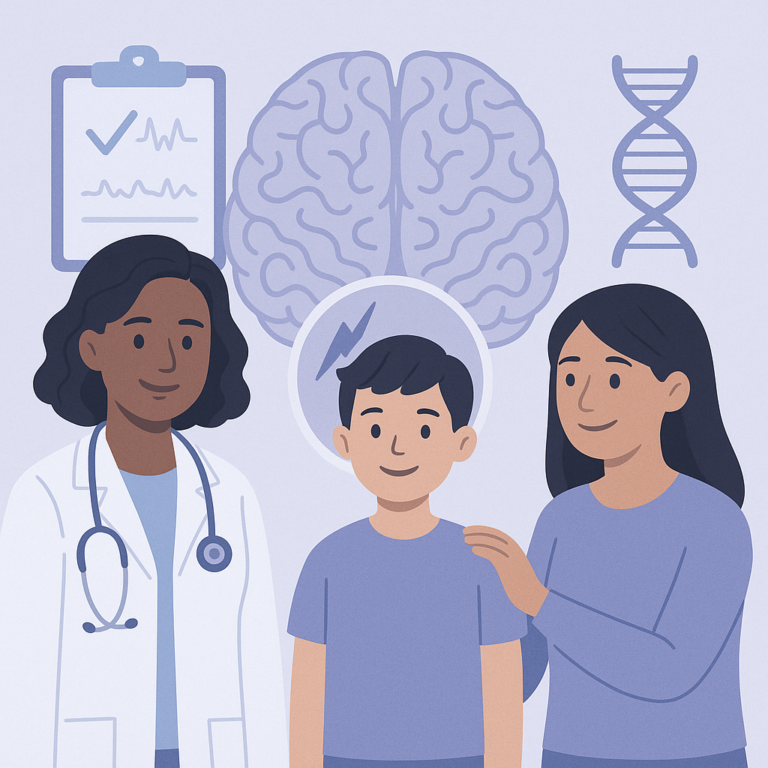
This study looked at epilepsy in children with PTEN Hamartoma Tumor Syndrome (PHTS), a genetic condition caused by a mutation in the PTEN gene.
Researchers studied the long-term safety of stopping antiseizure medications (ASMs) in newborns who had experienced acute provoked seizures.
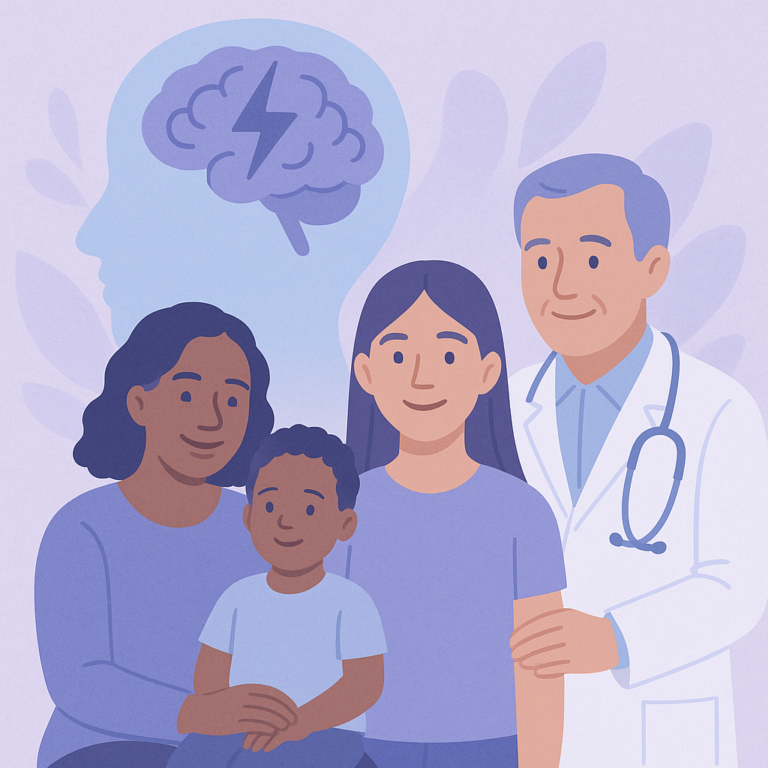
This study looked at how early clinical signs and EEG (brain wave) patterns relate to the outcomes of children with genetic epilepsies.
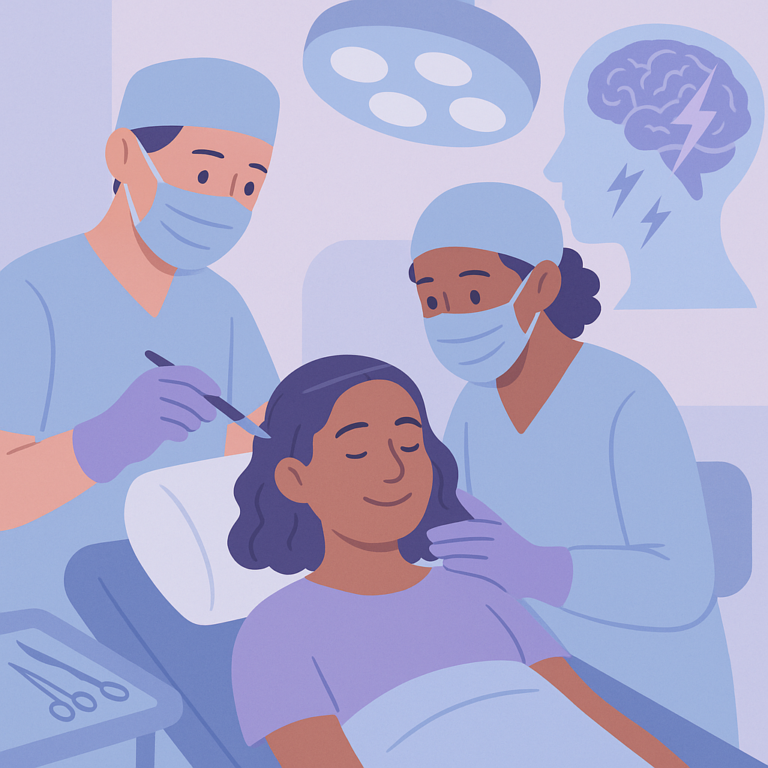
Researchers studied surgical treatments for a serious condition called super-refractory status epilepticus (SRSE), which is a prolonged seizure that lasts more than 24 hours and does not respond to standard treatments.

Researchers studied the effectiveness and safety of a medication called perampanel in patients with Lennox-Gastaut syndrome (LGS), a severe form of epilepsy that often starts in childhood.
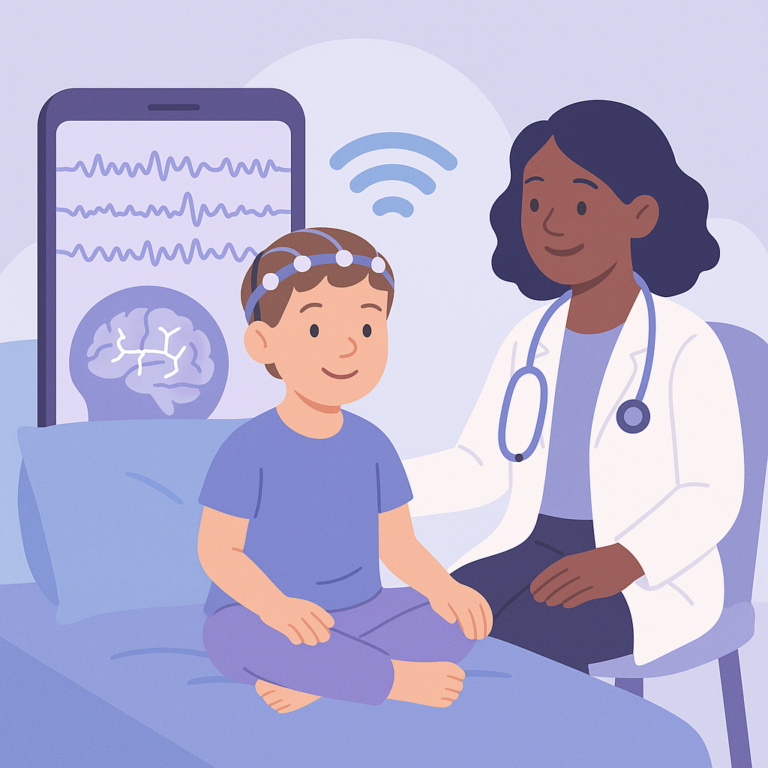
Researchers studied how to detect and classify different types of seizures in children using advanced computer technology called deep learning.
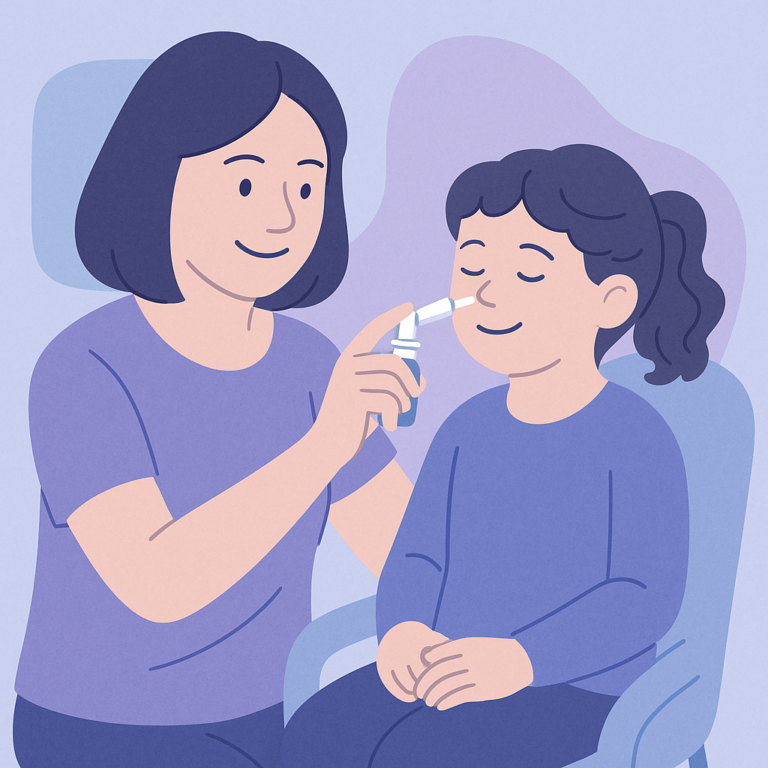
This study looked at the safety and effectiveness of diazepam nasal spray for people with Rett syndrome who experience seizure clusters.
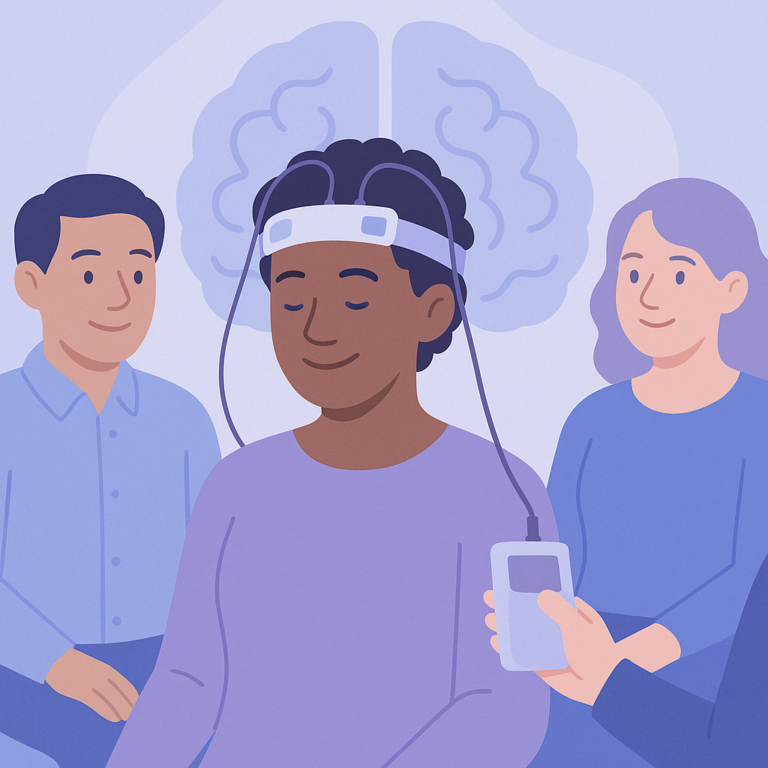
Researchers studied the effects of transcranial direct current stimulation (tDCS) on various psychiatric and neurological disorders, including epilepsy, major depressive disorder, schizophrenia, alcohol use disorder, stroke, and fibromyalgia.
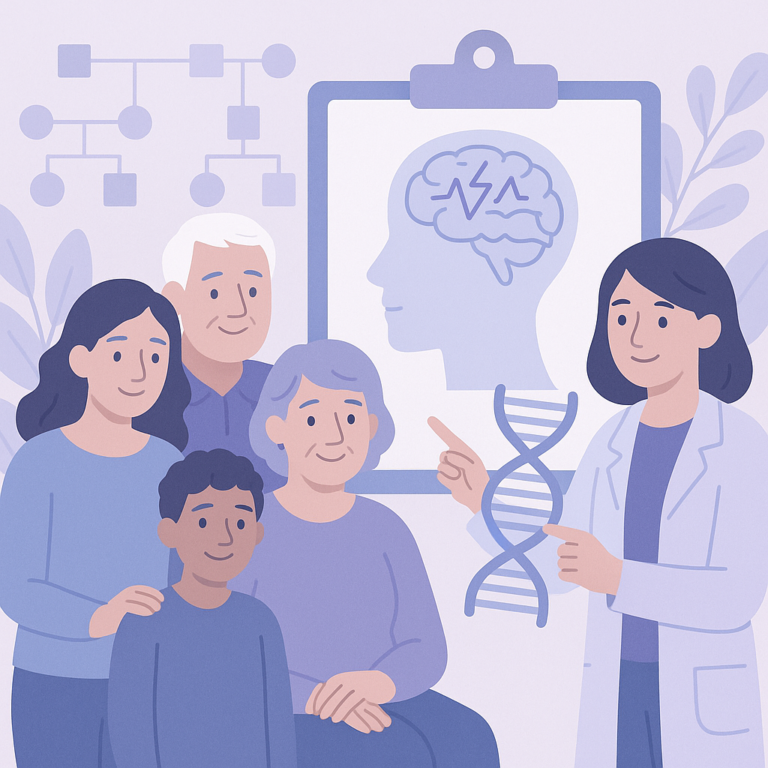
Researchers studied genetic testing for epilepsy in families, focusing on patients who have epilepsy and at least one close relative with the condition.