Sleep Problems Are Common In KCNB1-Related Disorders
This study looked at sleep problems in people with KCNB1-related disorders, a genetic condition that can involve epilepsy, developmental difficulties, or both.
This hub covers pediatric epilepsy in infants, kids, and teens, including diagnosis, syndromes, development, school plans, and safety. New studies translated into clear takeaways for parents.
Usually when two appropriate medications haven’t controlled seizures.
Many families benefit and it depends on seizure frequency, medications, and learning needs.
Often yes, with smart precautions. Ask your neurologist or epileptologist about your child’s specific risks.
Clusters, prolonged seizures, breathing trouble, new weakness, or major regression.

This study looked at sleep problems in people with KCNB1-related disorders, a genetic condition that can involve epilepsy, developmental difficulties, or both.

This study looked at whole-exome sequencing in 1,109 children with epilepsy at a single medical center.
This report describes one infant girl with very severe epilepsy and developmental problems.
This study looked at how often antipsychotic medicines were prescribed to children and teens with epilepsy in Uganda, and which medicines were used together.

This study looked at whether physical frailty was associated with a higher chance of developing epilepsy later on.
This study looked at children with Sturge-Weber syndrome (SWS) who had epilepsy surgery at Great Ormond Street Hospital between 1993 and 2022.

This study looked at hemispheric surgery in infants with early drug-resistant epilepsy caused by hemimegalencephaly (HME) or hemispheric cortical dysplasia (HCD).
This study looked at how common neurodevelopmental, psychiatric, and sleep conditions were, alone and in combination, among children with “active” epilepsy.
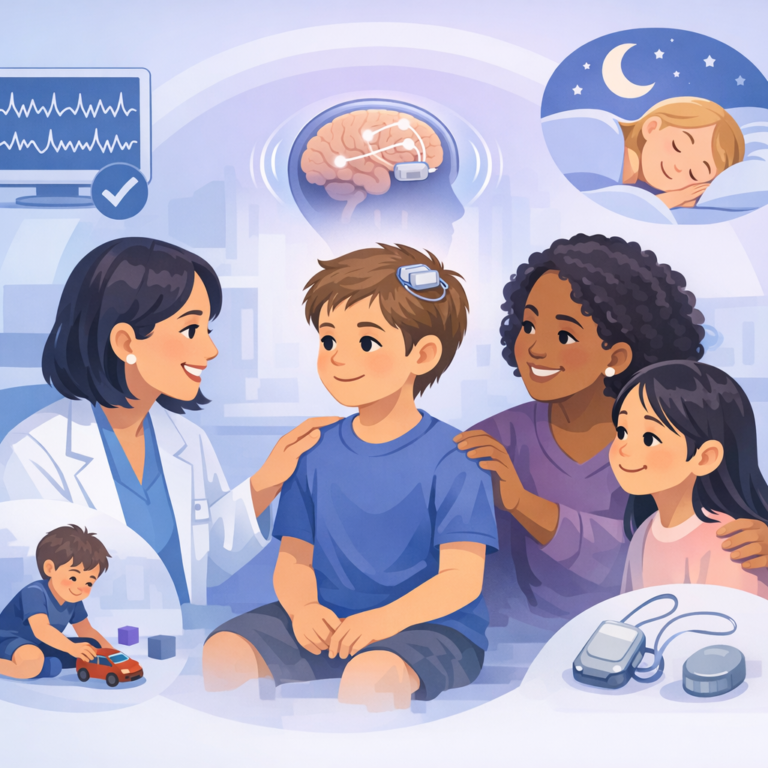
This study looked at outcomes of responsive neurostimulation (RNS) in people with Lennox-Gastaut syndrome (LGS), a severe epilepsy that is often hard to control with medicine.