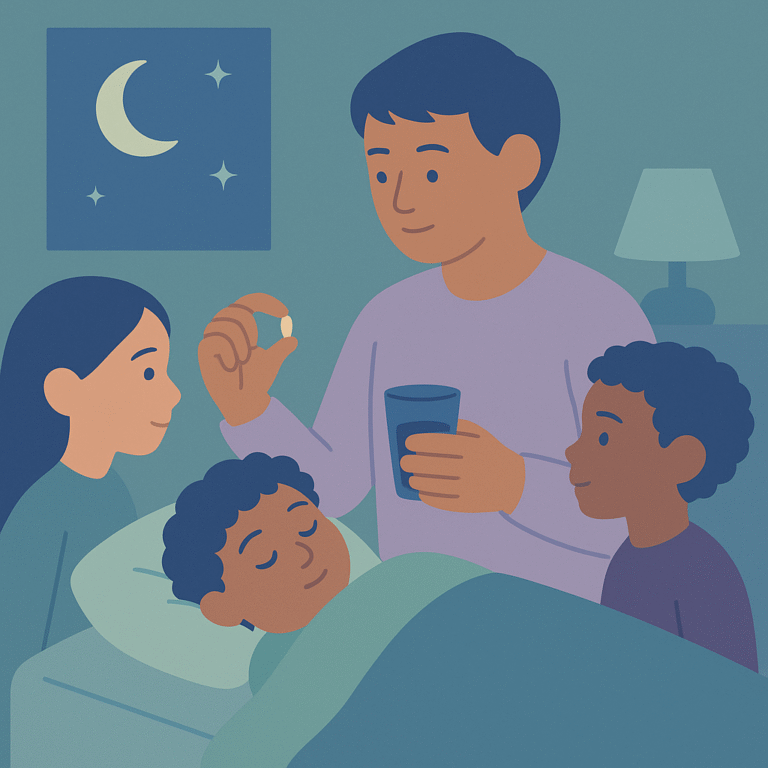
One Night Dose of Levetiracetam Works Well for Kids
Researchers studied a type of epilepsy called self-limited epilepsy with centrotemporal spikes (SeLECTS) in 192 children.
This hub covers pediatric epilepsy in infants, kids, and teens, including diagnosis, syndromes, development, school plans, and safety. New studies translated into clear takeaways for parents.
Usually when two appropriate medications haven’t controlled seizures.
Many families benefit and it depends on seizure frequency, medications, and learning needs.
Often yes, with smart precautions. Ask your neurologist or epileptologist about your child’s specific risks.
Clusters, prolonged seizures, breathing trouble, new weakness, or major regression.
Researchers studied a type of epilepsy called self-limited epilepsy with centrotemporal spikes (SeLECTS) in 192 children.
Researchers studied the impact of epilepsy on adolescents and young adults from 1990 to 2021 across different countries and regions.
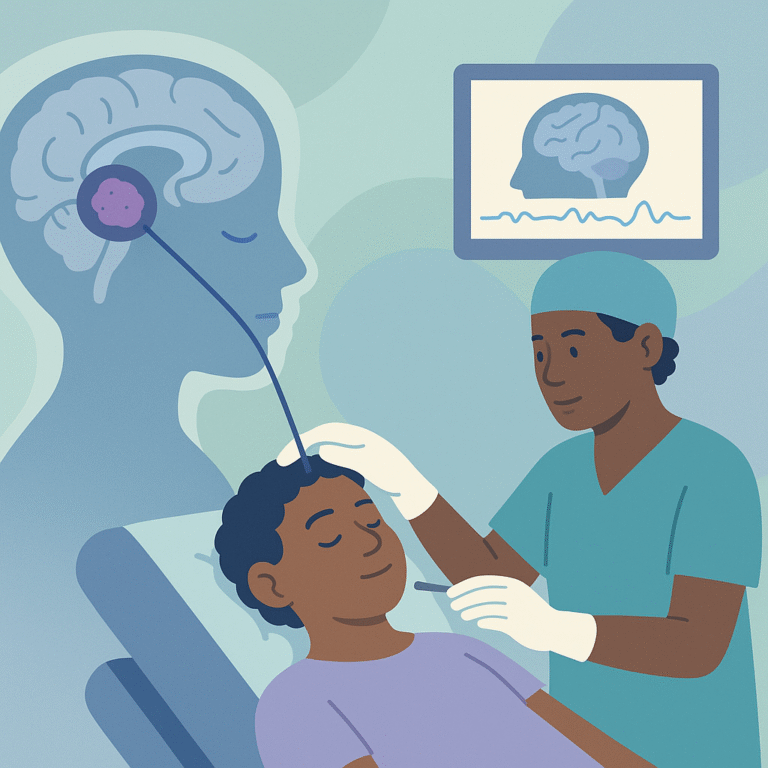
This study looked at the long-term results of a treatment called stereotactic radiofrequency thermocoagulation (SRT) for patients with hypothalamic hamartomas (HHs), which are brain growths that can cause difficult-to-control seizures.
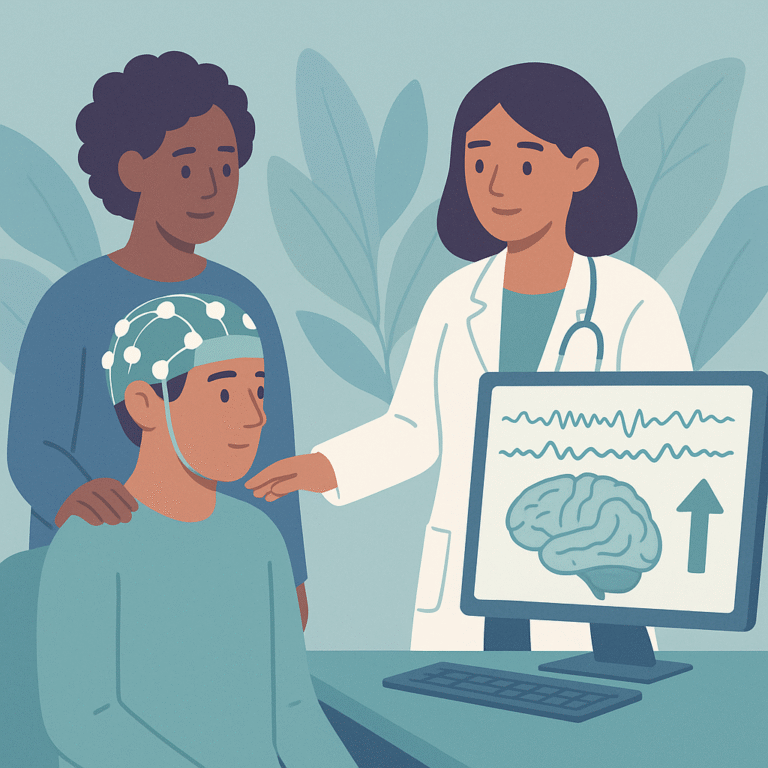
A recent study looked at the role of EEG (electroencephalogram) tests in patients who had their first unprovoked seizure.
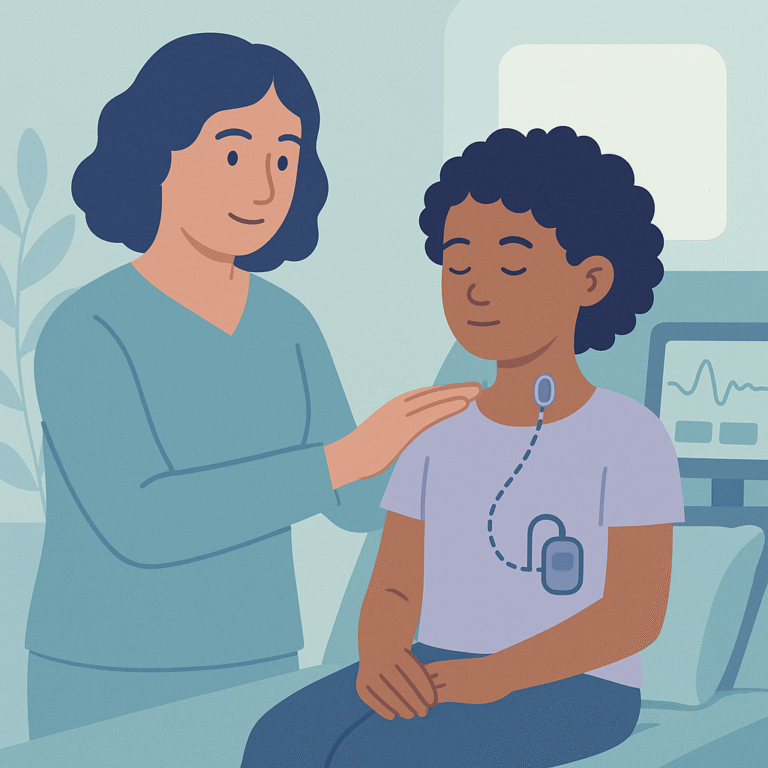
This study looked at how effective vagus nerve stimulation (VNS) is for children with drug-resistant epilepsy (DRE), which means their seizures do not respond well to medications.
A recent study looked at how social support and resilience affect the mental health and stigmatization of adolescents with epilepsy.
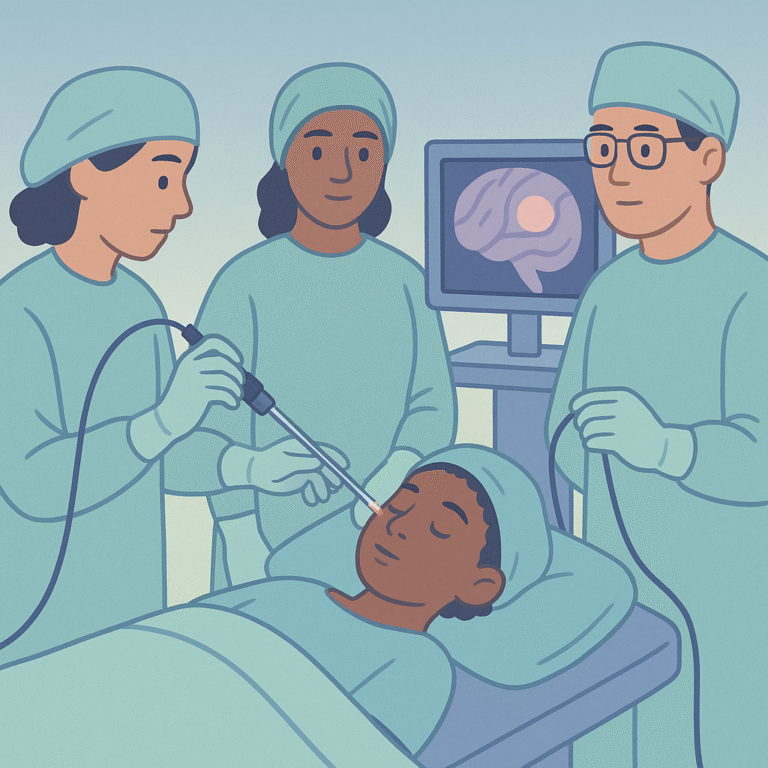
Researchers studied the effectiveness of a specific type of surgery called intraventricular endoscopic surgery for children with hypothalamic hamartomas (HH), which are brain growths that can cause epilepsy.
This study looked at children with infantile epileptic spasms syndrome (IESS), a condition where seizures called spasms occur in babies, usually before they are 2 years old.
This study focused on families from the Pashtun population in Pakistan who have cases of epilepsy that had not been thoroughly examined at the genetic level.