Real-Time Seizure Detection for Children Using Deep Learning
Researchers studied how to detect and classify different types of seizures in children using advanced computer technology called deep learning.
This hub covers pediatric epilepsy in infants, kids, and teens, including diagnosis, syndromes, development, school plans, and safety. New studies translated into clear takeaways for parents.
Usually when two appropriate medications haven’t controlled seizures.
Many families benefit and it depends on seizure frequency, medications, and learning needs.
Often yes, with smart precautions. Ask your neurologist or epileptologist about your child’s specific risks.
Clusters, prolonged seizures, breathing trouble, new weakness, or major regression.
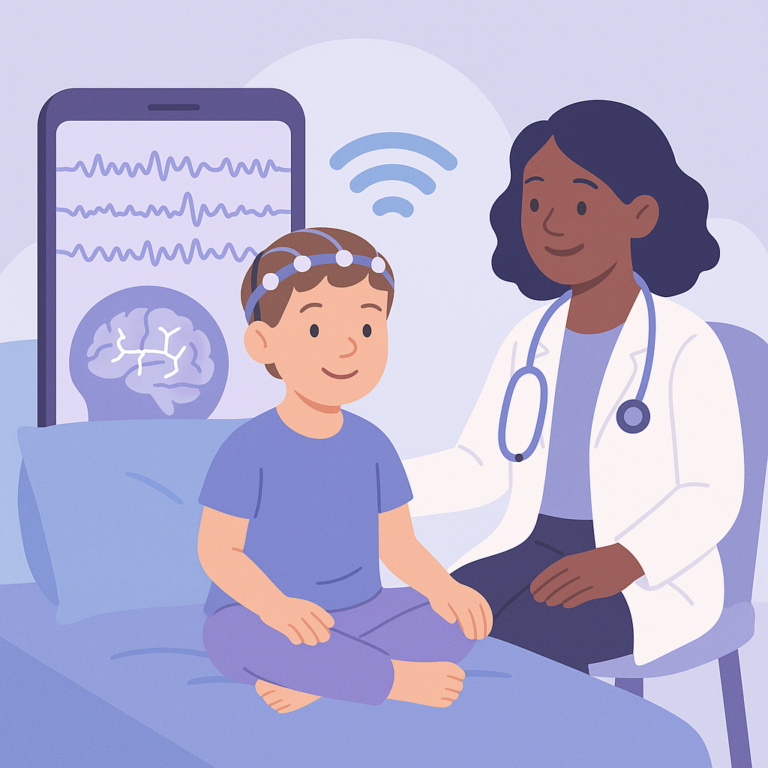
Researchers studied how to detect and classify different types of seizures in children using advanced computer technology called deep learning.

This study looked at the safety and effectiveness of diazepam nasal spray for people with Rett syndrome who experience seizure clusters.
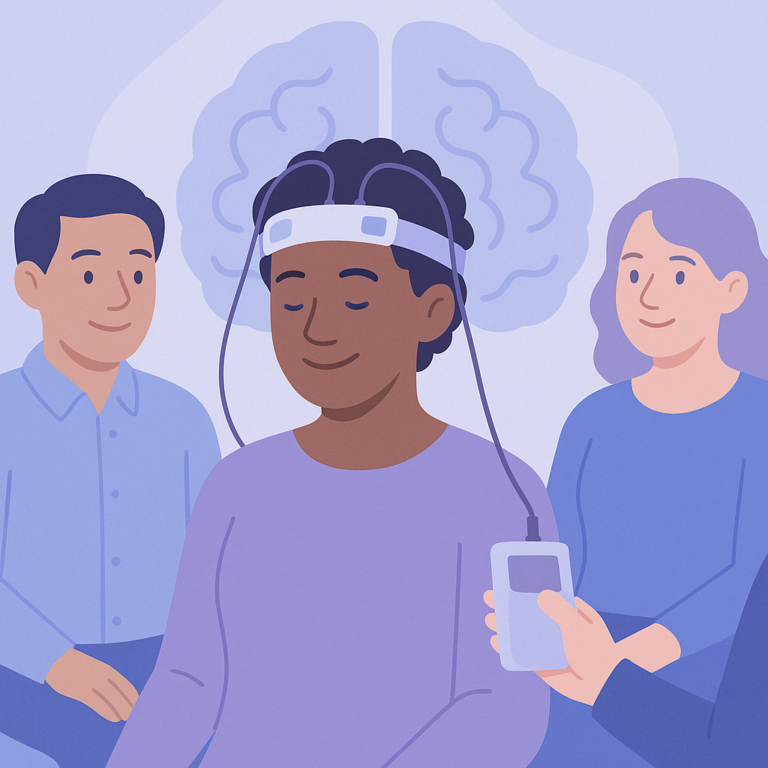
Researchers studied the effects of transcranial direct current stimulation (tDCS) on various psychiatric and neurological disorders, including epilepsy, major depressive disorder, schizophrenia, alcohol use disorder, stroke, and fibromyalgia.
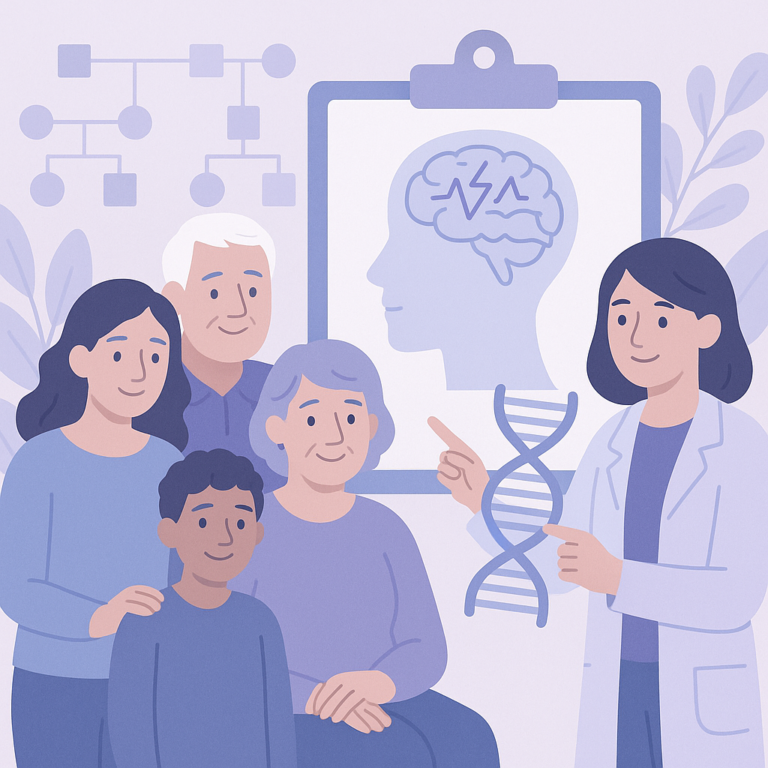
Researchers studied genetic testing for epilepsy in families, focusing on patients who have epilepsy and at least one close relative with the condition.
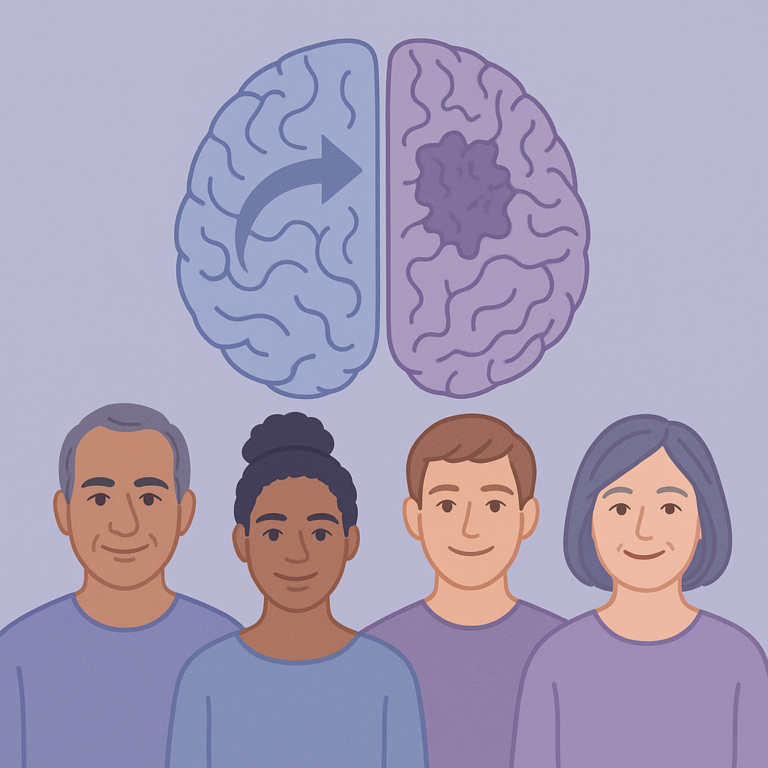
Researchers studied a specific type of brain condition called focal cortical dysplasia type II (FCDII), which is a common cause of epilepsy in children that does not respond to medication.

This study looked at how effective and safe continuous midazolam (MDZ) infusion is for treating acute repetitive seizures and status epilepticus in children outside of intensive care settings.
Researchers studied a 5-year-old girl with a severe form of epilepsy called drug-resistant epilepsy (DRE) caused by a condition known as hemimegalencephaly, where one side of the brain is abnormally large.

Researchers studied the potential risks of neurodevelopmental disorders (NDDs) in children whose fathers used valproate, a medication often prescribed for epilepsy, during the time they were producing sperm.
This study looked at how an educational program based on the Information-Motivation-Behavior Skills (IMB) model could help adolescents with epilepsy manage their condition better.