Early Surgery for Epilepsy Can Improve Outcomes for Kids
This study looked at the outcomes of surgery for children with epilepsy caused by a brain condition called focal cortical dysplasia (FCD).
This hub covers pediatric epilepsy in infants, kids, and teens, including diagnosis, syndromes, development, school plans, and safety. New studies translated into clear takeaways for parents.
Usually when two appropriate medications haven’t controlled seizures.
Many families benefit and it depends on seizure frequency, medications, and learning needs.
Often yes, with smart precautions. Ask your neurologist or epileptologist about your child’s specific risks.
Clusters, prolonged seizures, breathing trouble, new weakness, or major regression.
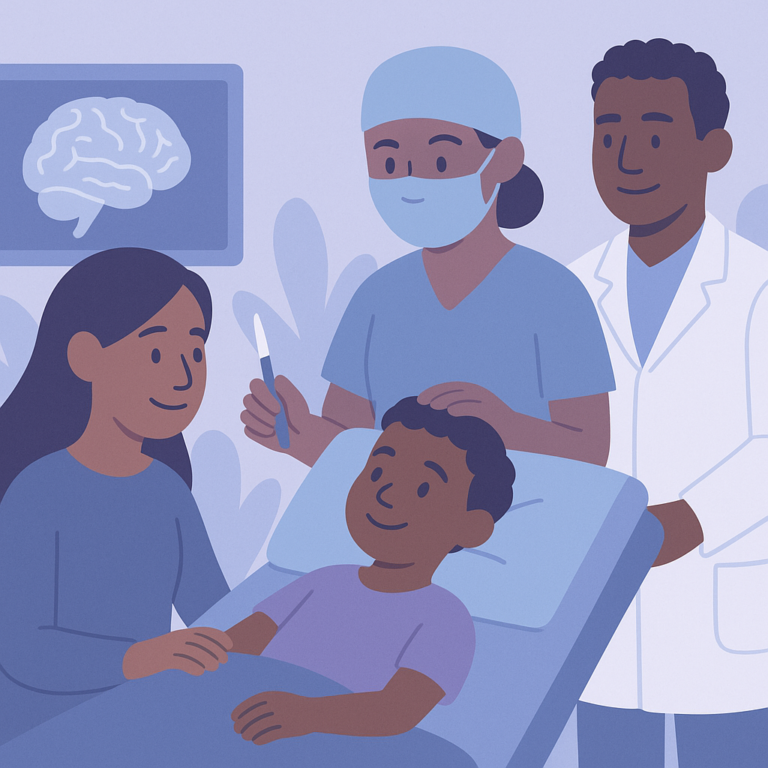
This study looked at the outcomes of surgery for children with epilepsy caused by a brain condition called focal cortical dysplasia (FCD).
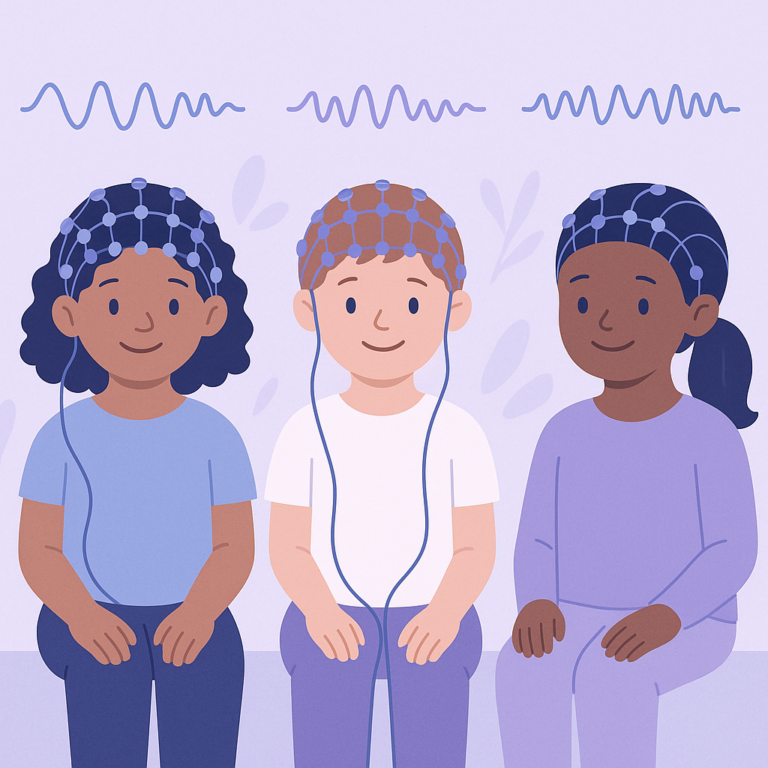
This study looked at children who have delays in language development to see how common certain brain activity patterns, called epileptiform discharges, are among them.
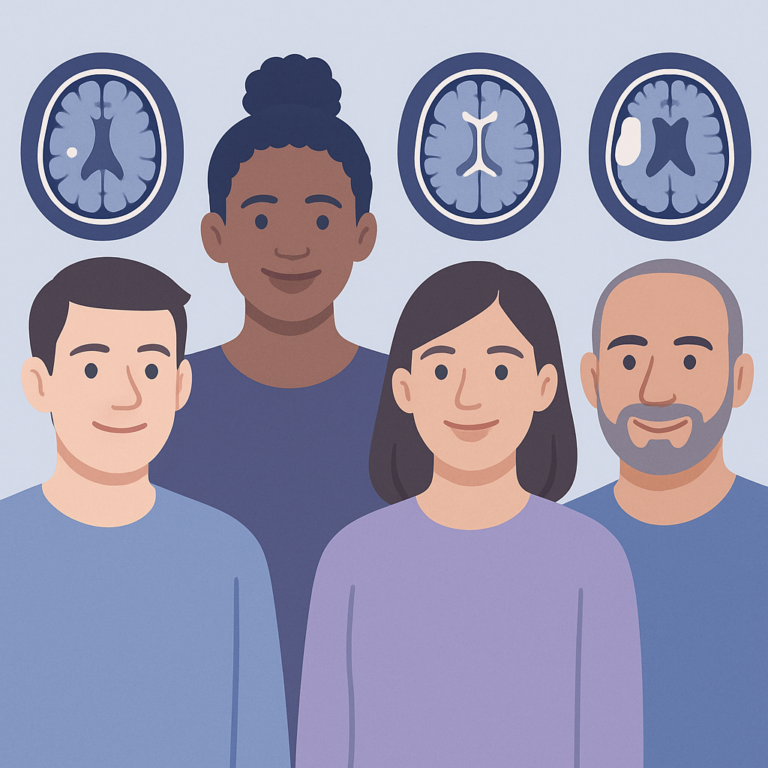
Researchers studied brain MRI scans of 139 children with specific genetic types of epilepsy linked to four genes: SCN1A, SCN2A, SCN3A, and SCN8A.
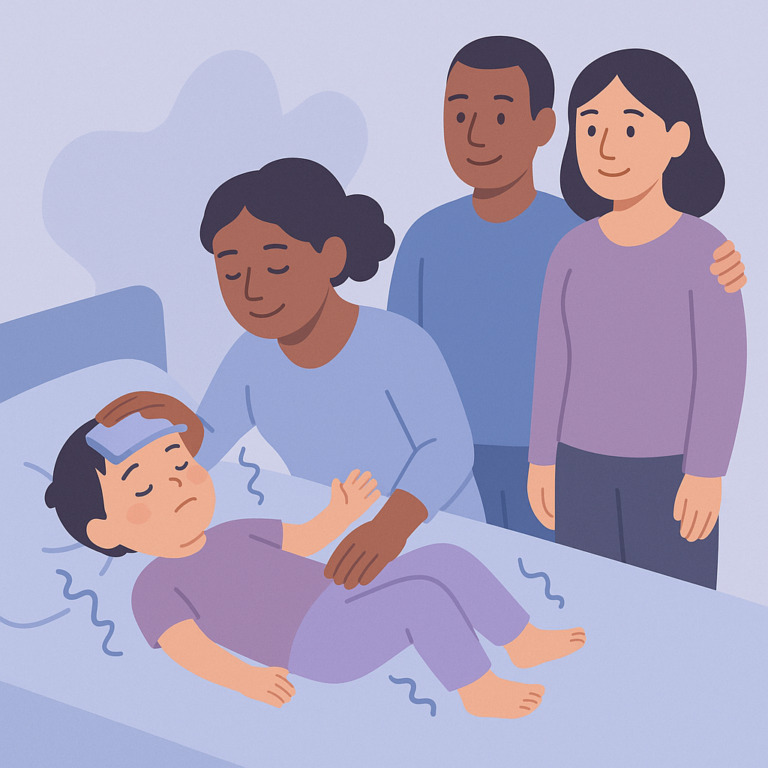
This study looked at febrile seizures (FSs) in young children, specifically those aged 6 months to 3 years, who were treated at a pediatric hospital in Shanghai between April 2021 and March 2023.
Researchers studied six children from South India who have a rare type of epilepsy called KCTD7-related progressive myoclonic epilepsy (PME).
Researchers studied children aged 9 to 14 years who have mild autism spectrum disorder (ASD), some of whom also have epilepsy (EP).
Researchers studied 19 children with STXBP1-encephalopathy, a rare genetic condition that causes severe epilepsy and developmental issues.
Researchers studied a rare genetic condition called 1p36 deletion syndrome in a newborn girl from Tunisia.
This study looked at how different factors affect the outcomes of epilepsy in children, particularly in India.