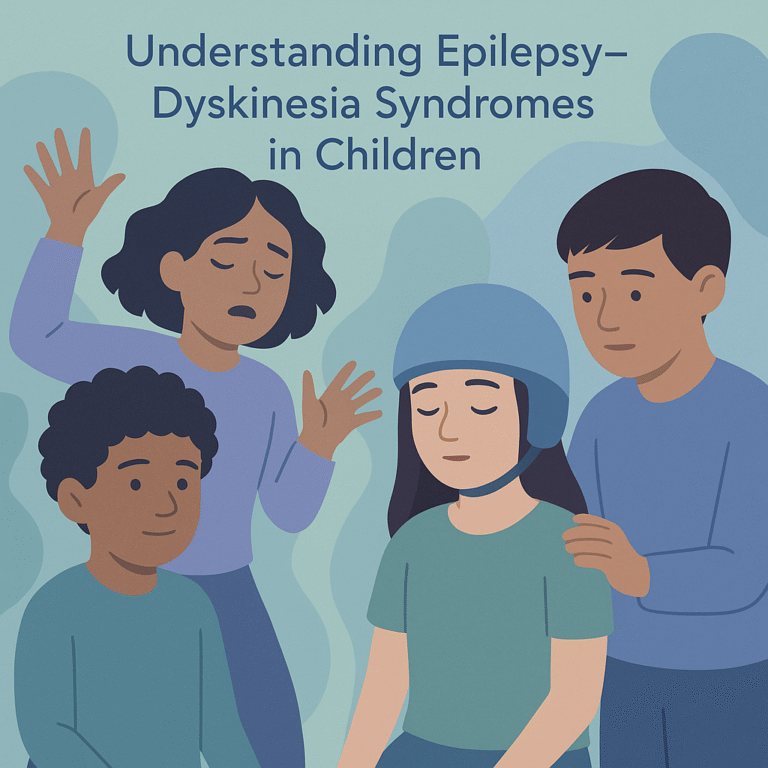
Understanding Epilepsy-Dyskinesia Syndromes in Children
This study looked at epilepsy-dyskinesia syndromes (EDS), which are conditions where people experience both epilepsy and movement disorders.

This hub covers pediatric epilepsy in infants, kids, and teens, including diagnosis, syndromes, development, school plans, and safety. New studies translated into clear takeaways for parents.
Usually when two appropriate medications haven’t controlled seizures.
Many families benefit and it depends on seizure frequency, medications, and learning needs.
Often yes, with smart precautions. Ask your neurologist or epileptologist about your child’s specific risks.
Clusters, prolonged seizures, breathing trouble, new weakness, or major regression.
This study looked at epilepsy-dyskinesia syndromes (EDS), which are conditions where people experience both epilepsy and movement disorders.
This study looked at how young people with epilepsy move from pediatric to adult care at a single medical center.
Researchers studied the relationship between genetic risk factors for a type of epilepsy called temporal lobe epilepsy with hippocampal sclerosis (TLE-HS) and brain structure in healthy children.
Researchers conducted a study to understand how children with neurological symptoms, particularly seizures, are treated in pediatric emergency departments at a hospital in France.
Researchers studied how well diazepam nasal spray works and its safety for young children with epilepsy, specifically those aged 2 to 5 years.
Researchers studied the effects of deep brain stimulation (DBS) on children with drug-resistant epilepsy, which means their seizures do not respond to standard medications.
Researchers conducted a study to explore how brain perfusion imaging, a technique that measures blood flow in the brain, can help predict whether children with focal lesional epilepsy will be free from seizures after surgery.
Researchers studied how naming abilities and the side of the brain where seizures occur affect bilingual children with epilepsy.
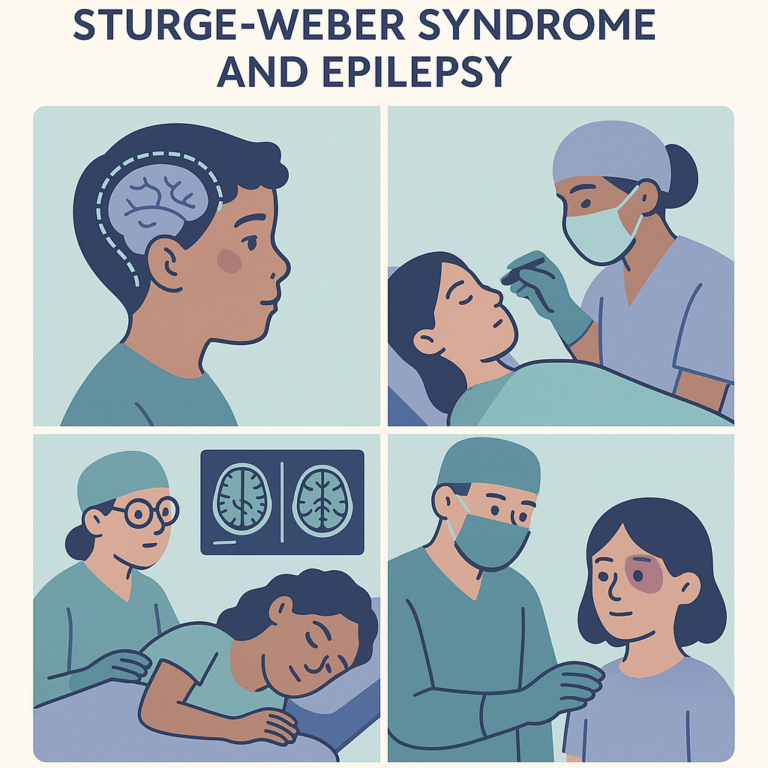
Researchers at Boston Children’s Hospital studied the effects of epilepsy surgery in children with Sturge-Weber syndrome, a condition that can cause seizures and other neurological issues.