First-Line Seizure Medications Work Similarly for Children
Researchers conducted a study to understand how effective first-line antiseizure medications (ASMs) are for children newly diagnosed with epilepsy.
This hub covers pediatric epilepsy in infants, kids, and teens, including diagnosis, syndromes, development, school plans, and safety. New studies translated into clear takeaways for parents.
Usually when two appropriate medications haven’t controlled seizures.
Many families benefit and it depends on seizure frequency, medications, and learning needs.
Often yes, with smart precautions. Ask your neurologist or epileptologist about your child’s specific risks.
Clusters, prolonged seizures, breathing trouble, new weakness, or major regression.

Researchers conducted a study to understand how effective first-line antiseizure medications (ASMs) are for children newly diagnosed with epilepsy.

Researchers conducted a study to examine the experiences and outcomes of pregnant individuals with epilepsy.

Researchers investigated the use of intravenous (i/v) levetiracetam (LEV) as a first-line treatment for patients experiencing non-convulsive status epilepticus (NCSE), a serious condition where seizures occur without noticeable convulsions.
Researchers conducted a study to compare the effectiveness and safety of two medications, levetiracetam and sodium valproate, in treating children aged 1 to 16 years who were experiencing refractory generalized convulsive status epilepticus.
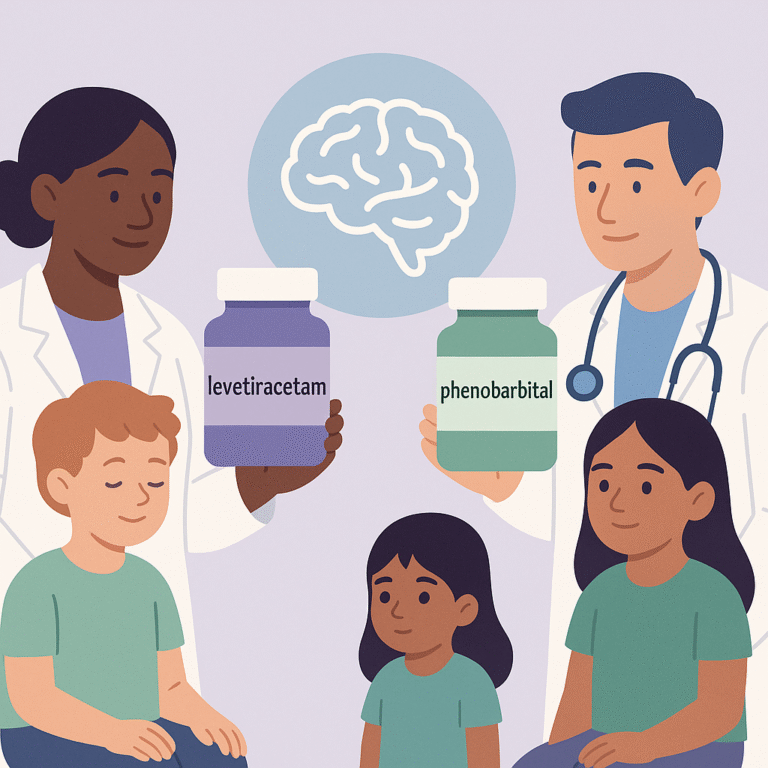
Researchers at Yangon Children’s Hospital studied the effectiveness of two medications, levetiracetam and phenobarbital, for treating prolonged seizures in children who did not respond to benzodiazepines.
Researchers conducted a study to analyze trends in pediatric epilepsy treatment research from 2005 to 2025.
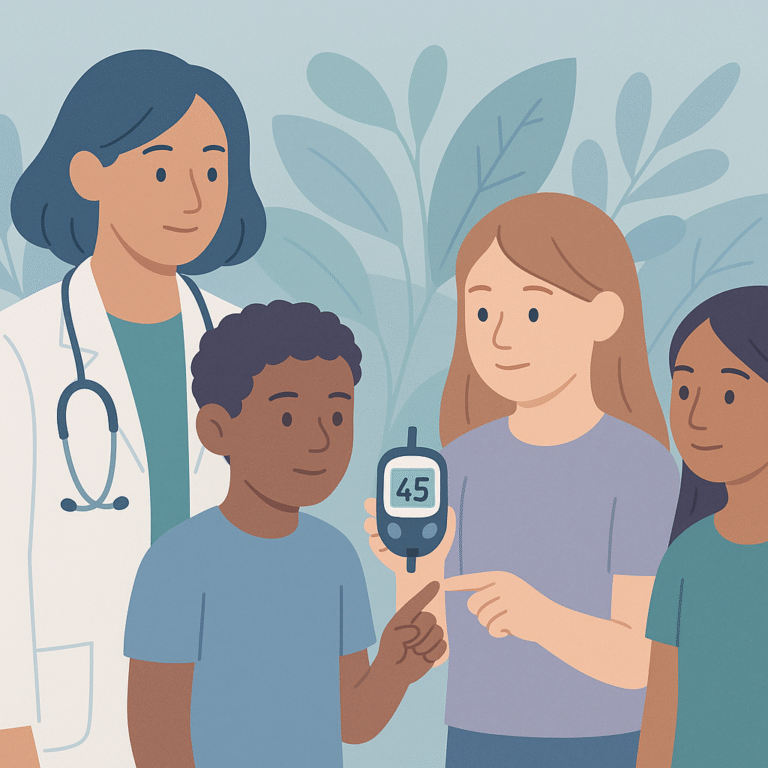
Researchers studied a 12-year-old boy with a history of seizures and other health issues, including abnormal fat distribution and intellectual disability.

Researchers studied the use of a new form of medication called diazepam buccal film to help manage seizures in children with epilepsy.
Researchers conducted a study to explore how children with epilepsy feel about their ability to manage seizures and how this affects their quality of life and experiences of stigma.