Identifying Causes of Focal Seizures in Children
This study focused on children aged 1 month to 18 years who experienced new-onset focal seizures, which are seizures that start in one area of the brain.
This hub covers pediatric epilepsy in infants, kids, and teens, including diagnosis, syndromes, development, school plans, and safety. New studies translated into clear takeaways for parents.
Usually when two appropriate medications haven’t controlled seizures.
Many families benefit and it depends on seizure frequency, medications, and learning needs.
Often yes, with smart precautions. Ask your neurologist or epileptologist about your child’s specific risks.
Clusters, prolonged seizures, breathing trouble, new weakness, or major regression.

This study focused on children aged 1 month to 18 years who experienced new-onset focal seizures, which are seizures that start in one area of the brain.

Researchers studied the effects of valproate (VPA), a medication used to treat epilepsy, on pregnant women and their babies.
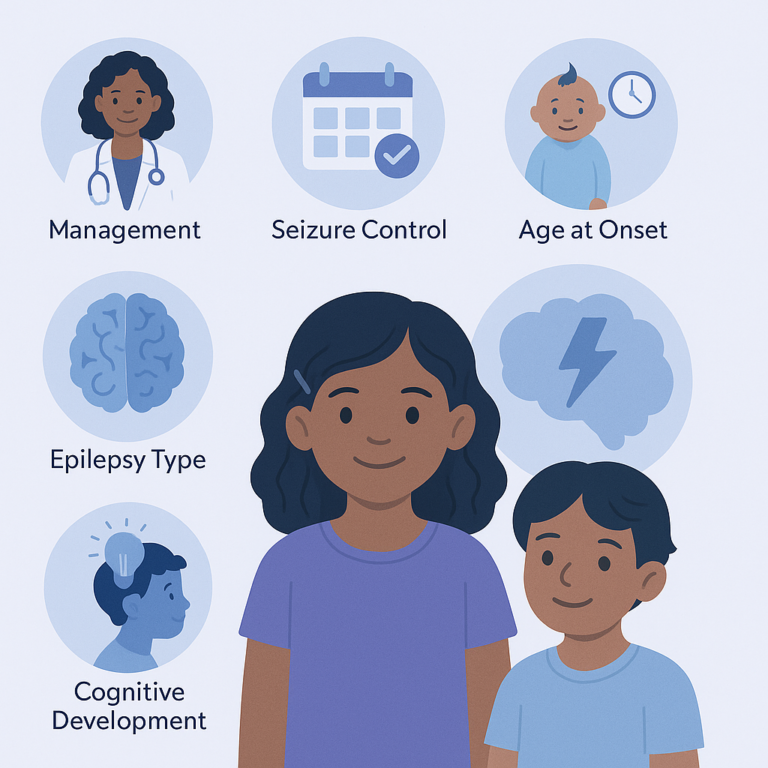
Researchers studied how different factors influence the outcomes of epilepsy in children.

This study looked at how antiseizure medications (ASMs) affect bone health in children aged 5 to 15 who had just been diagnosed with epilepsy and had not yet started treatment.
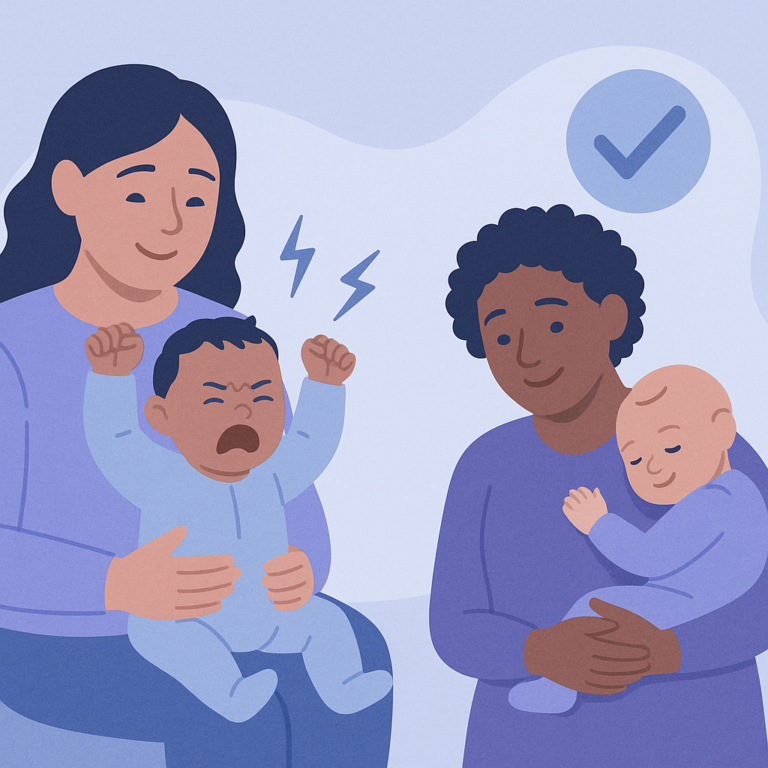
Researchers in Thailand studied a group of 191 infants diagnosed with Infantile Epileptic Spasms Syndrome (IESS) to understand the causes of this condition and how well the medication vigabatrin (VGB) works as a first treatment.

This study looked at how well children and adults with drug-resistant temporal lobe epilepsy (TLE) do after surgery to control their seizures.

This study looked at the outcomes of surgeries for vagus nerve stimulation (VNS) in children with drug-resistant epilepsy.

Researchers studied a group of 60 patients with epilepsy characterized by myoclonic-atonic seizures, a type of seizure that can cause sudden falls and loss of muscle control.

This study focused on understanding brain changes in older adults with late-onset unexplained epilepsy (LOUE), which is epilepsy that starts after age 55 without a clear cause.