Gene Testing Improves Diagnosis of Pediatric Epilepsy
This study looked at how effective targeted gene panel testing is for diagnosing epilepsy in children.
This hub covers pediatric epilepsy in infants, kids, and teens, including diagnosis, syndromes, development, school plans, and safety. New studies translated into clear takeaways for parents.
Usually when two appropriate medications haven’t controlled seizures.
Many families benefit and it depends on seizure frequency, medications, and learning needs.
Often yes, with smart precautions. Ask your neurologist or epileptologist about your child’s specific risks.
Clusters, prolonged seizures, breathing trouble, new weakness, or major regression.

This study looked at how effective targeted gene panel testing is for diagnosing epilepsy in children.
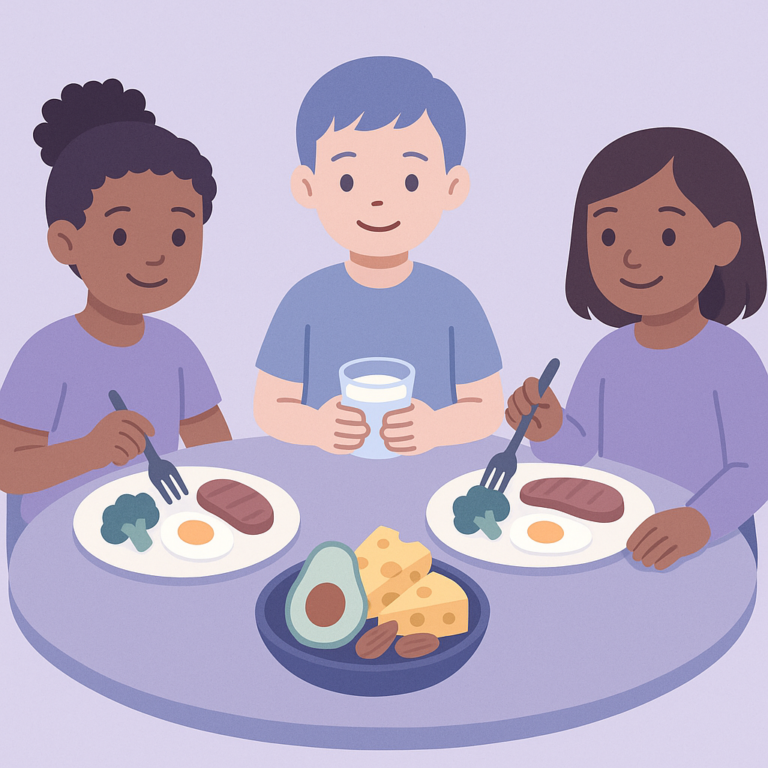
This study looked at how well the ketogenic diet works for children with GLUT1 deficiency syndrome (GLUT1DS), a genetic condition that can cause seizures and other neurological problems.
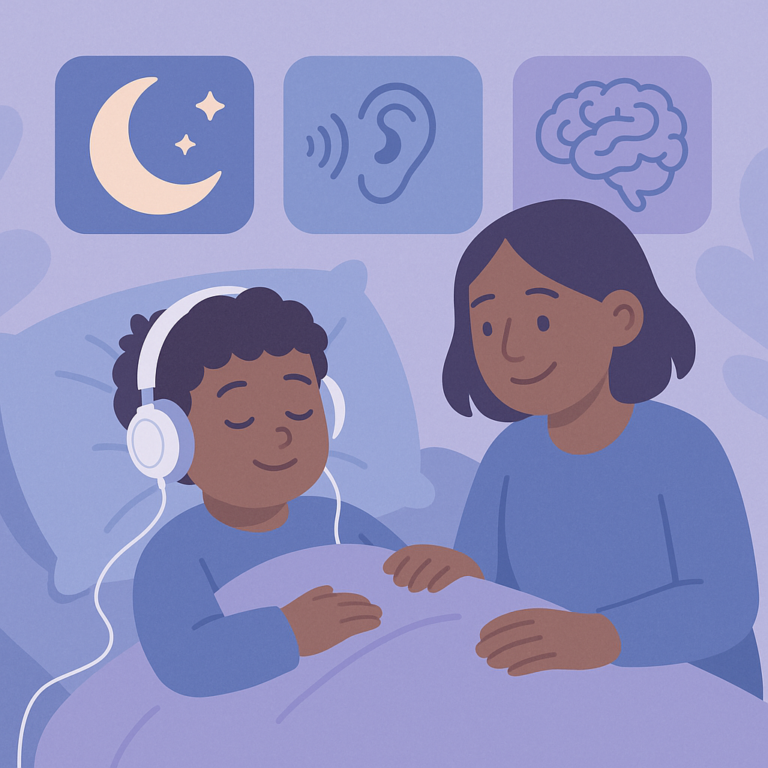
Researchers studied a new method to improve sleep in children with epilepsy, focusing on 27 kids who were undergoing monitoring for their seizures.
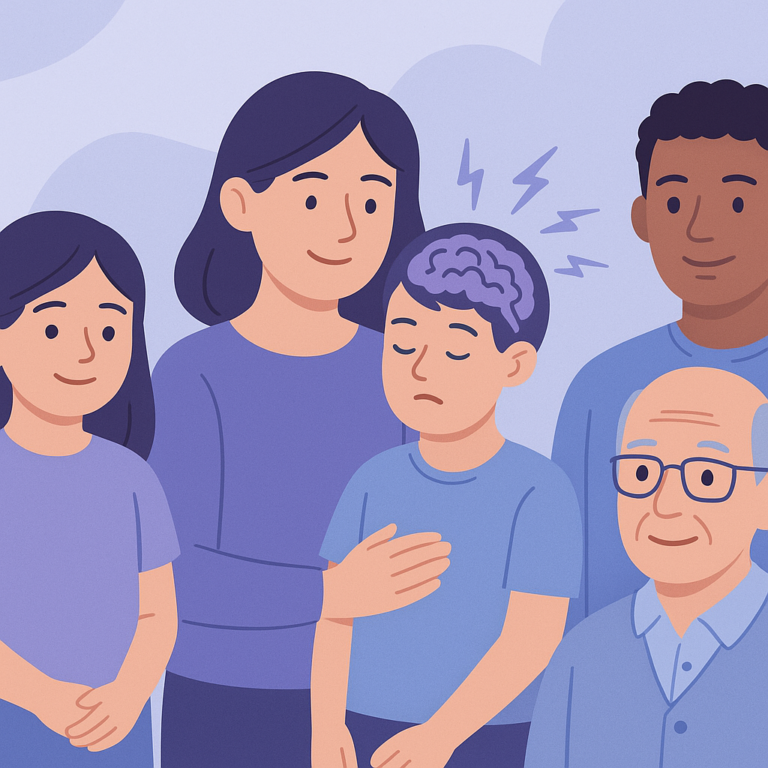
This study looked at epilepsy in patients with 8p-related disorders, which are genetic conditions linked to changes on the short arm of chromosome 8.
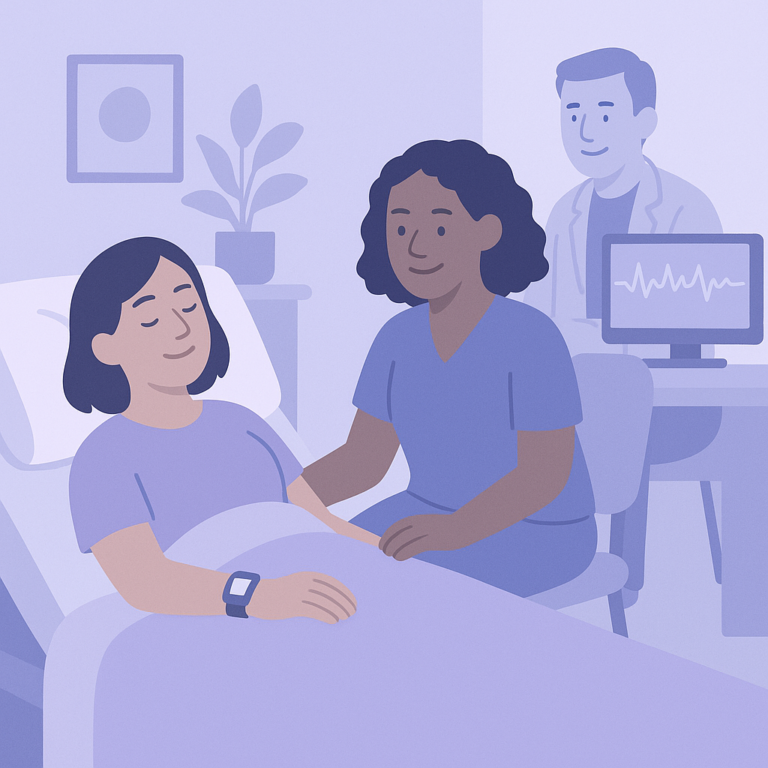
This study looked at how well a wrist-worn device called Embrace2 can detect seizures in patients at an epilepsy monitoring unit (EMU).
A study was conducted to evaluate the safety and effectiveness of vigabatrin, a medication for epilepsy, in children with Lennox-Gastaut syndrome (LGS).

Researchers studied the effects of an online sleep intervention called COSI for parents of children with epilepsy who also had sleep problems.
Researchers studied the effects of a medication called memantine on 34 individuals with specific genetic changes known as GRIN gain-of-function variants.
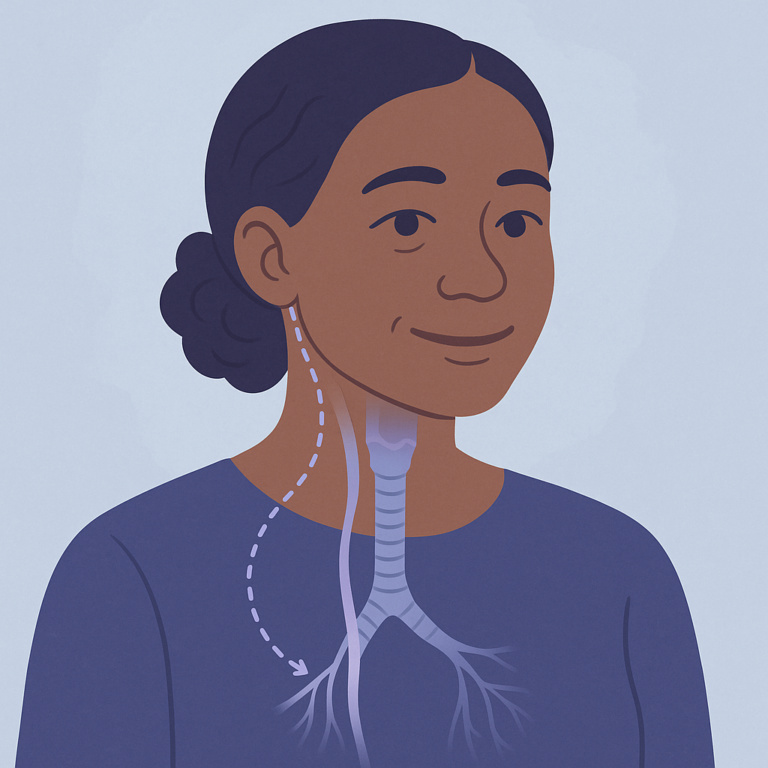
This study looked at a rare complication called Horner syndrome that can occur after vagus nerve stimulation (VNS) surgery, which is a treatment for epilepsy that doesn’t respond to medication.