Daily Body Rhythm Changes Seen In Teens With JME
This pilot study looked at whether circadian rest-activity rhythms and sleep parameters differ in adolescents with juvenile myoclonic epilepsy (JME) compared with healthy teens.
This hub covers pediatric epilepsy in infants, kids, and teens, including diagnosis, syndromes, development, school plans, and safety. New studies translated into clear takeaways for parents.
Usually when two appropriate medications haven’t controlled seizures.
Many families benefit and it depends on seizure frequency, medications, and learning needs.
Often yes, with smart precautions. Ask your neurologist or epileptologist about your child’s specific risks.
Clusters, prolonged seizures, breathing trouble, new weakness, or major regression.
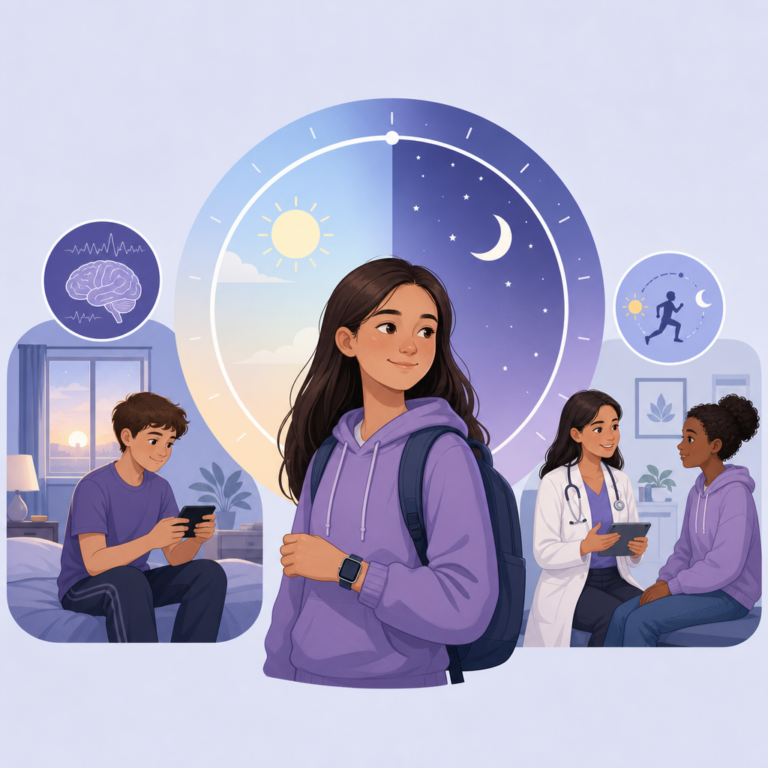
This pilot study looked at whether circadian rest-activity rhythms and sleep parameters differ in adolescents with juvenile myoclonic epilepsy (JME) compared with healthy teens.
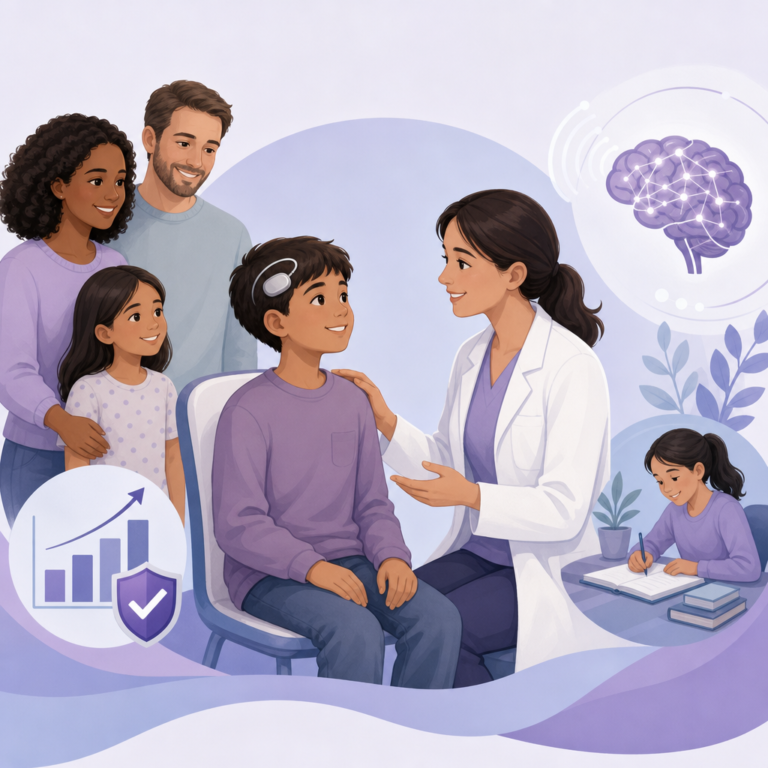
This study combined results from 39 published studies on responsive neurostimulation (RNS) in children and teens age 18 or younger with drug-resistant epilepsy.
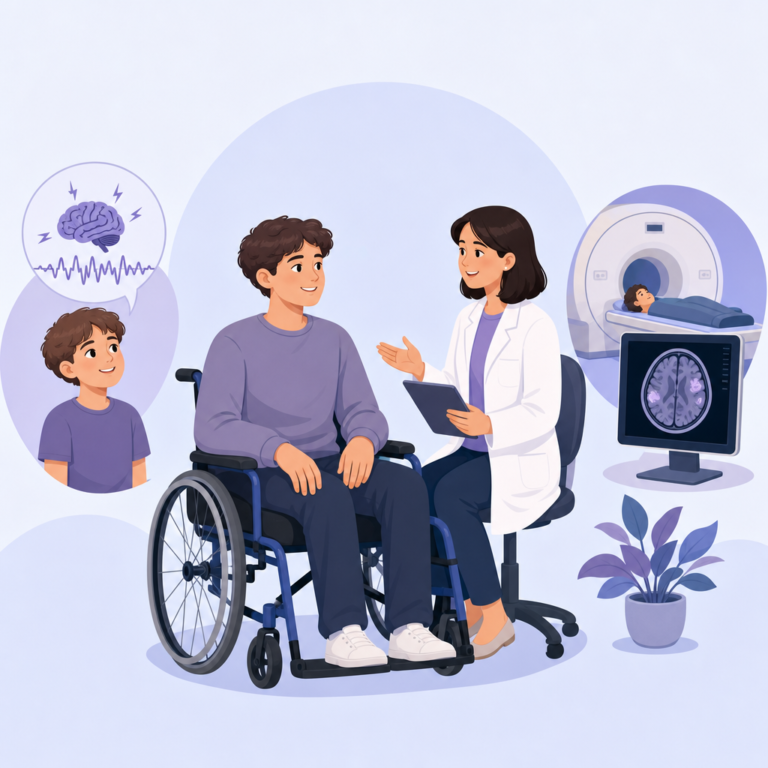
This study looked at adults with tuberous sclerosis complex (TSC) who had a history of seizures and were followed at one center in Paris from 2005 to 2021.
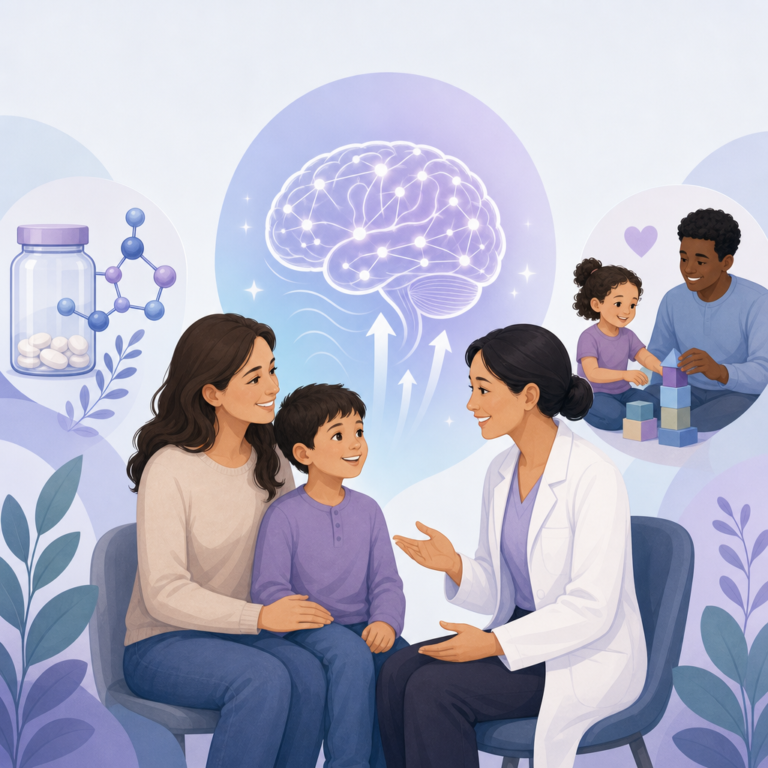
Researchers looked at early real-world use of phenylbutyrate in children with 2 rare developmental and epileptic encephalopathies: STXBP1-encephalopathy and SLC6A1-encephalopathy.
This paper describes the protocol, regulatory structure, and supportive preliminary data for two ongoing multicenter prospective natural history studies in people with STXBP1-related disorder and SYNGAP1-related disorder.
This study looked at whether children had a higher chance of neurodevelopmental disorders if their father used valproate during the 3 months before conception, which is the time period used in the study to represent spermatogenesis.

This study looked at how often genetic testing was used in people being evaluated for epilepsy surgery at one tertiary epilepsy center in Finland over about 10 years.

This study did not follow real children in a trial.
This study followed children in Zambia who had severe malaria with neurologic symptoms.