Hemispherotomy Helps Children with Drug-Resistant Epilepsy in Panama
A study was conducted to evaluate the outcomes of a surgical procedure called hemispherotomy in 23 children with drug-resistant epilepsy (DRE) in Panama.

A study was conducted to evaluate the outcomes of a surgical procedure called hemispherotomy in 23 children with drug-resistant epilepsy (DRE) in Panama.

This study focuses on the safety and effectiveness of using direct oral anticoagulants (DOACs) alongside antiseizure medications (ASMs) in patients aged 8 years and older.
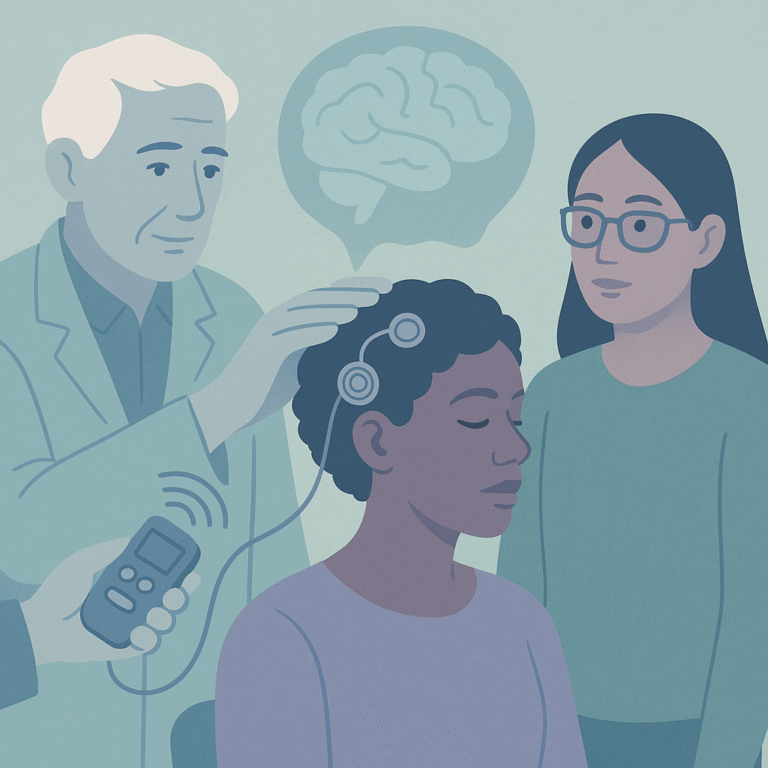
This study looked at the effects of responsive neurostimulation (RNS) on the brain function of patients with drug-resistant epilepsy (DRE).

This study looked at how different antiseizure medications (ASMs) affect cholesterol levels and weight in people with epilepsy.

Researchers studied a type of epilepsy called self-limited epilepsy with centrotemporal spikes (SeLECTS) in 192 children.
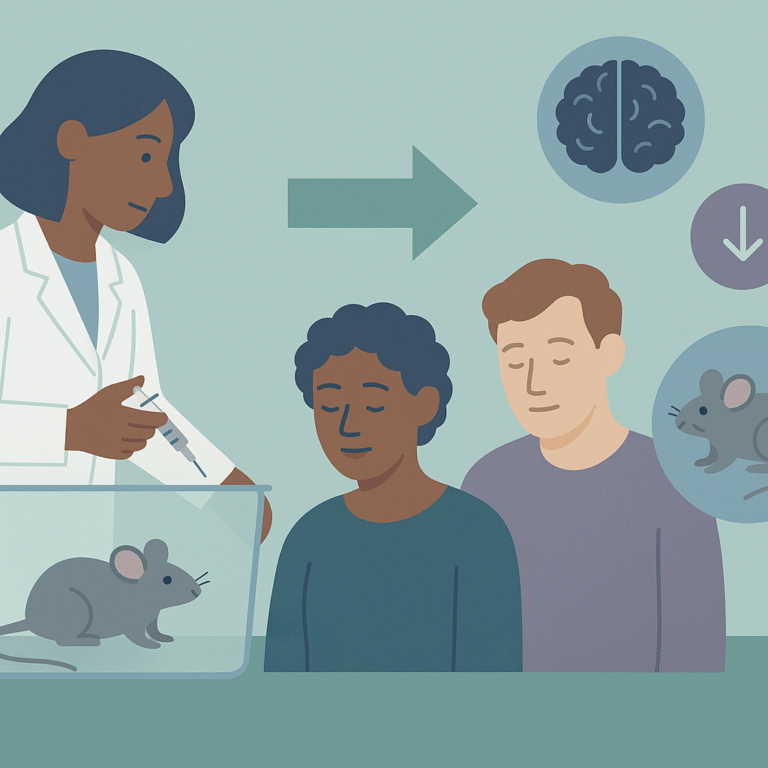
This study looked at how blocking a specific enzyme called kynurenine-3-monooxygenase (KMO) affects seizures, depression-like behaviors, and thinking abilities in mice with epilepsy.
Researchers studied the impact of epilepsy on adolescents and young adults from 1990 to 2021 across different countries and regions.
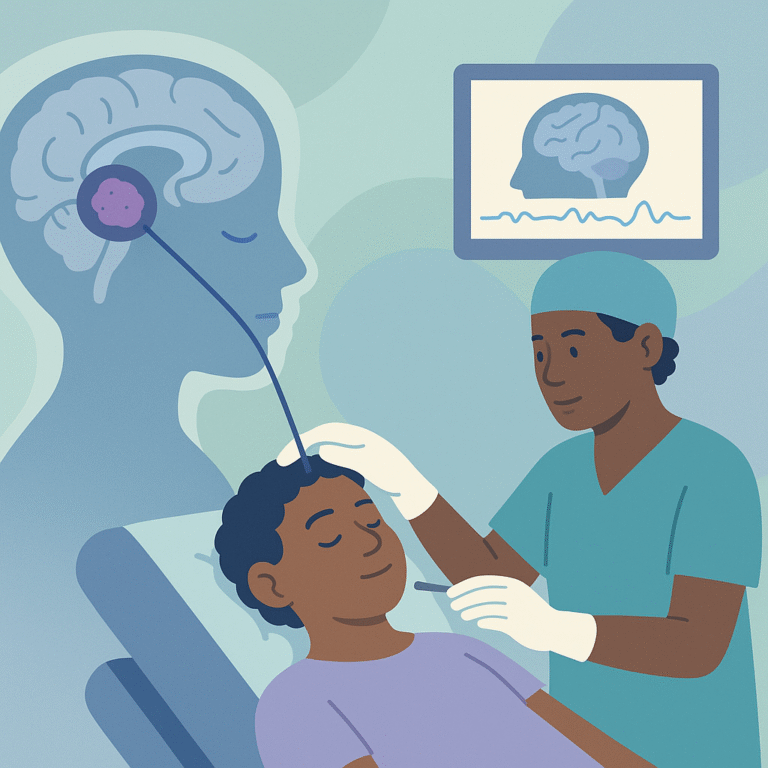
This study looked at the long-term results of a treatment called stereotactic radiofrequency thermocoagulation (SRT) for patients with hypothalamic hamartomas (HHs), which are brain growths that can cause difficult-to-control seizures.
Researchers studied a type of beneficial bacteria called Akkermansia muciniphila (A.