Extra Gene Findings May Change Care In TSC
Researchers looked for extra genetic changes, beyond the usual TSC1 and TSC2 changes, in people who already had tuberous sclerosis complex (TSC).

Researchers looked for extra genetic changes, beyond the usual TSC1 and TSC2 changes, in people who already had tuberous sclerosis complex (TSC).

This study combined results from 4 randomized, double-blind, placebo-controlled trials of perampanel for people with refractory partial-onset seizures.

This report looked at an experimental gene-targeting treatment in two 2-year-old girls with a very severe form of KCNT1-related epileptic encephalopathy called epilepsy of infancy with migrating focal seizures.
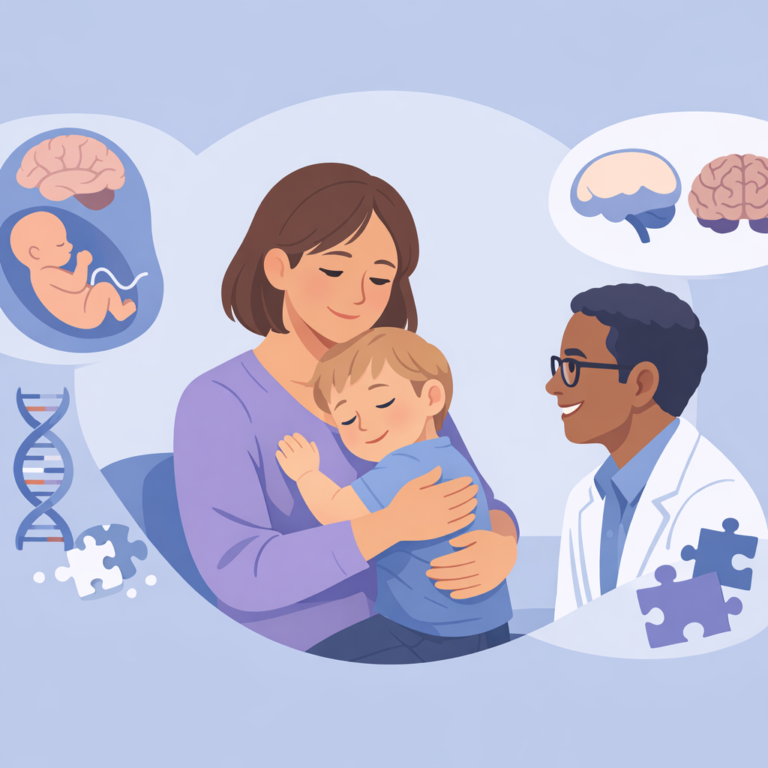
This paper was a systematic literature review about Miller-Dieker syndrome (MDS), a rare neurodevelopmental disorder.

This paper was a systematic review, which means the authors gathered and summarized earlier studies.
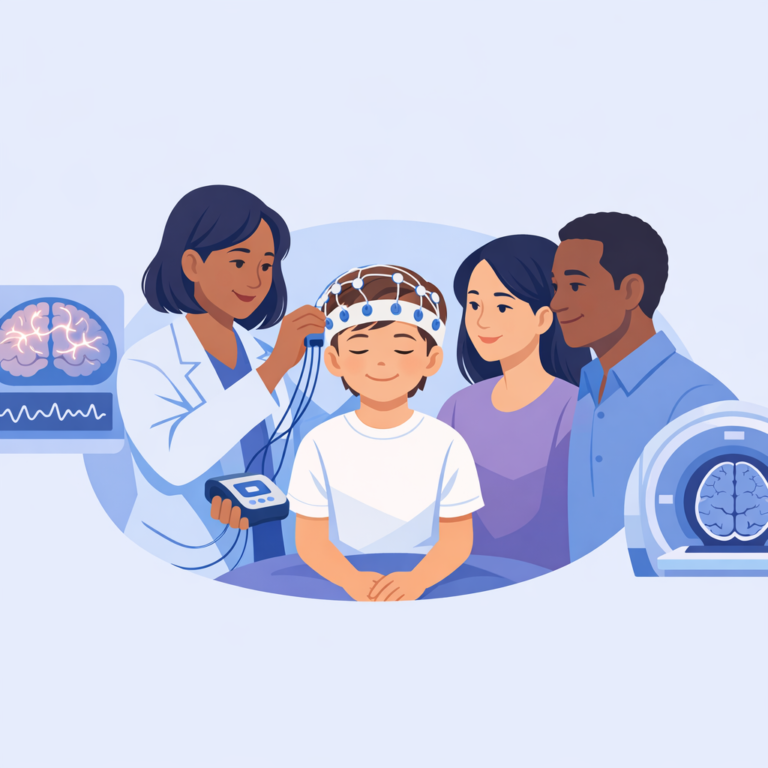
This study looked at seizures triggered by electrical stimulation during stereo-EEG (SEEG) in children being evaluated for epilepsy surgery.

This was a clinical practice guideline, not a single experiment.
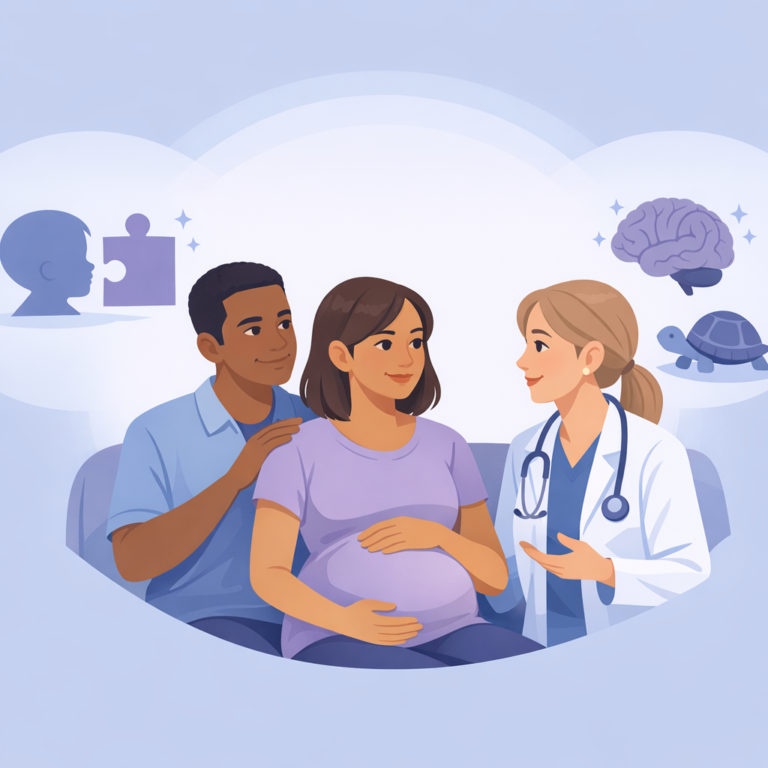
This paper was a systematic review, which means the authors gathered and assessed results from earlier studies rather than doing a new experiment.

This paper reviewed recent research on depression and anxiety in adults with epilepsy.