Youth and Parents Share Different Views on Epilepsy Treatment Outcomes
This study looked at how young people with epilepsy and their parents view their quality of life after different treatments: surgery or medical therapy.
This study looked at how young people with epilepsy and their parents view their quality of life after different treatments: surgery or medical therapy.
Researchers studied the unique challenges faced by women with epilepsy (WWE) throughout different stages of their lives.
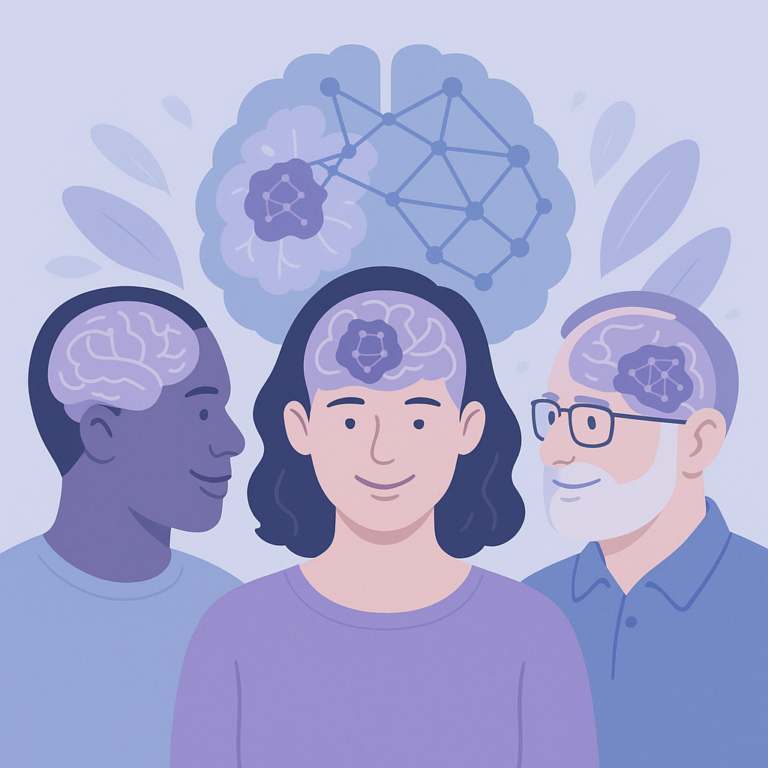
Researchers studied how brain networks are affected in people with nonlesional focal epilepsy, which is a type of epilepsy that doesn’t show visible brain damage on scans.
This study looked at children with drug-resistant epilepsy (DRE) who had surgery to stop their seizures.
This study focused on understanding lissencephaly (LIS), a brain condition that affects how the brain develops and can lead to serious developmental issues.
This study looked at adults who experienced a first episode of status epilepticus (SE), a serious condition where seizures last too long or happen back-to-back.
This study looked at the health-related quality of life (HRQOL) in children with epilepsy in Addis Ababa, Ethiopia.
Researchers studied the clinical and genetic features of intellectual disability in 959 children at Oulu University Hospital in Finland over five years, from 2017 to 2021.
Researchers studied a rare condition called PIGK-related GPI biosynthesis disorder in a 15-month-old girl.