Maternal Diabetes Linked to Higher Epilepsy Risk in Kids
Researchers studied the connection between maternal diabetes and the risk of epilepsy in children.

Researchers studied the connection between maternal diabetes and the risk of epilepsy in children.

Researchers studied Dravet syndrome (DS), a severe form of epilepsy that begins in infancy and is often resistant to treatment.

Researchers studied the effects of ketogenic diets (KDs) on people with various health conditions, including epilepsy.

This study looked at the long-term effects of infantile epileptic spasms syndrome (IESS) in children in Korea.

Researchers studied the effects of transcutaneous auricular vagus nerve stimulation (taVNS) on cognitive deficits in people with neuropsychiatric disorders, including epilepsy, depression, and headaches.

A recent study looked at how fasting during Ramadan affects seizure activity in adults with epilepsy.

Researchers studied the levels of a substance called macrophage migration inhibitory factor (MIF) in the cerebrospinal fluid (CSF) of children with different acute neuroinflammatory diseases.

Researchers studied a method called transcranial magnetic stimulation (TMS) to see if it could be effectively timed to occur during specific brain activity known as interictal epileptiform discharges (IEDs).
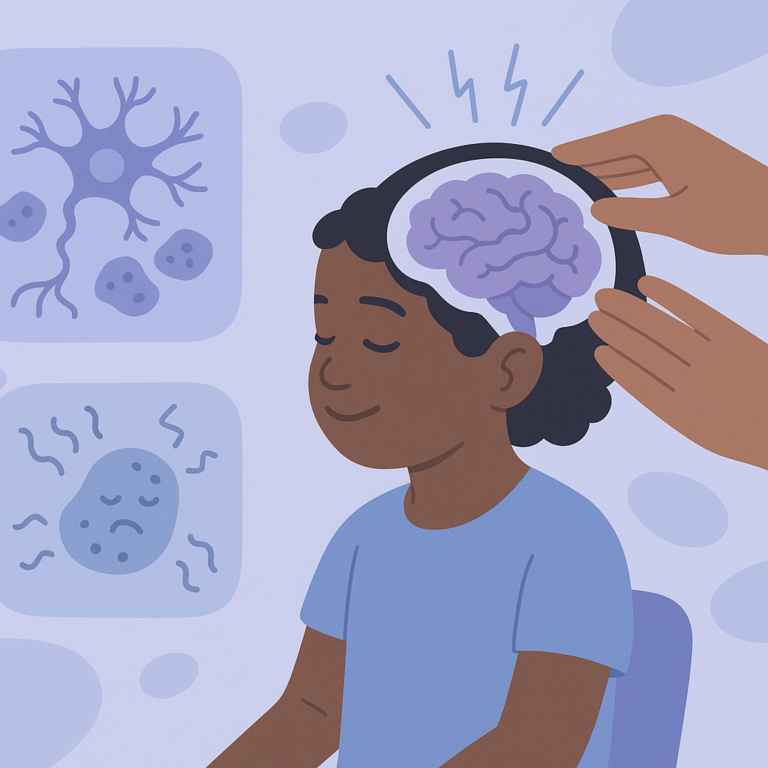
This study looked at children under 12 years old who have epilepsy that does not respond to medication, specifically those with malformations of cortical development (MCD).