Probiotics May Help Reduce Seizures in Epilepsy Patients
Researchers studied the effects of probiotics on people with epilepsy by analyzing data from six clinical trials that included a total of 656 patients.
This hub covers seizure first aid: what to do during a seizure, when to use rescue meds, and when to call 911. Clear, research-informed guidance for home, school, sports, and sleep.
Yes, you can get it here! Stick it on the fridge, give it to the grandparents, and share it with teachers.
If a convulsive seizure lasts ~5 minutes, breathing is abnormal, injury occurs, it’s a first seizure, or recovery is not typical.
A written plan for caregivers/schools that includes seizure types, what to do, and when to use rescue meds.
Often yes with 1:1 close supervision, a plan, and risk discussion with your neurologist.
Showers are usually safer than baths. If using a bath, supervision matters.
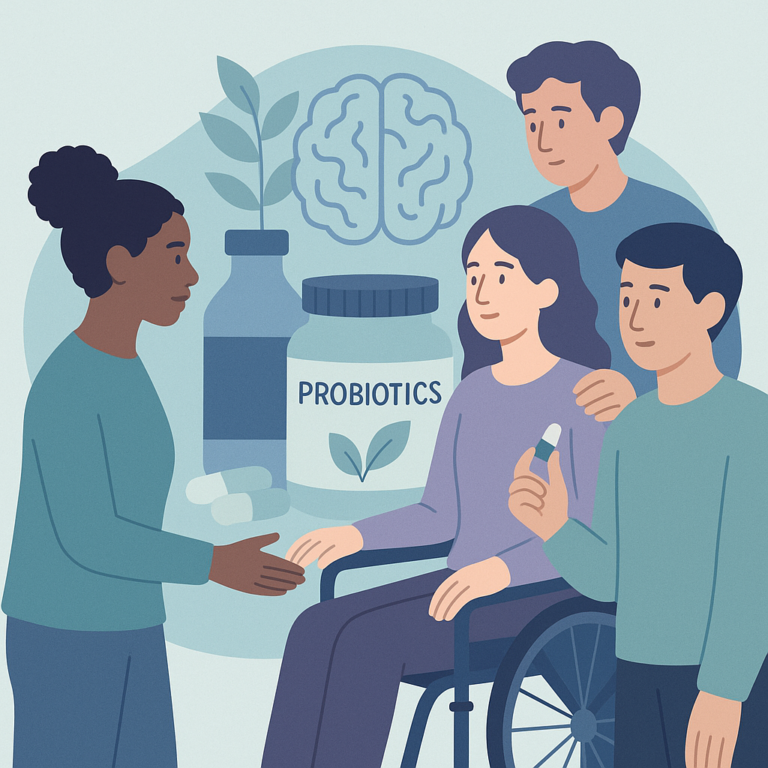
Researchers studied the effects of probiotics on people with epilepsy by analyzing data from six clinical trials that included a total of 656 patients.
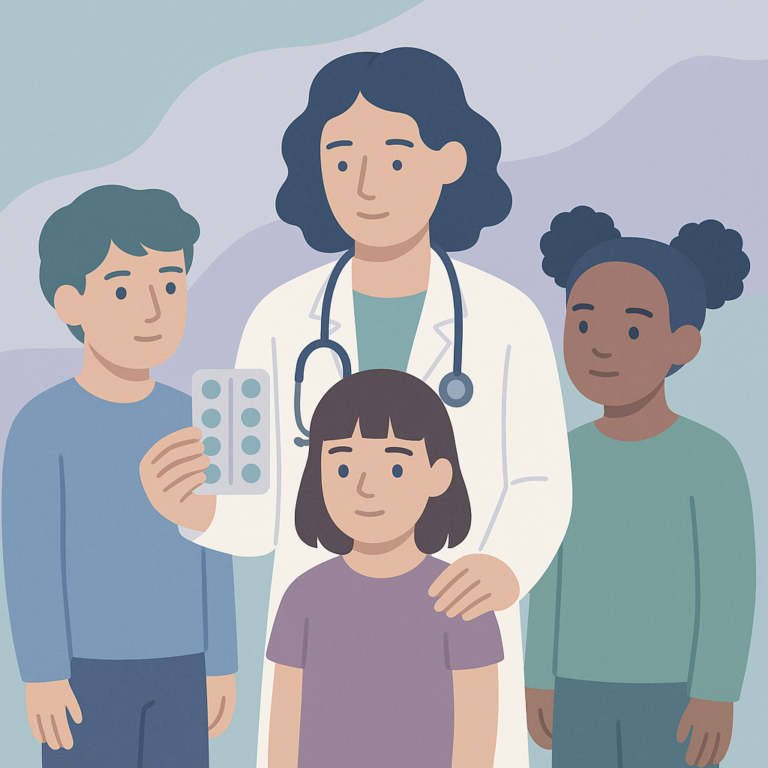
This study looked at the safety and effectiveness of a medication called cenobamate in children and teenagers under 18 years old who have epilepsy that does not respond well to other treatments.
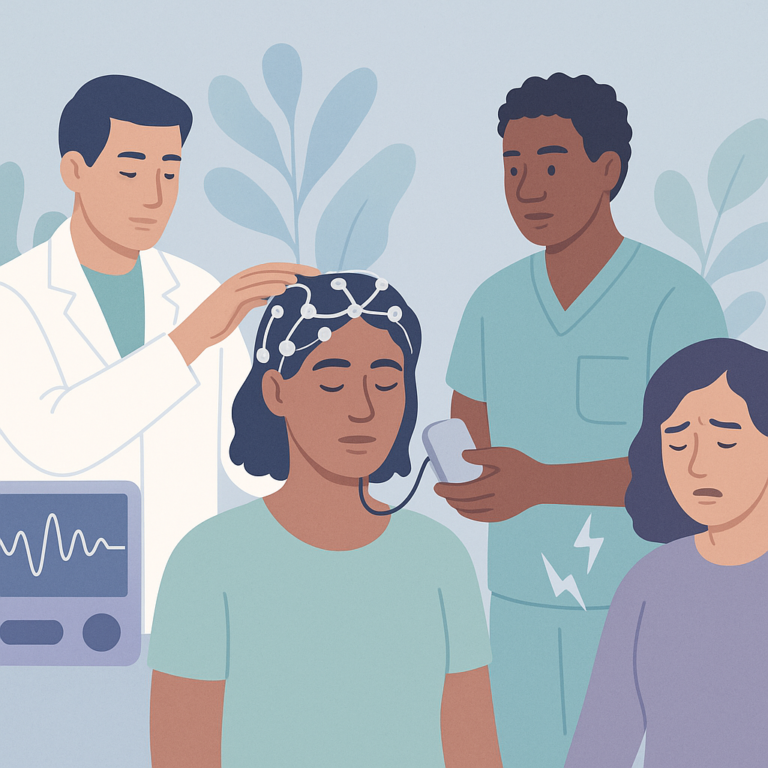
This study looked at how well three different neuromodulation techniques—Vagus Nerve Stimulation (VNS), Responsive Neurostimulation (RNS), and Deep Brain Stimulation (DBS)—work for adults with refractory bitemporal lobe epilepsy (BTLE), which is a type of epilepsy that is hard to treat…
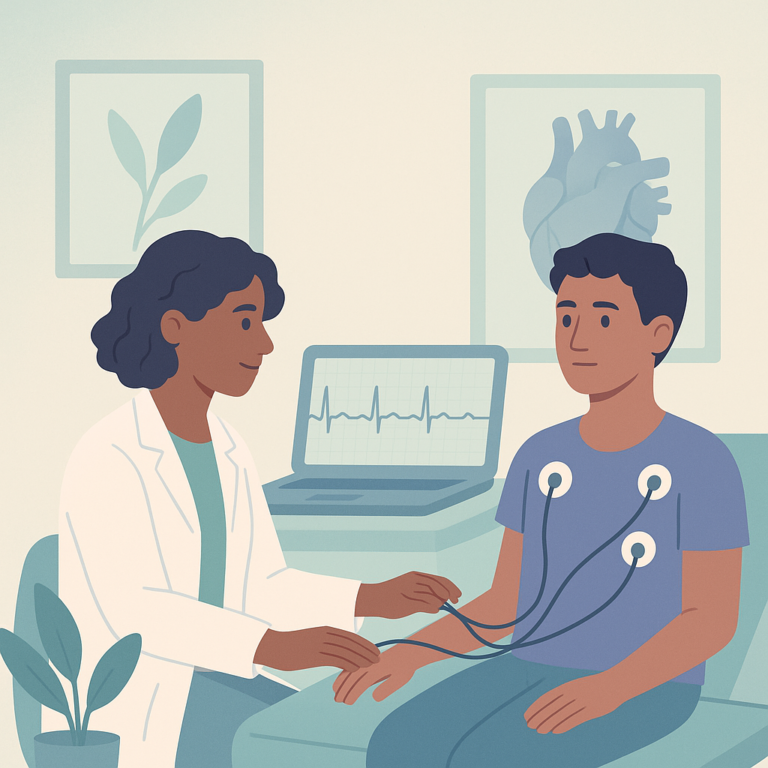
Researchers studied the connection between heart and breathing patterns during seizures in people with epilepsy, focusing on those who experienced sudden unexpected death in epilepsy (SUDEP) compared to those who did not.
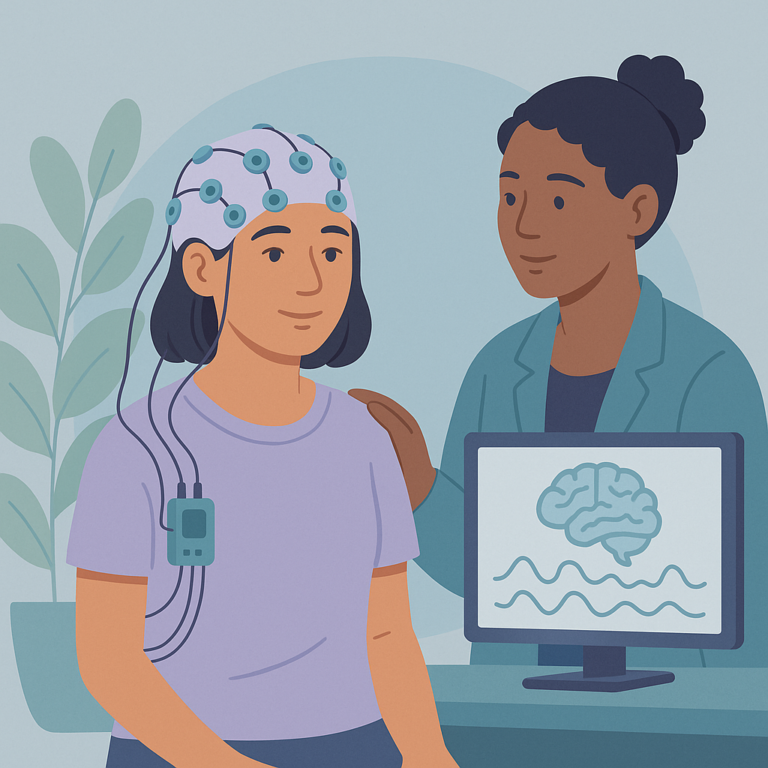
Researchers studied a new device called the EP-01, which is designed to record brain activity from inside blood vessels in patients with drug-resistant epilepsy.
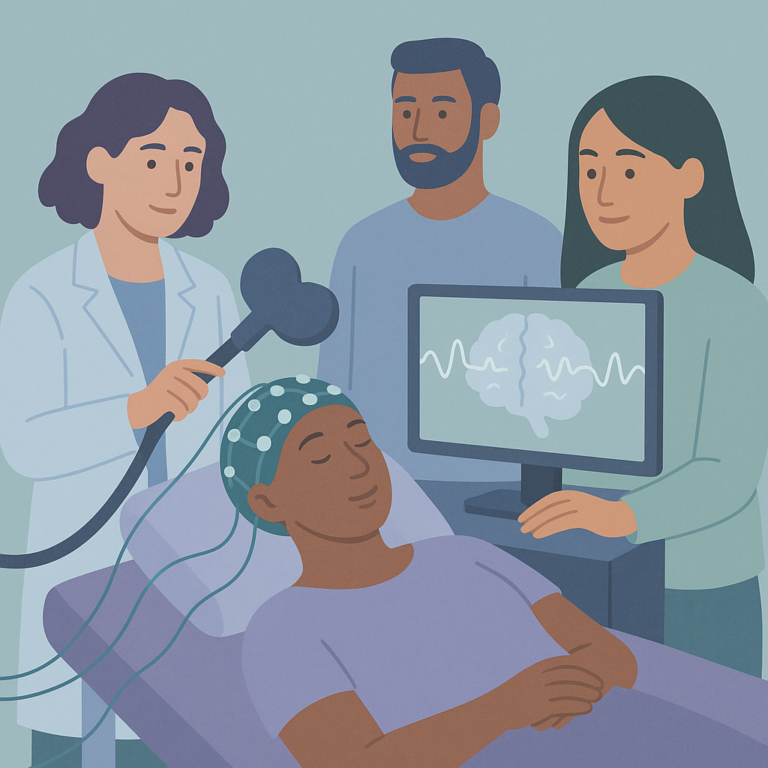
Researchers studied different non-invasive neurostimulation treatments for people with drug-resistant epilepsy, which is a type of epilepsy that does not respond well to medications.
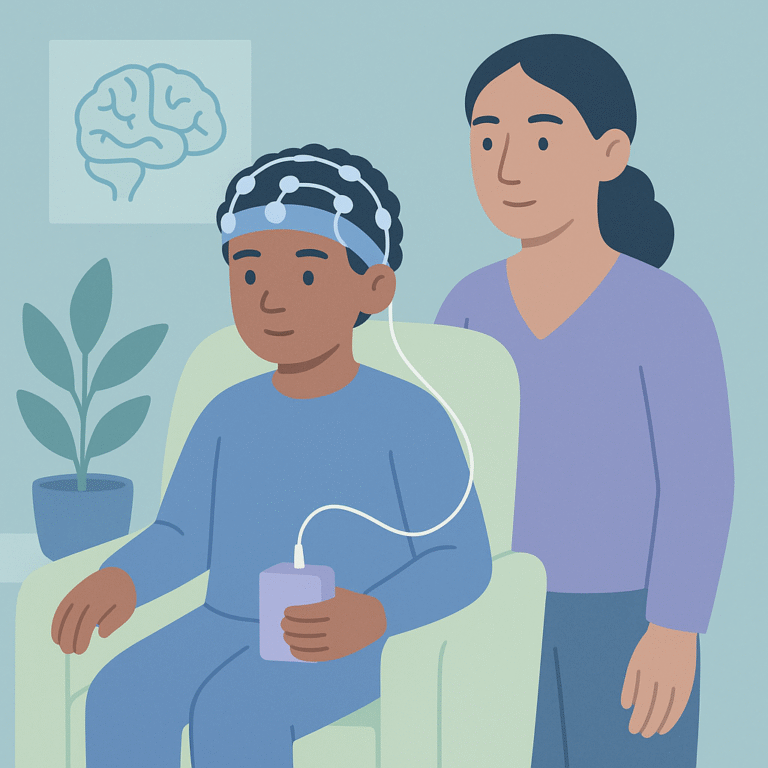
Researchers studied the effects of a treatment called central responsive neurostimulation (RNS) on children with drug-resistant epilepsy (DRE) that affects multiple areas of the brain.
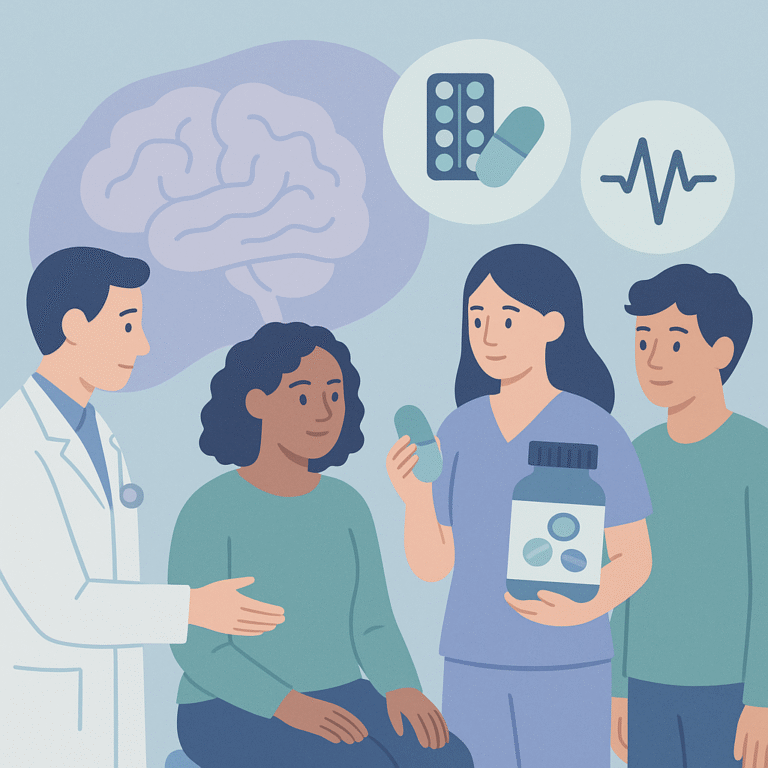
Researchers studied the use of third-generation anti-seizure medications (ASMs) to treat epilepsy.
A study was conducted to compare two medications, brivaracetam and oxcarbazepine, in treating children with self-limited focal epilepsies (SeLFEs).