Effective Seizure Prevention After Brain Surgery with Levetiracetam and Phenytoin
Researchers studied the effectiveness and safety of different antiepileptic drugs (AEDs) for preventing seizures in patients who had brain surgery to remove tumors.
This hub covers seizure first aid: what to do during a seizure, when to use rescue meds, and when to call 911. Clear, research-informed guidance for home, school, sports, and sleep.
Yes, you can get it here! Stick it on the fridge, give it to the grandparents, and share it with teachers.
If a convulsive seizure lasts ~5 minutes, breathing is abnormal, injury occurs, it’s a first seizure, or recovery is not typical.
A written plan for caregivers/schools that includes seizure types, what to do, and when to use rescue meds.
Often yes with 1:1 close supervision, a plan, and risk discussion with your neurologist.
Showers are usually safer than baths. If using a bath, supervision matters.
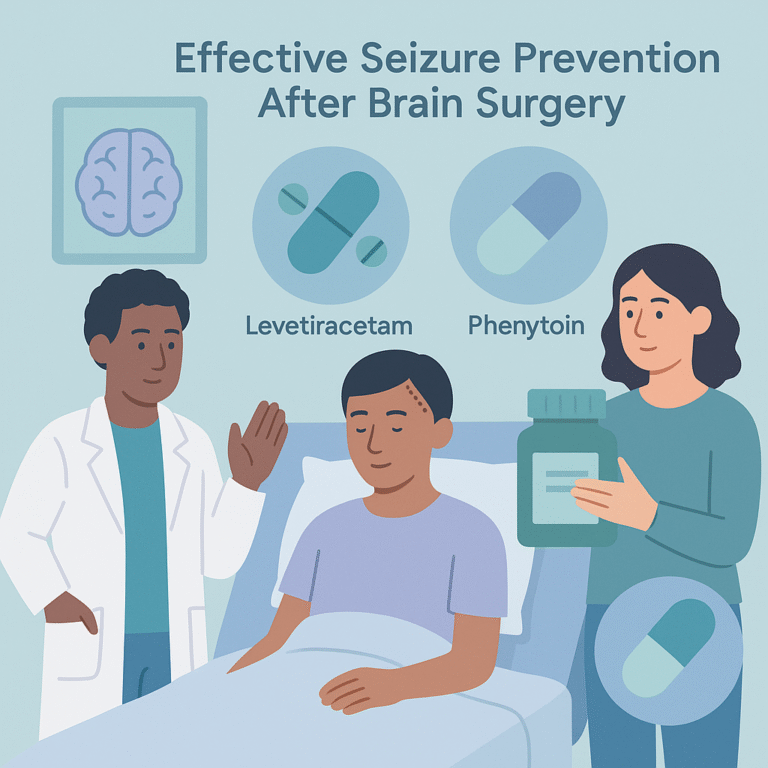
Researchers studied the effectiveness and safety of different antiepileptic drugs (AEDs) for preventing seizures in patients who had brain surgery to remove tumors.
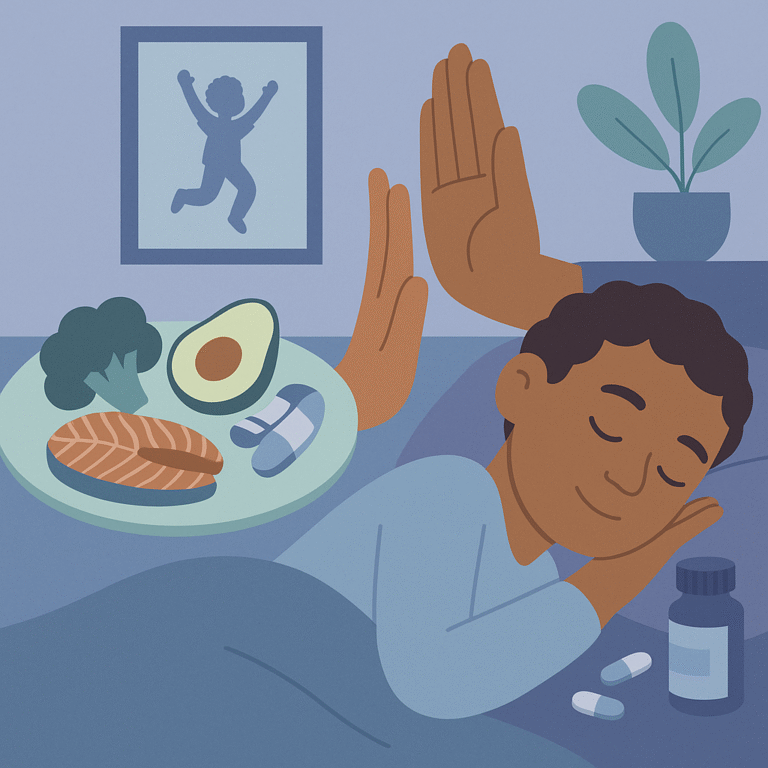
A study was conducted to compare the effectiveness of a ketogenic diet (KD) with traditional antiseizure medications (ASMs) in children who have developmental and epileptic encephalopathies (DEE).
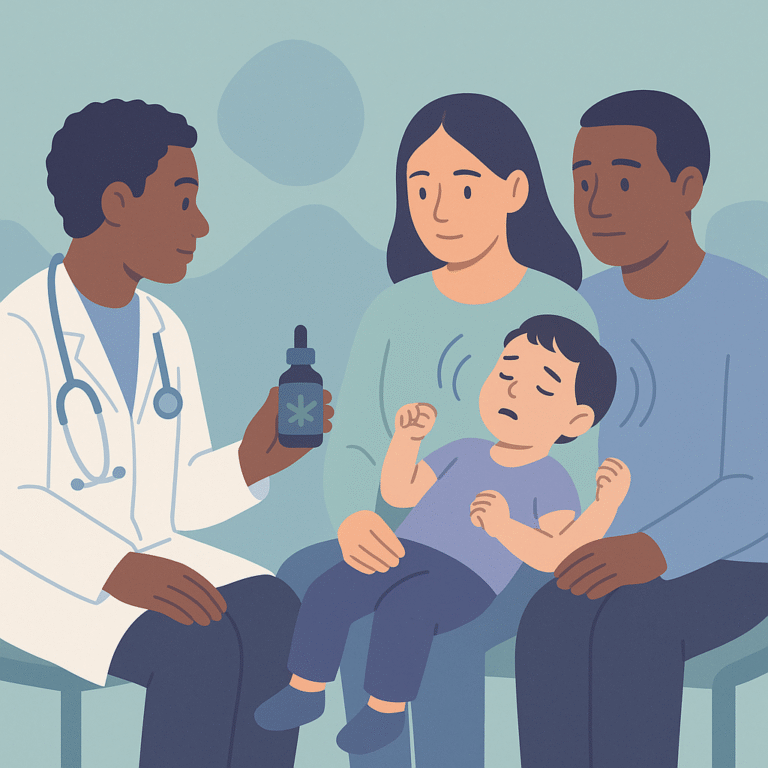
Researchers studied the use of cannabidiol (CBD) as an additional treatment for children over the age of 2 who have drug-resistant epileptic spasms (ES).
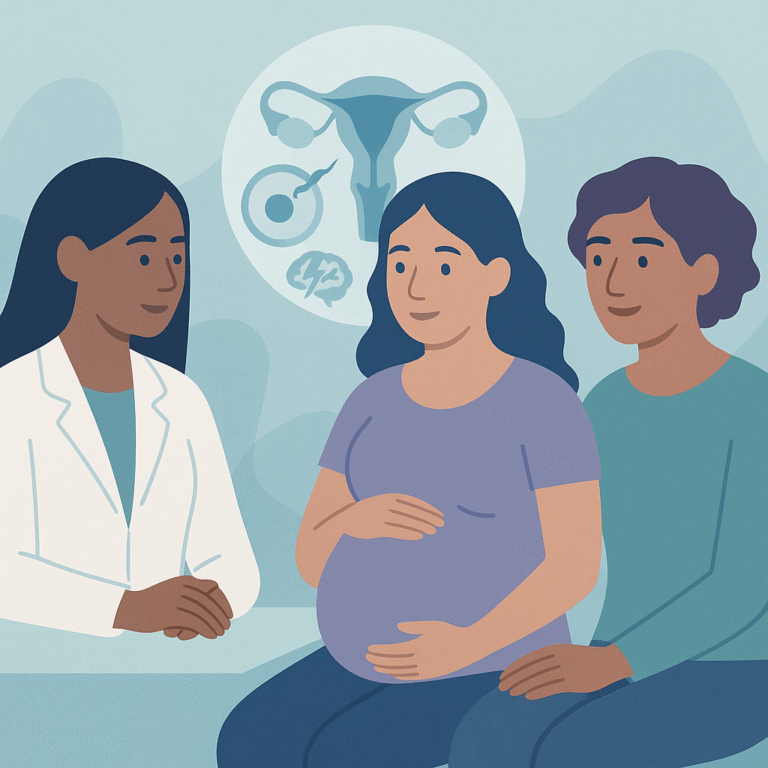
Researchers studied the challenges and outcomes of assisted reproductive technologies (ART) for women with epilepsy (WWE).
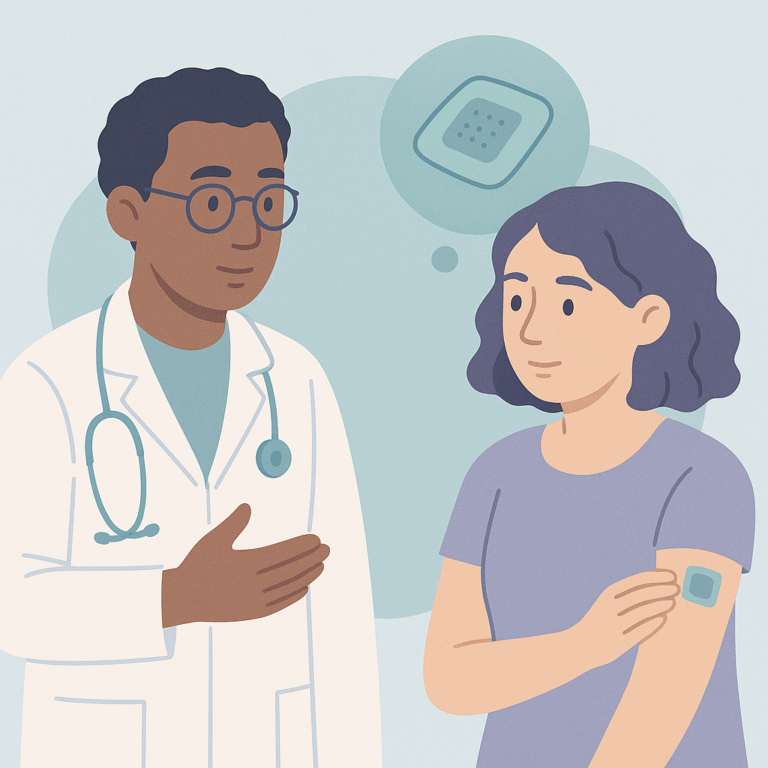
Researchers studied the use of nicotine as a treatment for Sleep-Related Hypermotor Epilepsy (SHE), a type of epilepsy that can have a genetic cause.
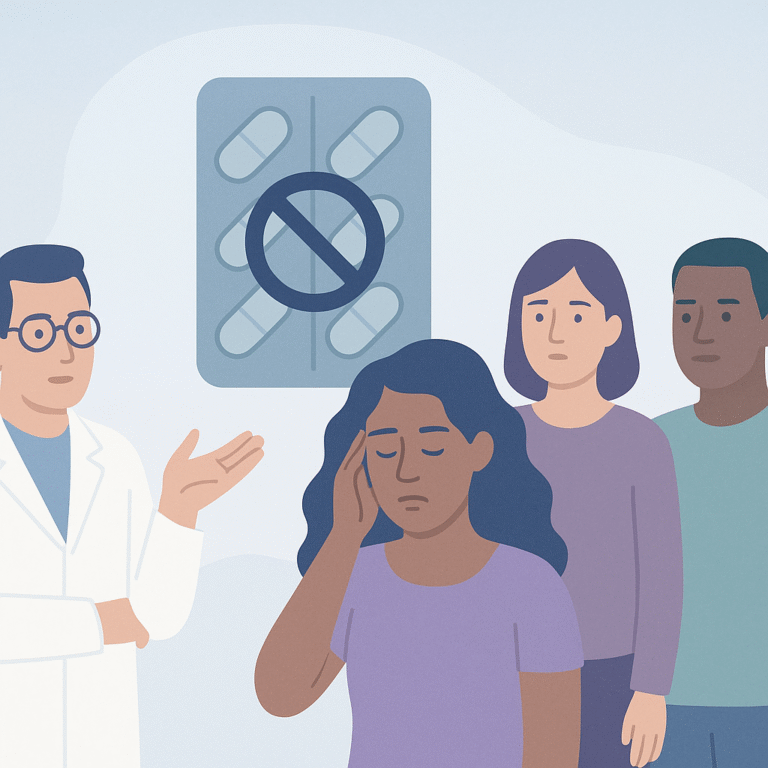
A study was conducted to evaluate the effectiveness and safety of a new medication called JNJ-40411813 when used alongside two existing epilepsy treatments, levetiracetam and brivaracetam.
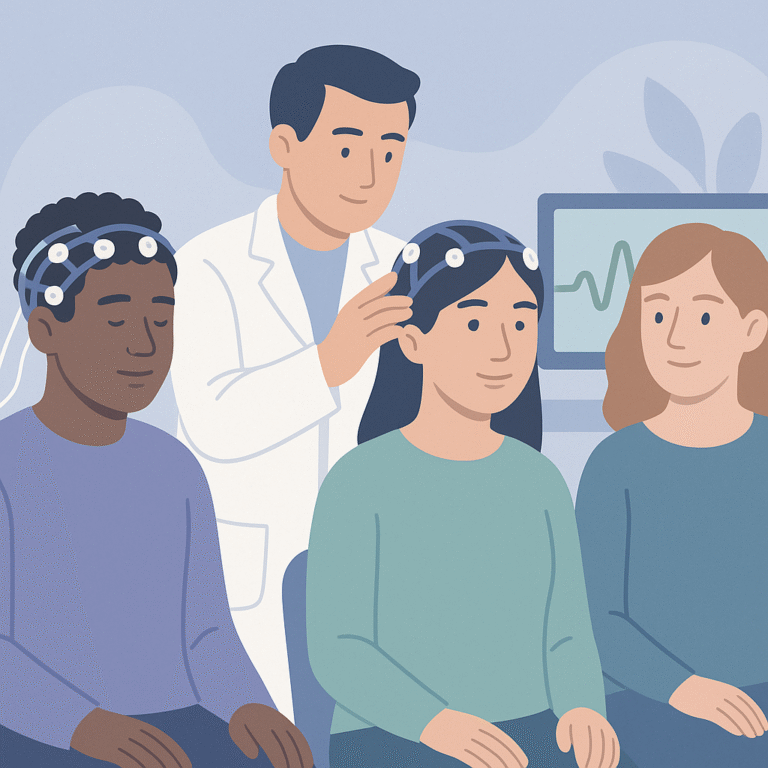
Researchers studied a new method called transcranial temporal interference stimulation (tTIS) to see how it can help people with various neurological and psychiatric disorders.
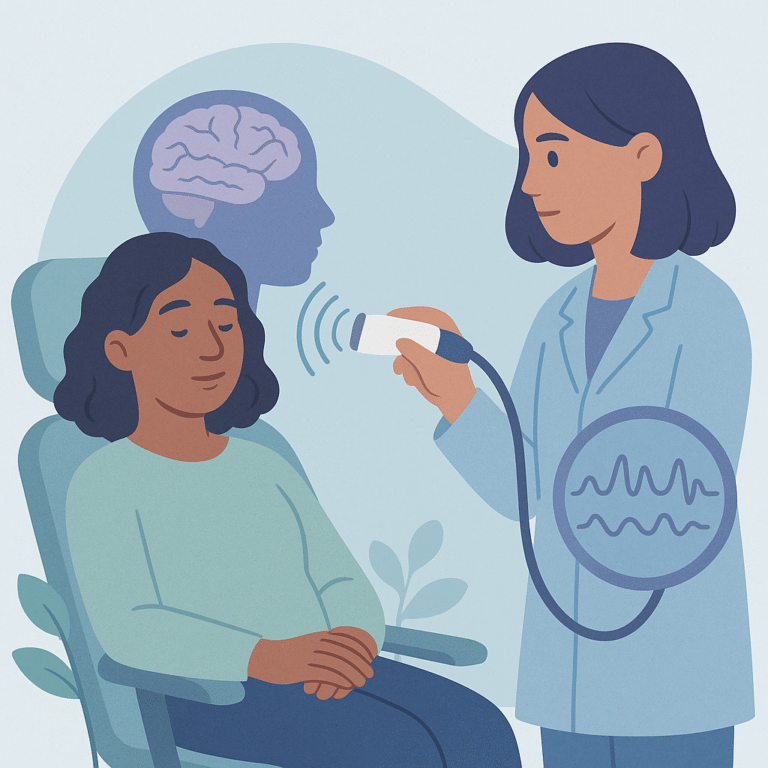
Researchers studied a technique called transcranial focused ultrasound (tFUS), which is a non-invasive way to stimulate specific areas of the brain using sound waves.
A study was conducted in China, Japan, and South Korea to evaluate the effectiveness and safety of a medication called cenobamate for adults aged 18 to 70 who have uncontrolled focal seizures.