Earlier Surgery And Full Removal Improve Seizure Freedom
Source: Epilepsia open
Summary
What was studied
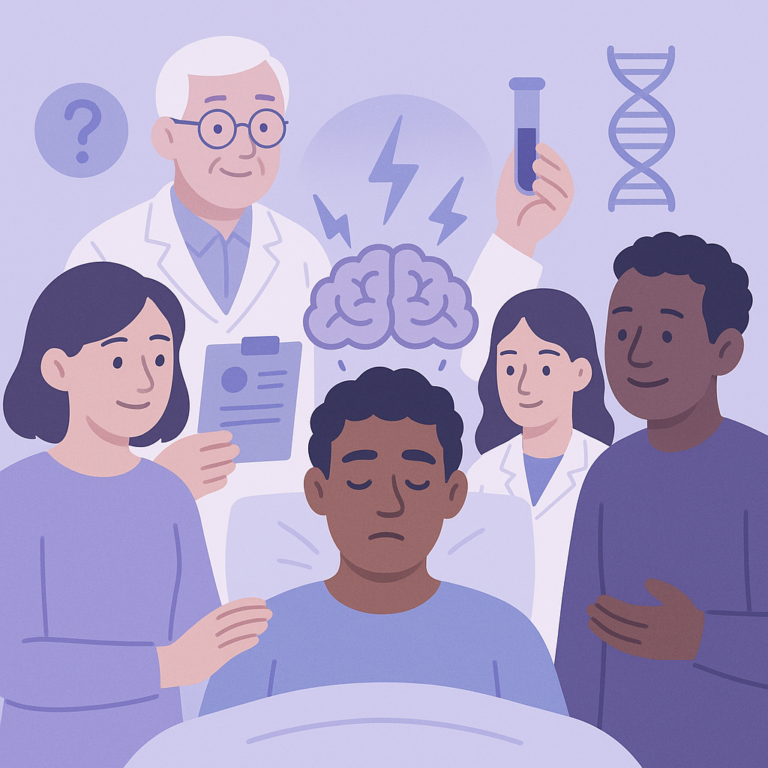
This study looked at long-term seizure outcomes after epilepsy surgery in children with drug-resistant epileptic spasms. It included 73 children treated at one hospital in China between 2015 and 2024. The median age at surgery was 37 months, and all children were followed for at least 12 months after surgery.
The researchers reviewed children who had resective or ablative surgery. They examined which factors were associated with seizures coming back after surgery, including seizure duration before surgery, whether any abnormal brain tissue was still seen on MRI after surgery, and the type of brain abnormality found on pathology.
What they found
About 75% of children were seizure-free 1 year after surgery, and about 55% were seizure-free at the last follow-up. Average follow-up was a little over 5 years. The strongest independent predictor of seizure recurrence was a residual lesion, meaning abnormal brain tissue still seen on MRI after surgery. Seizure duration longer than 36 months before surgery was also independently associated with a higher chance of seizure recurrence. Children with seizure duration of 36 months or less had better 5-year seizure-free survival than those with longer duration. Among malformation of cortical development subtypes, focal cortical dysplasia type II had the highest 5-year seizure-free rate, while mild malformation of cortical development had the lowest in this study.
Limits of the evidence
This was a retrospective study, so it looked back at past records rather than randomly assigning treatment. That means it can show associations but cannot prove that earlier surgery or complete lesion removal alone caused the better outcomes. The study was done at a single hospital, with 73 children, so results may not apply to every child or every center. Some subgroup findings, such as differences between pathology types, may be based on small numbers. The abstract also does not give details about development, quality of life, surgery risks, or how children were selected for surgery.
For families and caregivers
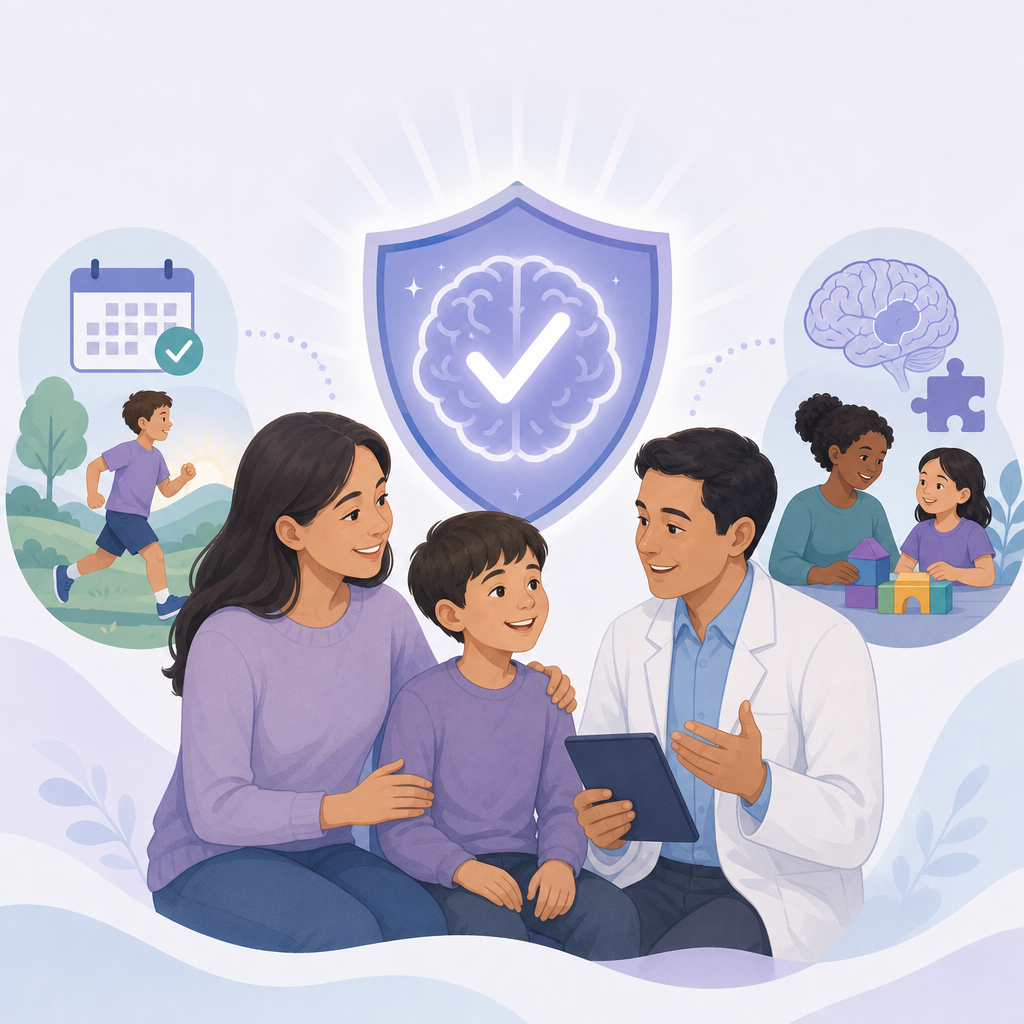
For families, this study suggests that when epileptic spasms do not respond to medicine and surgery is being considered, earlier referral to an epilepsy surgery team may be important. It also suggests that children without residual abnormal tissue seen after surgery had better long-term seizure outcomes.
This does not mean surgery is right for every child, and it does not tell us how an individual child will do. But it supports asking early about a full epilepsy surgery evaluation when spasms are drug-resistant.
What to watch next
Stronger evidence would come from larger multi-center studies that also track development, daily functioning, and surgery risks, not just seizure freedom.
Terms in this summary
- drug-resistant
- Not controlled well enough by medicines.
- epileptic spasms
- A seizure type, often seen in young children, that can happen in brief clusters.
- resective surgery
- An operation that removes the part of the brain thought to be causing seizures.
- ablative surgery
- A treatment that destroys the seizure-causing brain tissue without removing it in the usual way.
- MRI
- A scan that makes detailed pictures of the brain.
- residual lesion
- Abnormal brain tissue that remains after surgery.
- focal cortical dysplasia
- A brain development difference where part of the brain formed abnormally and may cause seizures.
Free: Seizure First Aid Quick Guide (PDF)
Plus one plain-language weekly digest of new epilepsy research.
Unsubscribe anytime. No medical advice.