Lacosamide May Help Newborn Seizures With Careful Monitoring
⚠️ Infant dosing/safety: medication and diet decisions for infants require individualized medical guidance.
Source: Journal of medical case reports
Summary
What was studied
This report describes one premature newborn boy in the Netherlands who had hard-to-control seizures. He was born at 33 weeks and had epilepsy linked to a de novo SCN2A gene mutation. His seizures continued despite several anti-seizure medicines.
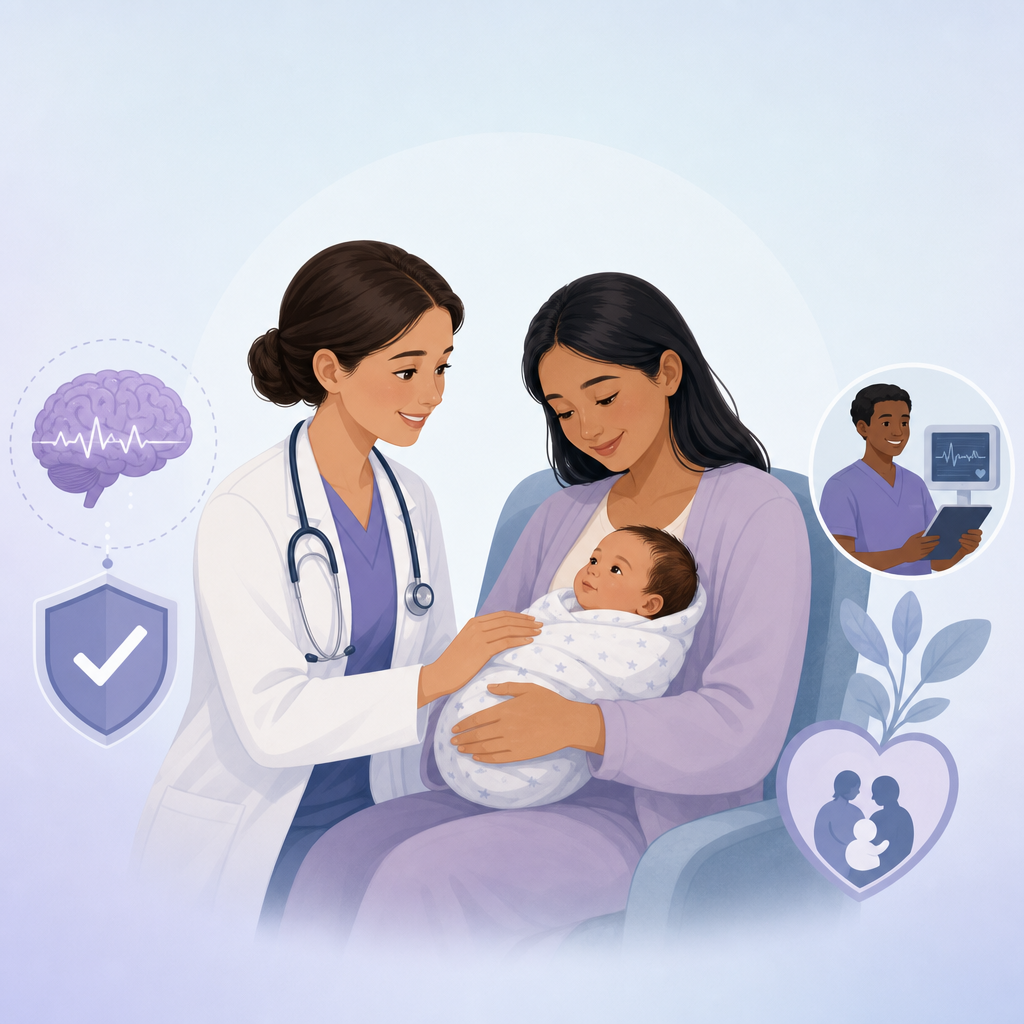
Doctors added lacosamide, a medicine approved for older children and adults but not specifically for newborns. They repeatedly measured the medicine level in his blood just before the next dose (trough level) to help adjust the dose, and they also monitored for side effects.
What they found
In this single baby, the lacosamide dose needed to reach a blood level the authors considered therapeutic was much higher than expected from available literature: 22 mg per kg, given in 4 doses. The authors reported no side effects. They concluded that, in selected newborn cases, lacosamide may be safe, well tolerated, and a treatment option if blood levels and heart monitoring are followed closely.
Limits of the evidence
This is only a case report of one infant, so it cannot show what usually happens or establish that lacosamide is safe or effective for newborns in general. The baby had a specific SCN2A mutation and severe treatment-resistant epilepsy, so the findings may not apply to other babies or other seizure causes. The abstract also does not give much detail about how much the seizures improved after lacosamide, so important outcomes are uncertain.
For families and caregivers
For families, this report suggests that lacosamide may sometimes be considered for newborns with very difficult-to-treat seizures, even though its use at that age is off-label. It also suggests that some newborns may need higher doses to reach a therapeutic blood level. Because this evidence comes from just one baby, it should be seen as an early signal, not a firm guide.
What to watch next
Stronger evidence would come from larger studies in newborns that track seizure control, side effects, heart safety, and dosing needed to reach therapeutic blood levels.
Terms in this summary
- off-label
- Using a medicine in an age group or for a condition that is not specifically included in its official approval.
- refractory epilepsy
- Epilepsy that does not respond well to standard treatments.
- SCN2A mutation
- A change in the SCN2A gene, which can affect brain cell signaling and be associated with seizures.
- serum trough level
- The amount of medicine in the blood measured just before the next dose.
- therapeutic drug monitoring
- Checking medicine levels in the blood to help choose a safe and appropriate dose.
Free: Seizure First Aid Quick Guide (PDF)
Plus one plain-language weekly digest of new epilepsy research.
Unsubscribe anytime. No medical advice.