Comorbidities

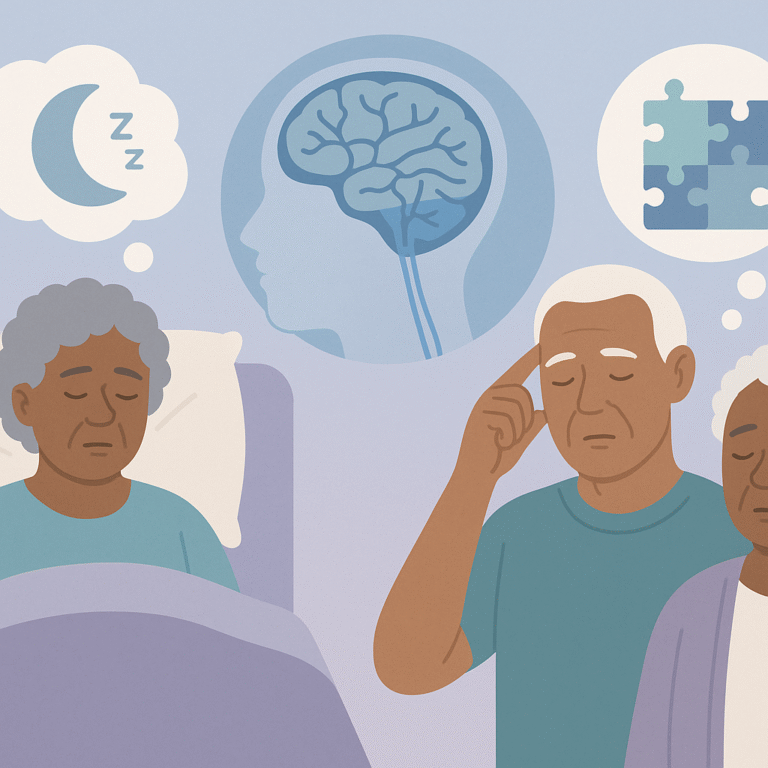
This hub covers epilepsy comorbidities, which are the other conditions that often show up alongside seizures (like ADHD, anxiety, depression, autism, and sleep issues). Plain-language research takeaways for families.

What you’ll find in this topic:

  • Plain-language summaries of new epilepsy studies
  • What the research means for real life
  • Practical questions to ask your neurologist
  • Related topics you can explore next

Epilepsy Comorbidities: What Families Usually Want to Know

  • Why conditions like ADHD, anxiety, depression, and sleep problems are common
  • How meds and seizures can affect mood, attention, and learning
  • What to bring up at appointments (and what screening is normal)
  • When to involve behavioral health, neuropsychology, or school supports

Common Comorbidity Terms in Plain English

  • Neuropsych testing: a detailed profile of learning, attention, memory
  • Mood disorder: ongoing depression/anxiety symptoms affecting daily life
  • Executive function: planning, starting tasks, organization, impulse control
  • Sleep disorder: trouble falling/staying asleep or poor-quality sleep
  • Medication side effects: cognitive/mood changes that may be adjustable

Epilepsy Comorbidities FAQ

Are these β€œseparate problems” or part of epilepsy?

Often both. Shared brain networks, stress, sleep disruption, and medication effects can all contribute.

How do we tell side effects from the condition itself?

Track timing: New symptoms after med changes or dose increases may point to side effects.

Should we ask for neuropsych testing?

If school is hard, attention/memory changes, or there’s concern about learning, yes, it can guide supports.

Can treating anxiety/sleep help seizures?

Sometimes. Improving sleep and stress can reduce seizure susceptibility in some people.