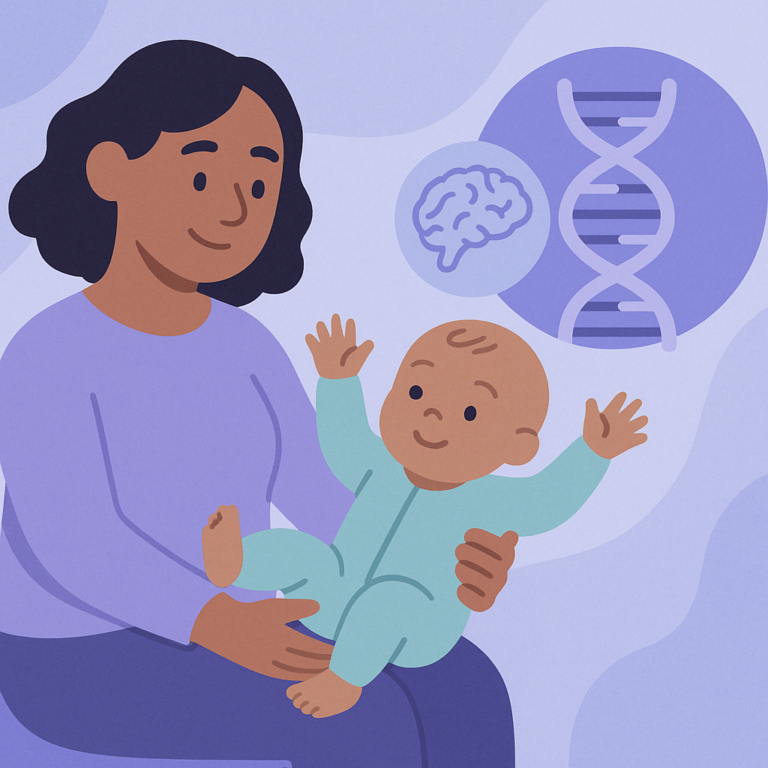
Rare Gene Mutation Linked to Unusual Movement Disorder in Infants
Researchers studied a patient with unusual movement problems linked to a change in the PRRT2 gene.
This hub covers epilepsy comorbidities, which are the other conditions that often show up alongside seizures (like ADHD, anxiety, depression, autism, and sleep issues). Plain-language research takeaways for families.
Often both. Shared brain networks, stress, sleep disruption, and medication effects can all contribute.
Track timing: New symptoms after med changes or dose increases may point to side effects.
If school is hard, attention/memory changes, or thereβs concern about learning, yes, it can guide supports.
Sometimes. Improving sleep and stress can reduce seizure susceptibility in some people.
Researchers studied a patient with unusual movement problems linked to a change in the PRRT2 gene.

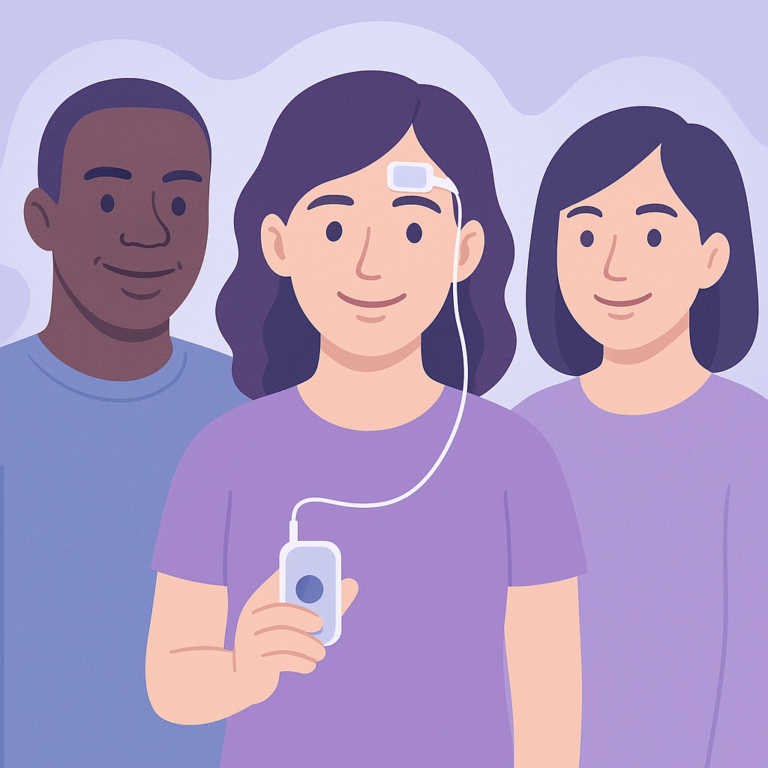
Researchers studied a technique called external trigeminal nerve stimulation (eTNS) to see how it might help with various neuropsychiatric disorders.
This study looked at the effects of a medication called cenobamate on young adults with tuberous sclerosis complex (TSC) who have epilepsy that does not respond to other treatments.
A recent study looked at how well a mindfulness training program delivered through an app could work for adults with epilepsy in mainland China.
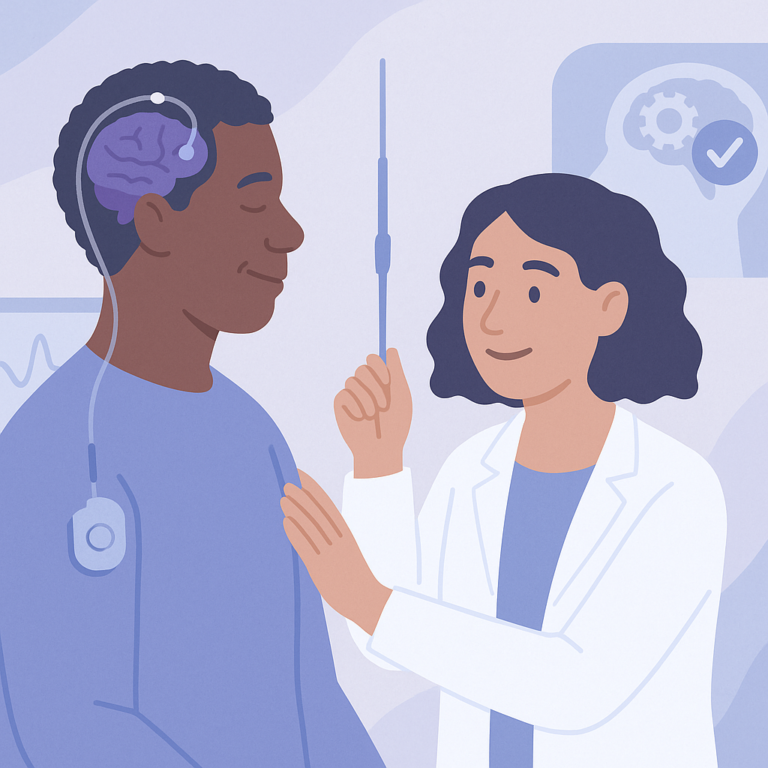
Researchers studied the effects of a treatment called continuous hippocampal deep brain stimulation (Hip-DBS) on memory and cognitive function in patients with drug-resistant temporal lobe epilepsy (TLE).
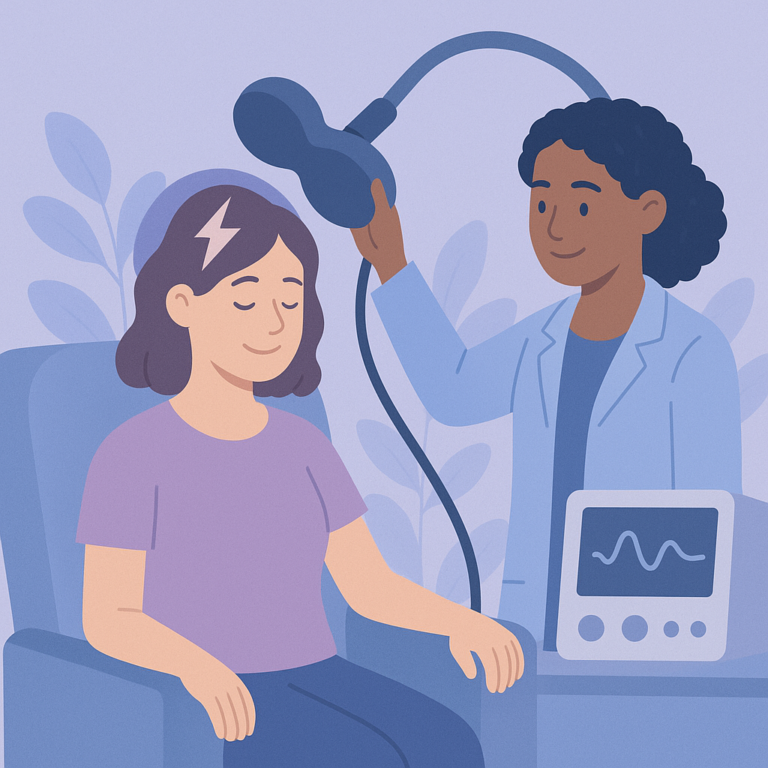
A recent study looked at the use of repetitive transcranial magnetic stimulation (rTMS) as an additional treatment for adults with drug-resistant epilepsy (DRE), which means their seizures do not respond well to standard medications.
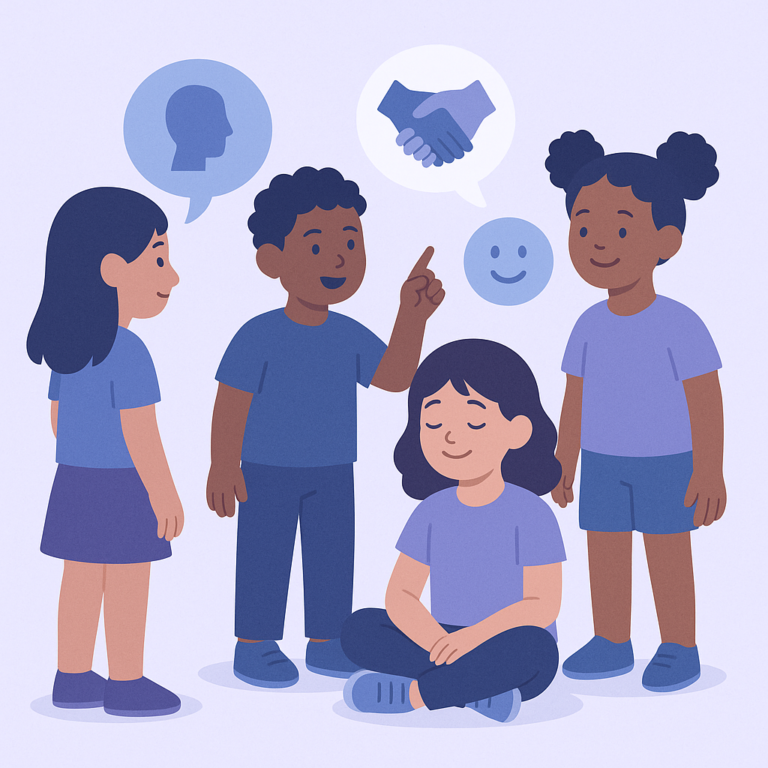
This study looked at the cognitive and social skills of 45 children and adolescents with temporal lobe epilepsy (TLE) and compared them to 56 healthy peers of similar age, gender, and schooling.
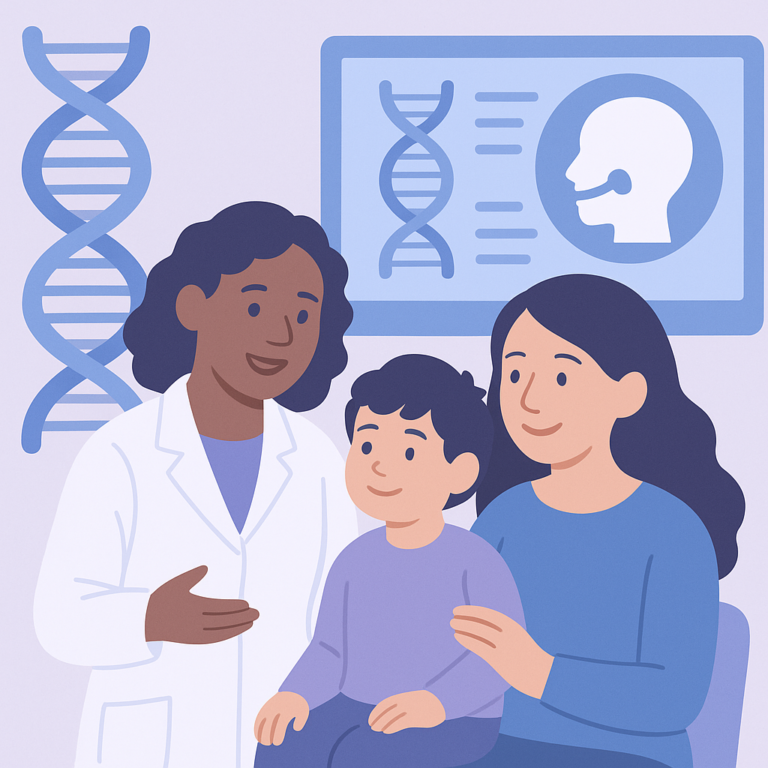
This study looked at the role of genetic testing in children with expressive language delay (ELD), a condition where kids have trouble expressing themselves verbally.
A recent study looked at how much teachers know about asthma, type 1 diabetes, and epilepsy in children.