Genetic Testing Found Answers For Some Adults With DEE
This study looked at copy number variants, also called CNVs, in 219 adults with developmental and epileptic encephalopathy (DEE) who still did not have a diagnosis.
This hub covers epilepsy comorbidities, which are the other conditions that often show up alongside seizures (like ADHD, anxiety, depression, autism, and sleep issues). Plain-language research takeaways for families.
Often both. Shared brain networks, stress, sleep disruption, and medication effects can all contribute.
Track timing: New symptoms after med changes or dose increases may point to side effects.
If school is hard, attention/memory changes, or there’s concern about learning, yes, it can guide supports.
Sometimes. Improving sleep and stress can reduce seizure susceptibility in some people.

This study looked at copy number variants, also called CNVs, in 219 adults with developmental and epileptic encephalopathy (DEE) who still did not have a diagnosis.
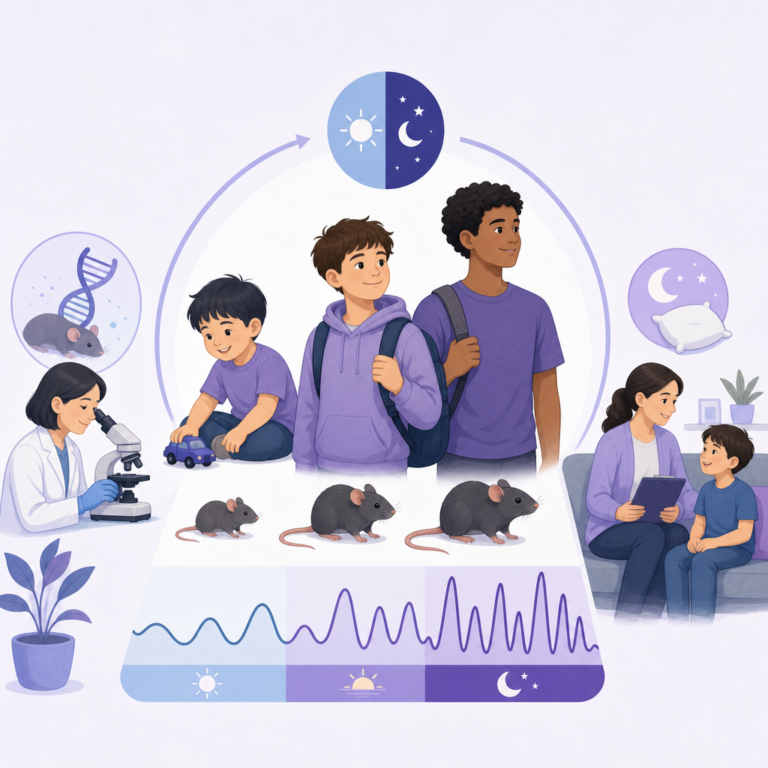
Researchers studied rest-activity patterns in two genetic mouse models relevant to autism spectrum disorder and epilepsy: Syn2 knockout mice and Cntnap2 knockout mice.

This study looked at children ages 4 to 18 with drug-resistant epilepsy who were being evaluated for epilepsy surgery, along with their parents.
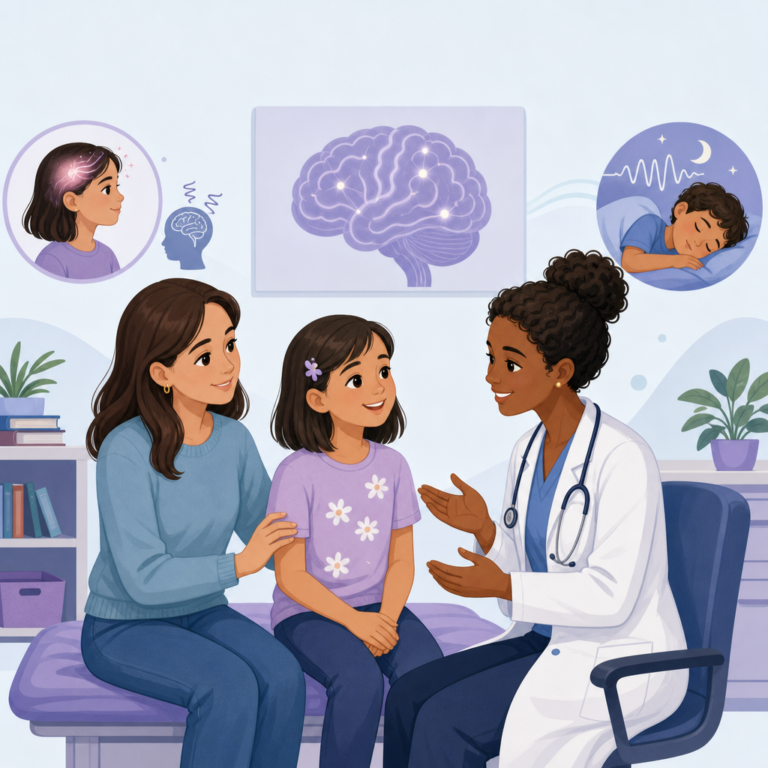
This study looked at whether some children sent to a pediatric neurology clinic for “migraine” or “headache” might actually have self-limited epilepsy with autonomic seizures (SeLEAS), also called Panayiotopoulos syndrome.

This study looked at how specialized Italian neuroscience and neuro-rehabilitation centers organize care for people with brain tumour-related epilepsy.

This study looked at fenfluramine, a seizure medicine, in children and adults with developmental and epileptic encephalopathies (DEEs).

This study evaluated two antidepressants, agomelatine and escitalopram, in people with epilepsy who also had major depressive disorder.

This study tested ES-481, a new add-on anti-seizure medicine, in adults with drug-resistant epilepsy.
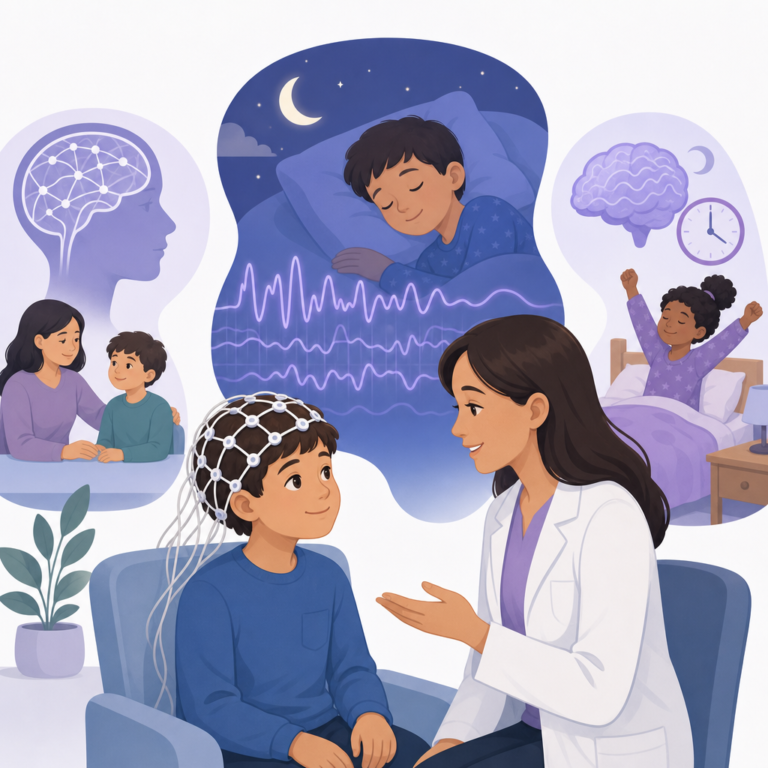
This study analyzed medical records from 180 children with autism spectrum disorder (ASD) who were hospitalized at a pediatric neurology center in Katowice, Poland.