How Gene Changes Affect SSADH Deficiency Symptoms
Researchers looked at a rare inherited neurometabolic disorder called succinic semialdehyde dehydrogenase deficiency (SSADHD), which is caused by variants in the ALDH5A1 gene.
This hub covers epilepsy comorbidities, which are the other conditions that often show up alongside seizures (like ADHD, anxiety, depression, autism, and sleep issues). Plain-language research takeaways for families.
Often both. Shared brain networks, stress, sleep disruption, and medication effects can all contribute.
Track timing: New symptoms after med changes or dose increases may point to side effects.
If school is hard, attention/memory changes, or there’s concern about learning, yes, it can guide supports.
Sometimes. Improving sleep and stress can reduce seizure susceptibility in some people.
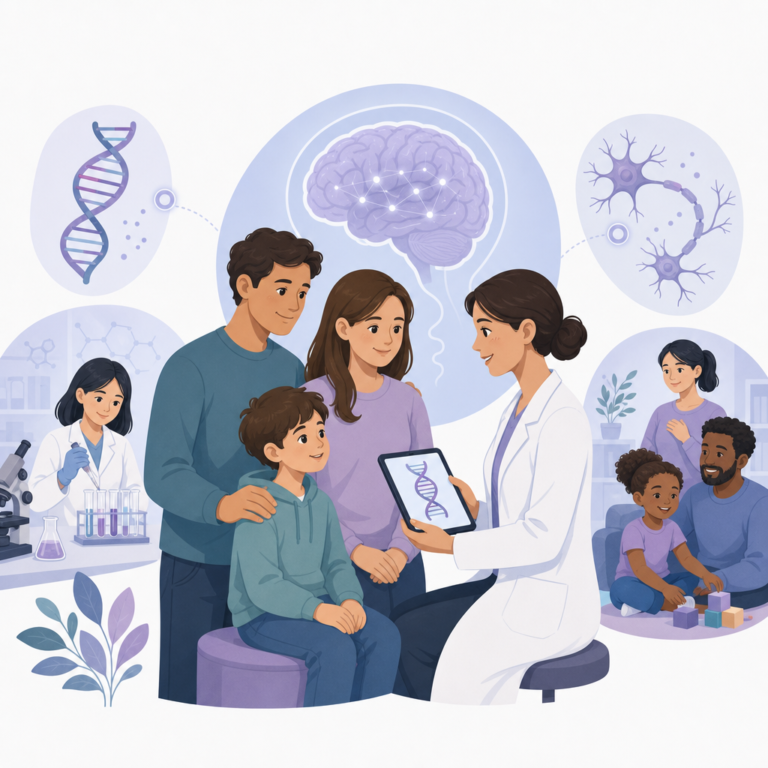
Researchers looked at a rare inherited neurometabolic disorder called succinic semialdehyde dehydrogenase deficiency (SSADHD), which is caused by variants in the ALDH5A1 gene.

Researchers tested whether a risk-stratified care pathway could be added to routine epilepsy care for adults who also had clinically relevant symptoms of depression or anxiety.

Researchers looked at whether changes in depressive symptoms, epilepsy self-efficacy, and perceived stigma helped explain the association between a program called SMART and epilepsy self-management.
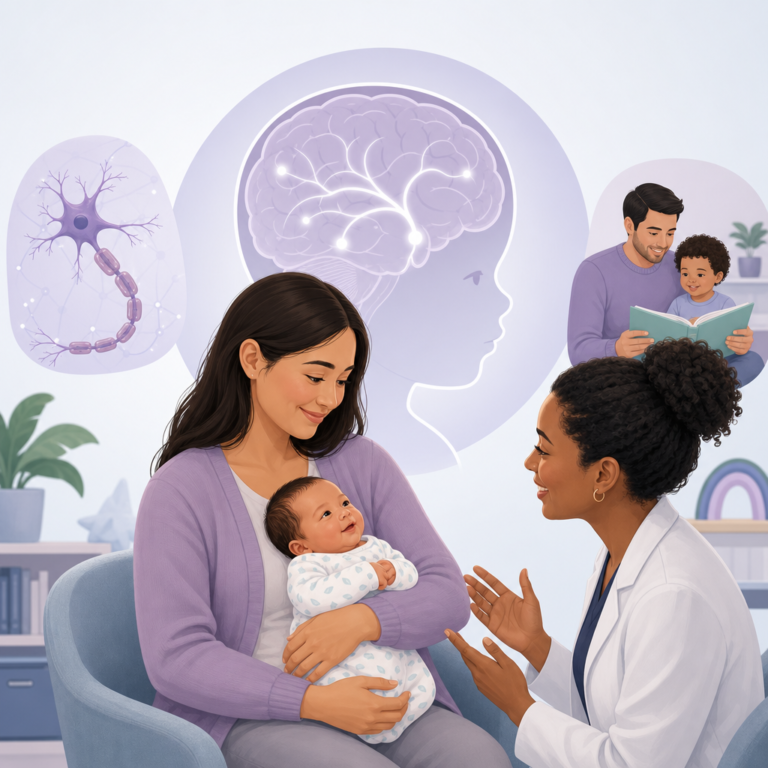
This study looked at whether the brain’s white matter differs in term newborns with genetic epilepsy in the neonatal period.

This study looked at sleep problems in people with KCNB1-related disorders, a genetic condition that can involve epilepsy, developmental difficulties, or both.

This paper reviewed published studies on neuropsychiatric side effects reported with levetiracetam, an anti-seizure medicine.
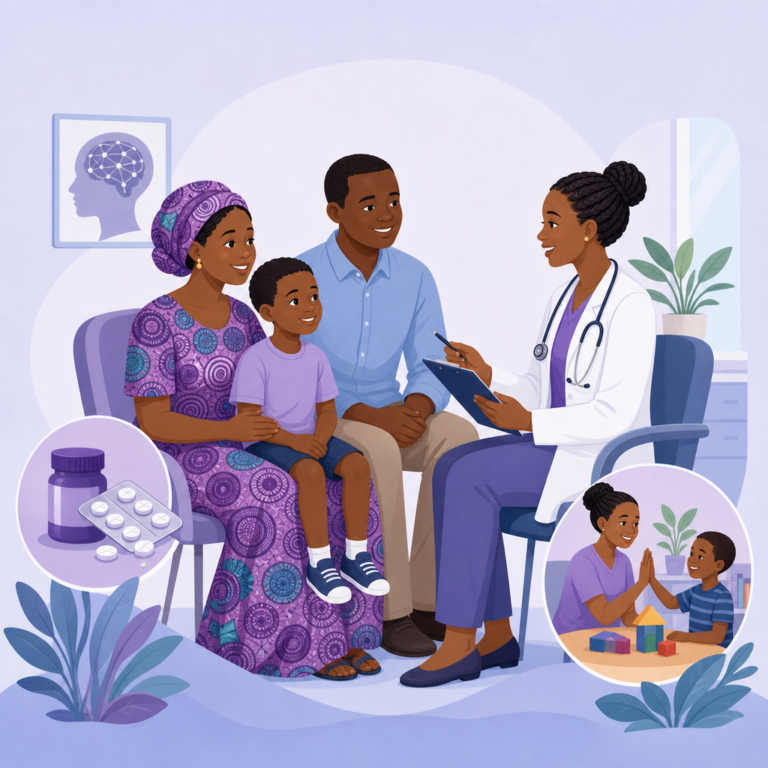
This study looked at how often antipsychotic medicines were prescribed to children and teens with epilepsy in Uganda, and which medicines were used together.

This study looked at whether physical frailty was associated with a higher chance of developing epilepsy later on.
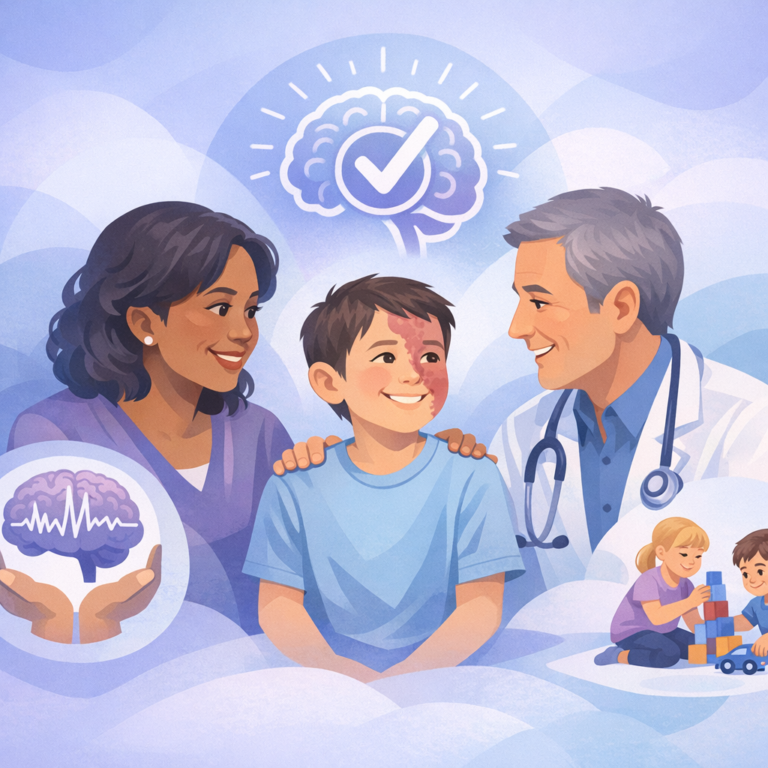
This study looked at children with Sturge-Weber syndrome (SWS) who had epilepsy surgery at Great Ormond Street Hospital between 1993 and 2022.