Surgery Can Reduce Seizures in Autism and Epilepsy Patients
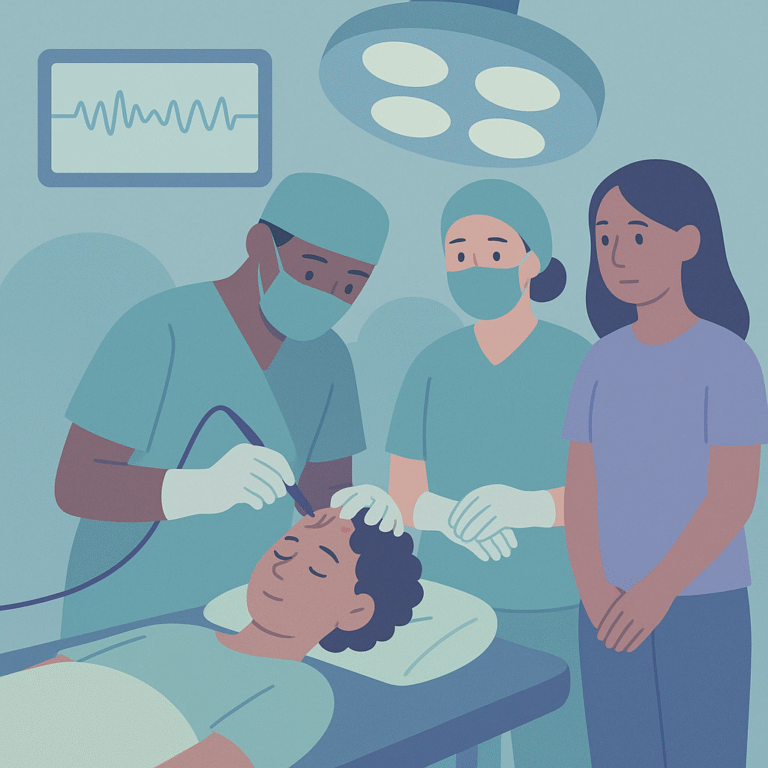
This study looked at how well epilepsy surgery works for people with autism spectrum disorder (ASD) who also have epilepsy.

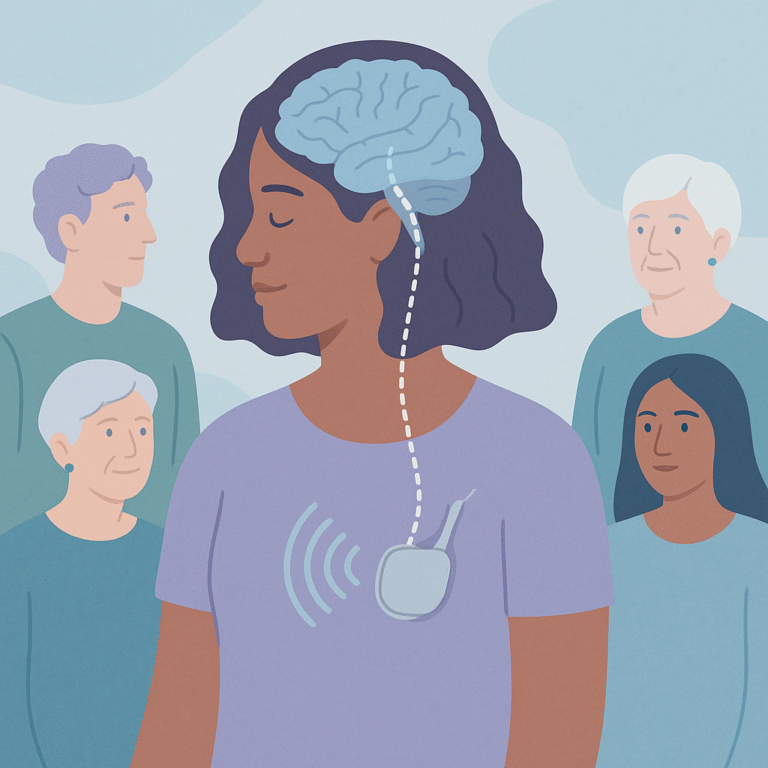
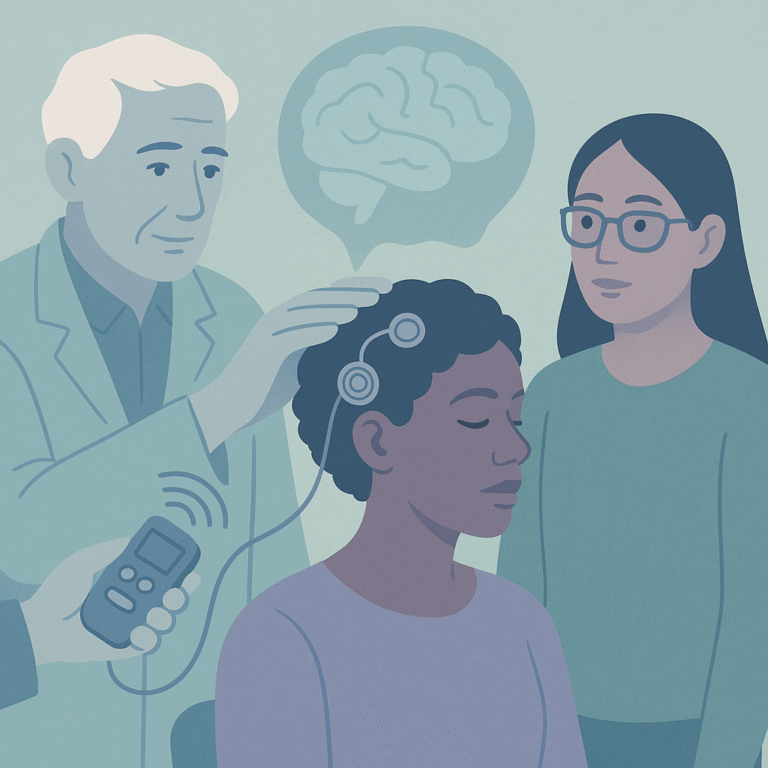
This hub covers epilepsy devices and neuromodulation like VNS, RNS, and DBS, which are treatments that can reduce seizures when meds arenβt enough. Plain-language research summaries plus real-life pros/cons.
Some are used more often in adults, but pediatric use depends on the device, the case, and specialist guidance.
Often gradually. Improvement can build over months as settings are optimized.
Sometimes medication can be reduced, but many people still use meds alongside a device.
Sometimes yes, with device-specific rules. Always check the exact device guidelines first.
This study looked at how well epilepsy surgery works for people with autism spectrum disorder (ASD) who also have epilepsy.

Researchers studied how two common antiepileptic drugs, valproic acid (VPA) and levetiracetam (LEV), affect hormone levels in adolescent girls with epilepsy.
Recent research has focused on improving the treatment of seizures in children with epilepsy, a condition that affects many young people in different ways.
This study looked at how effective vagus nerve stimulation (VNS) is for people with drug-resistant epilepsy (DRE) and what factors might predict a positive response to this treatment.
Researchers studied how to manage risks in clinical trials for a digital tool designed to help doctors make treatment decisions for epilepsy.
This study looked at the effects of responsive neurostimulation (RNS) on the brain function of patients with drug-resistant epilepsy (DRE).
This study looked at how effective vagus nerve stimulation (VNS) is for children with drug-resistant epilepsy (DRE), which means their seizures do not respond well to medications.
This study looked at how epilepsy caused by cavernous malformations in the brain is diagnosed and treated in Kazakhstan.
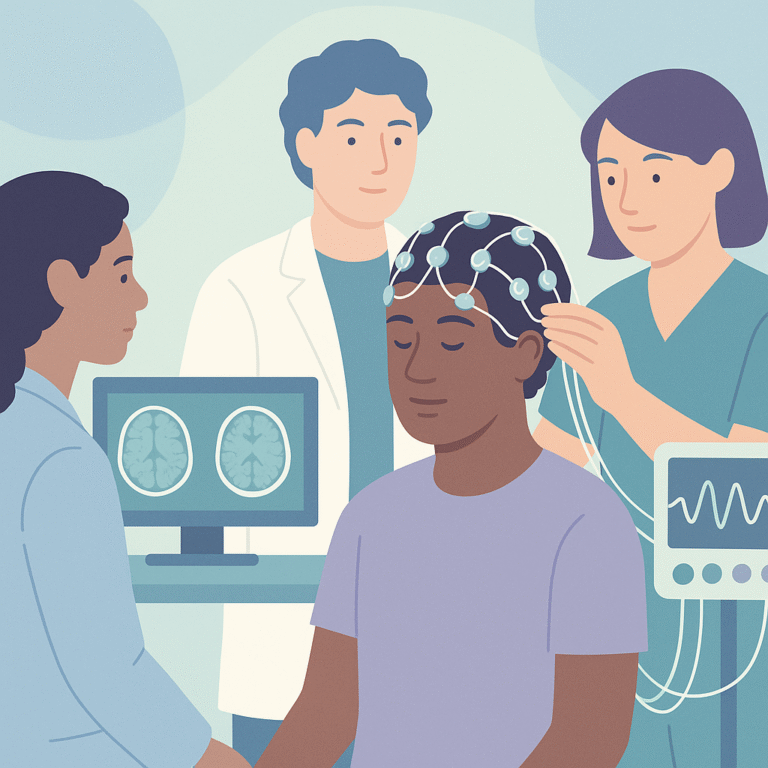
Researchers studied the use of two types of brain monitoringβscalp EEG (scEEG) and stereo EEG (SEEG)βin patients with drug-resistant epilepsy.