Comorbidities | Devices & Neuromodulation | Epilepsy Research Summaries | Genetics | Imaging & EEG | New Studies
Seizure Prediction Shows Promise But Is Not Ready Yet
This paper is a review, not a new experiment.
This hub covers epilepsy devices and neuromodulation like VNS, RNS, and DBS, which are treatments that can reduce seizures when meds aren’t enough. Plain-language research summaries plus real-life pros/cons.
Some are used more often in adults, but pediatric use depends on the device, the case, and specialist guidance.
Often gradually. Improvement can build over months as settings are optimized.
Sometimes medication can be reduced, but many people still use meds alongside a device.
Sometimes yes, with device-specific rules. Always check the exact device guidelines first.

This paper is a review, not a new experiment.

This article is a conference summary, not a single clinical trial.

This paper is a review, not a new experiment.

This study looked at everyday functioning in children and teens with drug-resistant epilepsy who had palliative epilepsy surgery.

This study combined results from 39 published studies on responsive neurostimulation (RNS) in children and teens age 18 or younger with drug-resistant epilepsy.

This paper describes the protocol, regulatory structure, and supportive preliminary data for two ongoing multicenter prospective natural history studies in people with STXBP1-related disorder and SYNGAP1-related disorder.

This study looked at whether children had a higher chance of neurodevelopmental disorders if their father used valproate during the 3 months before conception, which is the time period used in the study to represent spermatogenesis.
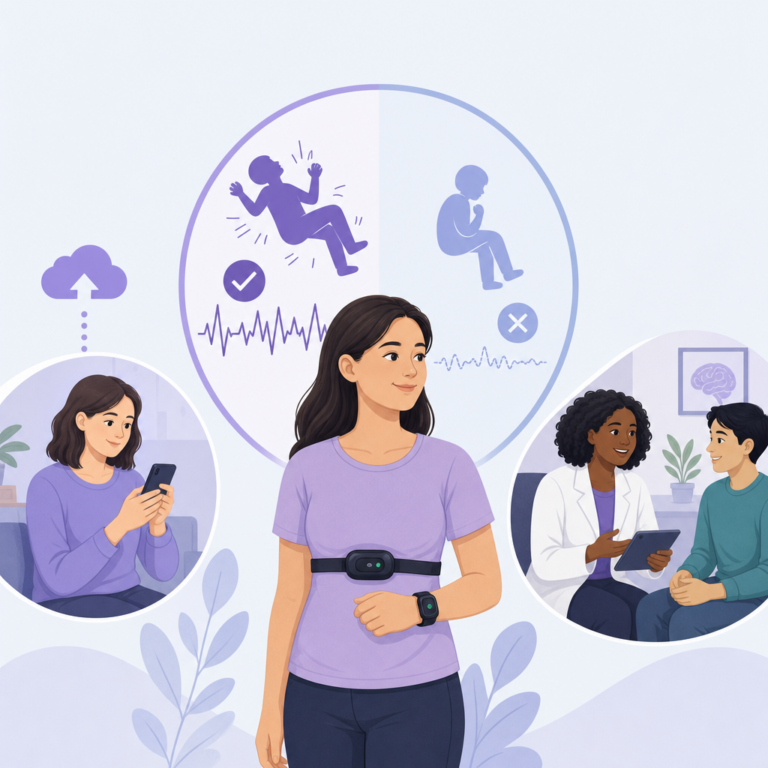
This paper reviewed and combined results from earlier studies on wearable devices that try to detect seizures.

This study looked at how pediatric neurologists in Japan report using and prescribing rescue medicine before a child reaches the hospital for status epilepticus, which is a seizure emergency.