Devices & Neuromodulation | Epilepsy Research Summaries | Genetics | New Studies | Safety & First Aid
Earlier Cenobamate May Help Adults With Focal Epilepsy
This paper was a structured expert review, not a new clinical trial.
This hub covers epilepsy devices and neuromodulation like VNS, RNS, and DBS, which are treatments that can reduce seizures when meds aren’t enough. Plain-language research summaries plus real-life pros/cons.
Some are used more often in adults, but pediatric use depends on the device, the case, and specialist guidance.
Often gradually. Improvement can build over months as settings are optimized.
Sometimes medication can be reduced, but many people still use meds alongside a device.
Sometimes yes, with device-specific rules. Always check the exact device guidelines first.

This paper was a structured expert review, not a new clinical trial.

This paper was a review, not a new experiment.
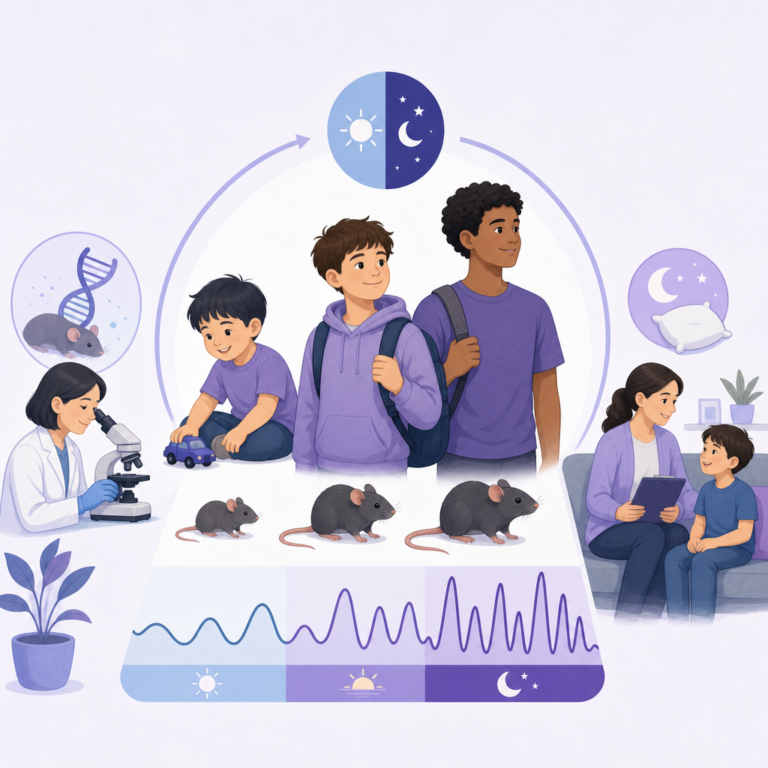
Researchers studied rest-activity patterns in two genetic mouse models relevant to autism spectrum disorder and epilepsy: Syn2 knockout mice and Cntnap2 knockout mice.

This study looked at late-onset epileptic spasms, which means epileptic spasms starting after 12 months of age.

This study looked at national prescription data in Germany from 2000 to 2024 to examine how often anti-seizure medicines were prescribed and how their prices changed over time.

Researchers evaluated how useful next-generation sequencing was for identifying genetic causes of epilepsy in 250 children in Turkey whose epilepsy did not have a known cause.

Researchers looked at what happens in the brain right as a seizure starts.

Researchers looked back at blood test records from a large laboratory network in the West Bank, Palestine.

This study looked at whether a brain signal called slow gamma activity in the anterior nucleus of the thalamus (ANT) might help indicate whether deep brain stimulation (DBS) is working for people with drug-resistant epilepsy.