Enhancing Motor Recovery After Hemispherectomy with Neuromodulation
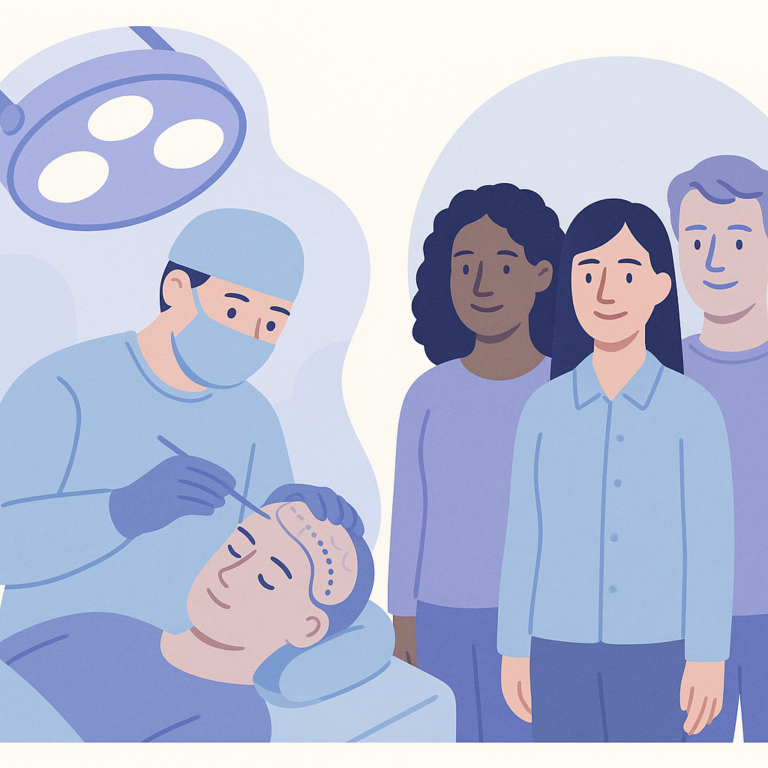
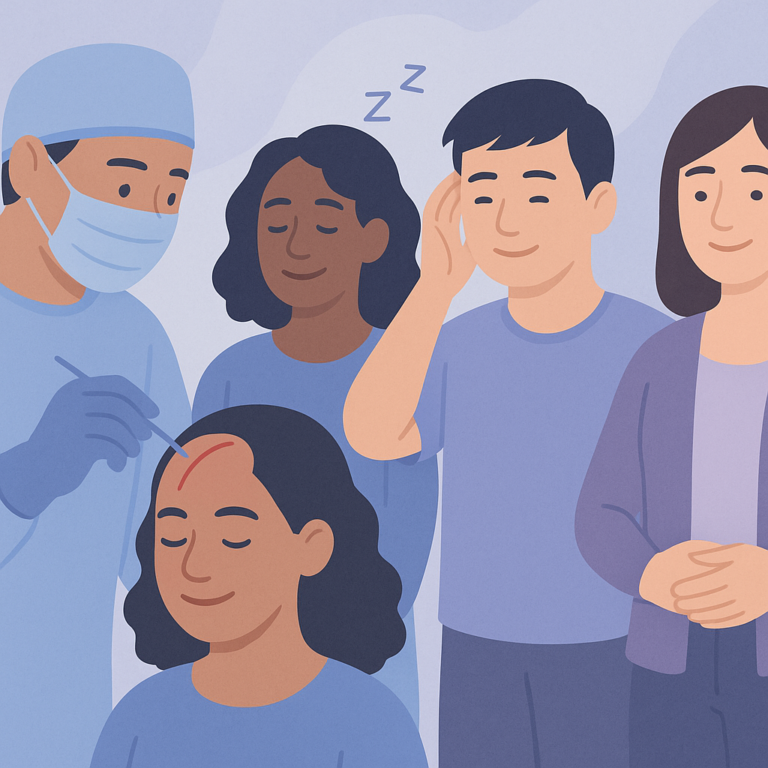
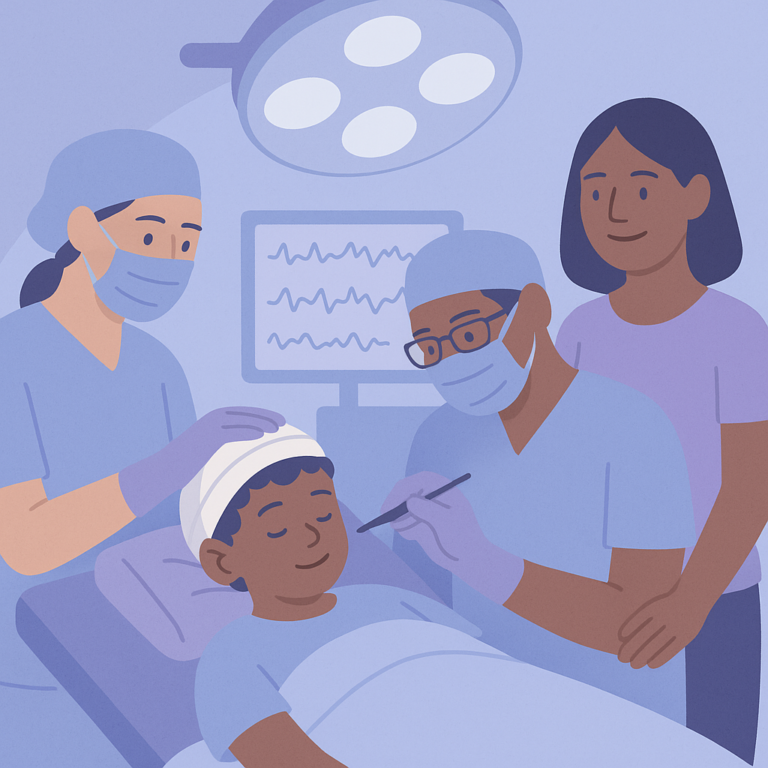
Researchers studied children with severe epilepsy who underwent a procedure called hemispherectomy, where one side of the brain is removed or disconnected to control seizures.
This hub covers epilepsy devices and neuromodulation like VNS, RNS, and DBS, which are treatments that can reduce seizures when meds aren’t enough. Plain-language research summaries plus real-life pros/cons.
Some are used more often in adults, but pediatric use depends on the device, the case, and specialist guidance.
Often gradually. Improvement can build over months as settings are optimized.
Sometimes medication can be reduced, but many people still use meds alongside a device.
Sometimes yes, with device-specific rules. Always check the exact device guidelines first.
Researchers studied children with severe epilepsy who underwent a procedure called hemispherectomy, where one side of the brain is removed or disconnected to control seizures.
Researchers studied the use of right vagal nerve stimulation (R-VNS) as a treatment for epilepsy, focusing on patients who had not responded well to other therapies.
A study was conducted to look at how effective vagus nerve stimulation (VNS) is for treating children with hard-to-control epilepsy, specifically those who have myoclonic seizures.
A recent study looked at how anti-seizure medications (ASMs) are used and their costs for children in France from 2014 to 2023.
Researchers studied a technique called external trigeminal nerve stimulation (eTNS) to see how it might help with various neuropsychiatric disorders.
The I-ACQUIRE Phase 3 trial studied infants and toddlers aged 8 to 36 months who had experienced perinatal arterial ischemic stroke, which can lead to movement difficulties and other disabilities.
Researchers studied 47 patients with drug-resistant temporal lobe epilepsy and hippocampal sclerosis who were undergoing surgery to help control their seizures.
Researchers studied the effects of a treatment called continuous hippocampal deep brain stimulation (Hip-DBS) on memory and cognitive function in patients with drug-resistant temporal lobe epilepsy (TLE).
This study looked at the role of genetic testing in children with expressive language delay (ELD), a condition where kids have trouble expressing themselves verbally.