IVIG May Reduce Seizures In Some Children
This study looked at whether intravenous immunoglobulin, called IVIG, might help children with drug-resistant epilepsy.
This hub covers drug-resistant epilepsy: When seizures aren’t controlled after trying two appropriate medicines. Research-backed next steps on diet therapies, devices, surgery evaluation, and safety.
If seizures aren’t controlled after two meds, it’s worth at least an evaluation at an epilepsy center.
Not necessarily. Some familiar consider it earlier depending on seizure type and goals.
Yes. Treatment response can change over time, and combinations/approaches matter.
Seizure frequency, triggers, sleep, missed meds, side effects, and rescue med use.
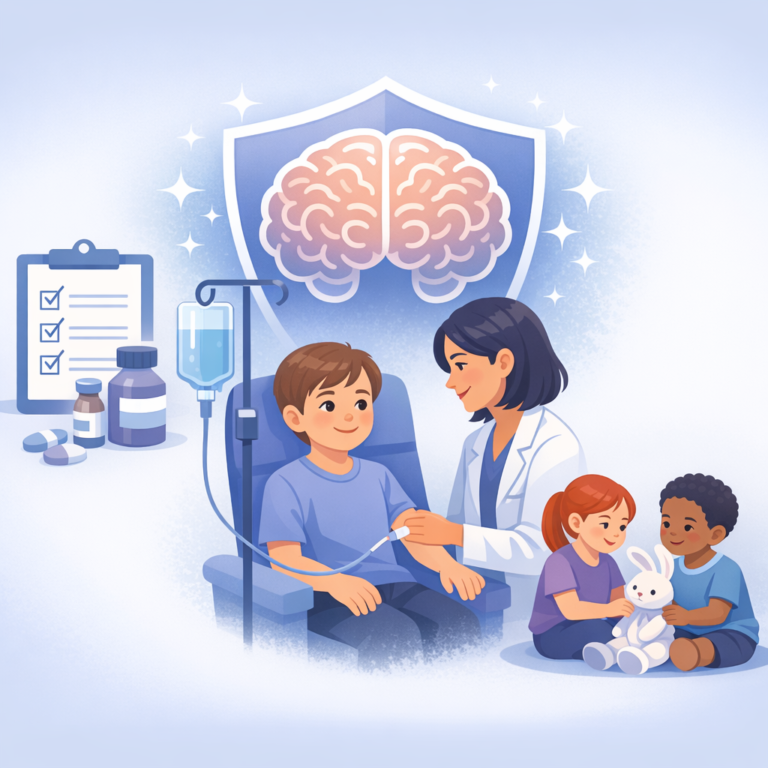
This study looked at whether intravenous immunoglobulin, called IVIG, might help children with drug-resistant epilepsy.

This exploratory pilot study looked at whether certain MRI features of a brain malformation called focal cortical dysplasia type II (FCD II) were linked with neuropsychological functioning in children and teens with pharmacoresistant epilepsy.

This paper was a systematic review with pooled analysis of studies on deep brain stimulation (DBS) in the thalamus for adults with drug-resistant epilepsy.

This study looked at how people with epilepsy in Germany were treated and referred through the healthcare system.
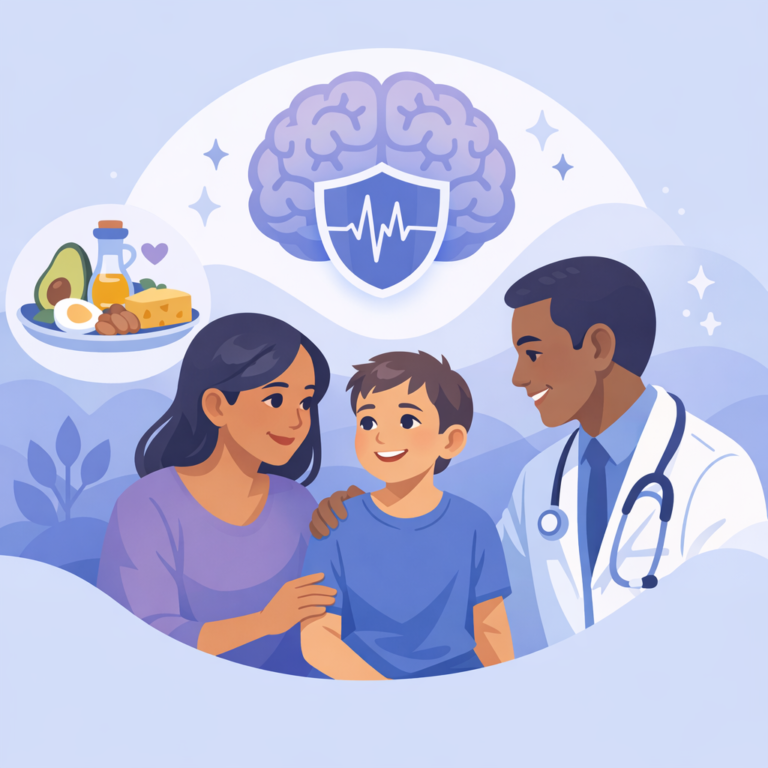
This retrospective cohort study looked at children with super refractory status epilepticus (SRSE) who were started on the ketogenic diet at one center from 2009 to 2024.

Researchers examined KCNA2 variants in people with epilepsy, with special attention to spike-and-wave activation in sleep (SWAS), an EEG pattern seen during sleep.

This was a small early study of prescription cannabidiol (CBD, brand name Epidiolex) in 12 children and teens with refractory epilepsy.
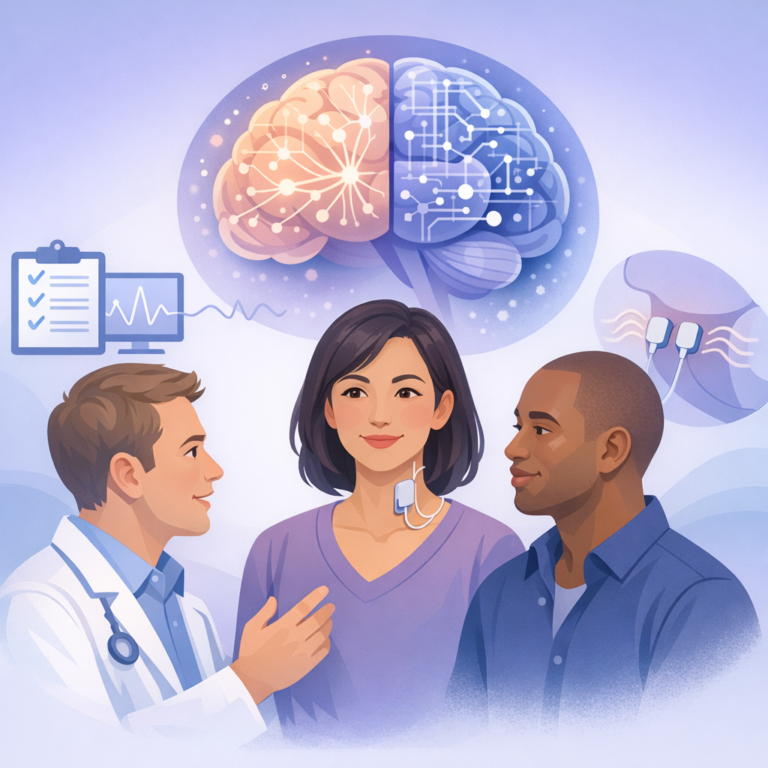
This study looked at whether personalized computer models of the brain could help explain why some children with drug-resistant epilepsy improve with vagus nerve stimulation, while others do not.
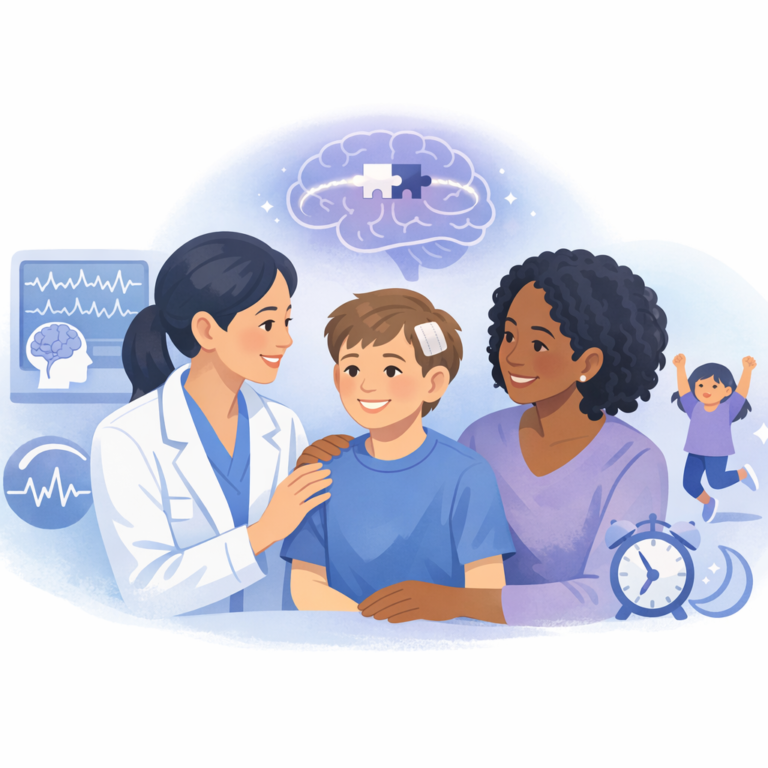
This study looked at children with epilepsy who had brain surgery to try to stop their seizures.