Genetic Testing Improves Diagnosis and Treatment of Infantile Epilepsy
Researchers studied three cases of infantile epilepsy, which is a type of epilepsy that affects babies from birth to two years old.
This hub covers epilepsy genetics: how gene changes can contribute to seizures (often in children). We translate studies on testing, results like VUS, and what findings may change for care.
No. It’s common in pediatrics, but adults can benefit from genetic testing, too, especially with unclear diagnosis or family history.
Sometimes. For certain conditions, results can guide medication choice, diet therapies, or referral decisions.
It usually means “not enough evidence yet.” It shouldn’t be treated as a definite cause, but it can be reclassified over time.
Not necessarily. Testing can miss some variants, and new gene links are still being discovered.

Researchers studied three cases of infantile epilepsy, which is a type of epilepsy that affects babies from birth to two years old.

Researchers studied how to better locate epileptogenic tubers (ETs) in patients with tuberous sclerosis complex (TSC), a condition that can cause epilepsy.

Researchers studied the connection between heart and breathing patterns during seizures in people with epilepsy, focusing on those who experienced sudden unexpected death in epilepsy (SUDEP) compared to those who did not.

This study looked at the genetic factors that might link migraine and epilepsy, two different neurological disorders that can occur together in some people.
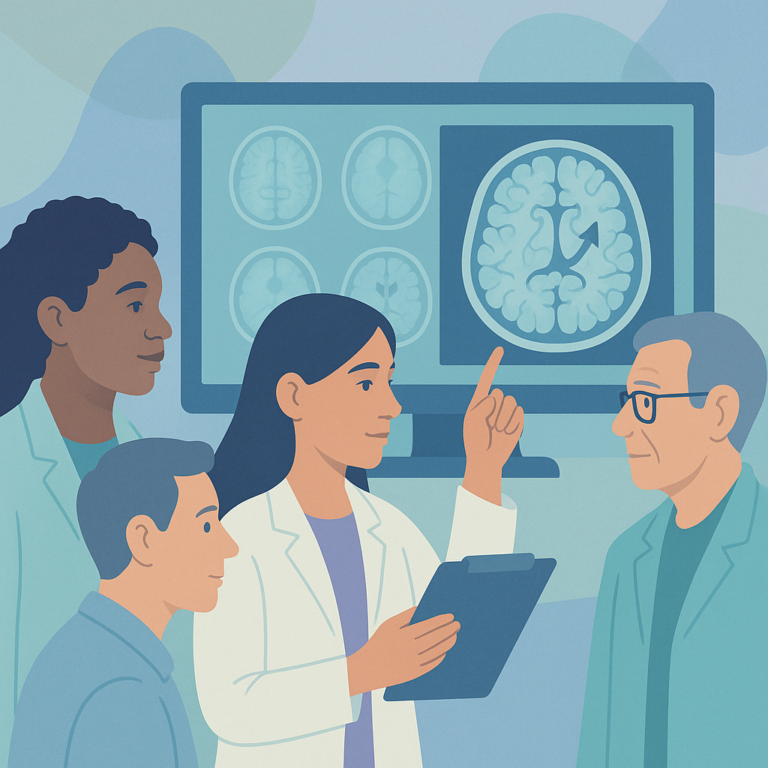
This study looked at how brain scans can help predict which patients with temporal lobe epilepsy (TLE) will become seizure-free after a specific type of surgery called laser interstitial thermal therapy (LITT).
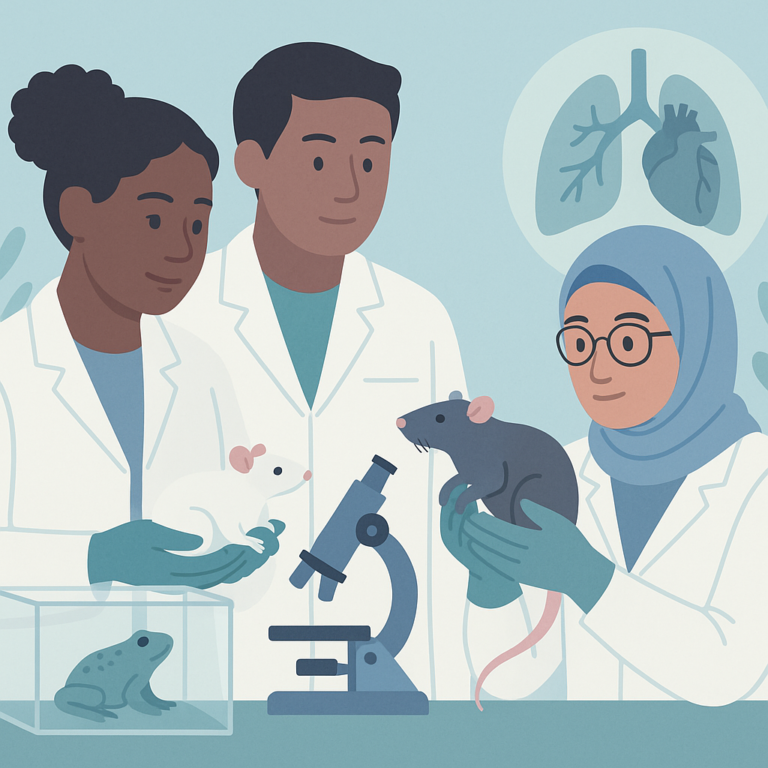
Researchers studied the use of animal models in medical research to understand how they help in developing treatments for various human diseases, including epilepsy.
This study looked at a specific genetic variant in a 7-year-old girl with epilepsy and developmental issues.
This study focused on Jordan syndrome, a rare condition caused by changes in the PPP2R5D gene.
This study looked at the genetic causes of infantile spasms in children under two years old in Peru.