Recovery Position for Seizures: Guidelines Are Conflicting
This study looked at how first aid guidelines recommend using the recovery position (RP) for people having generalized seizures.
This hub covers epilepsy genetics: how gene changes can contribute to seizures (often in children). We translate studies on testing, results like VUS, and what findings may change for care.
No. It’s common in pediatrics, but adults can benefit from genetic testing, too, especially with unclear diagnosis or family history.
Sometimes. For certain conditions, results can guide medication choice, diet therapies, or referral decisions.
It usually means “not enough evidence yet.” It shouldn’t be treated as a definite cause, but it can be reclassified over time.
Not necessarily. Testing can miss some variants, and new gene links are still being discovered.

This study looked at how first aid guidelines recommend using the recovery position (RP) for people having generalized seizures.
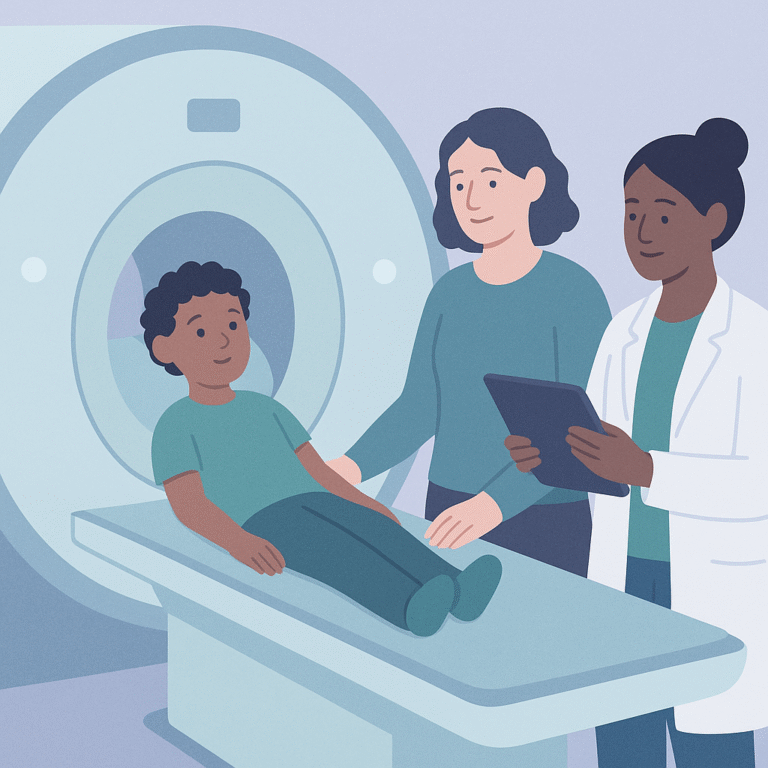
This study looked at how well ultra-high field 7T MRI works for children with drug-resistant focal epilepsy.

Researchers studied the link between diet quality and the likelihood of developing epilepsy using data from the National Health and Nutrition Examination Survey collected between 2013 and 2018.
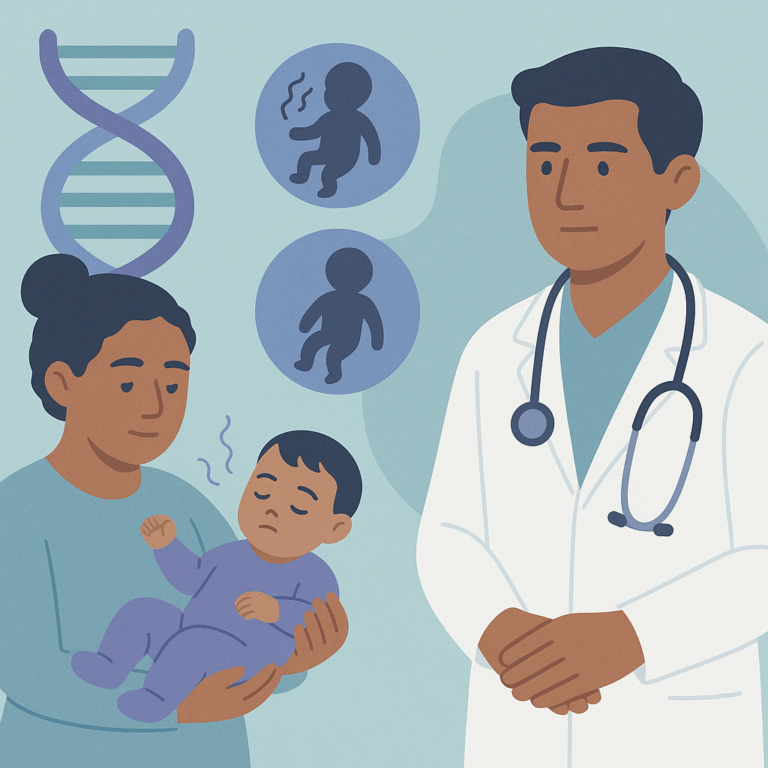
This study focused on a genetic variant in a gene called CCDC82 and its link to neurodevelopmental disorders, particularly in a young boy with serious health issues.
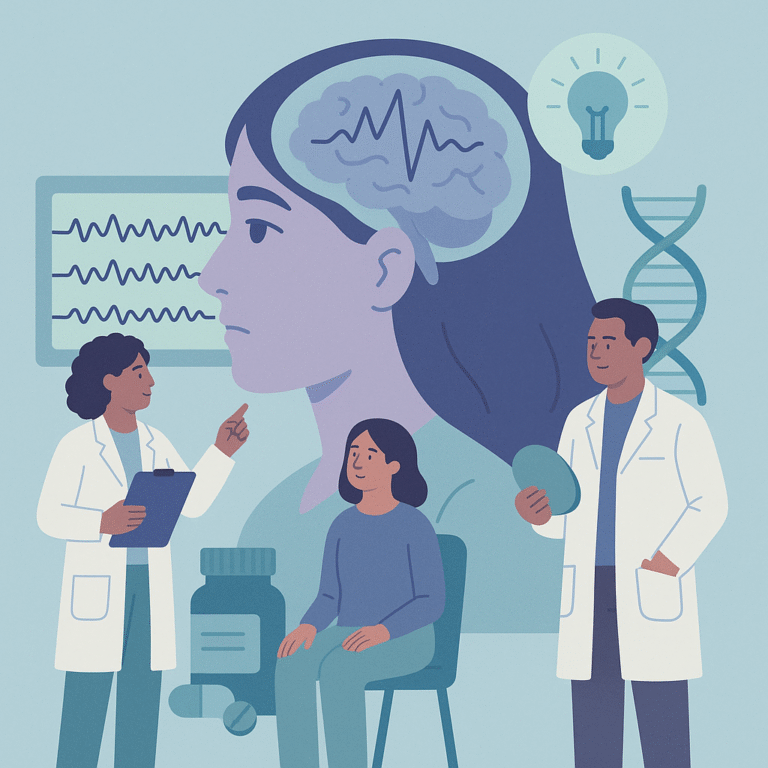
Researchers studied the effectiveness of antiseizure medications (ASMs) for treating epilepsy in children with Cyclin-dependent kinase-like 5 deficiency disorder (CDD), a serious condition that often leads to drug-resistant seizures.
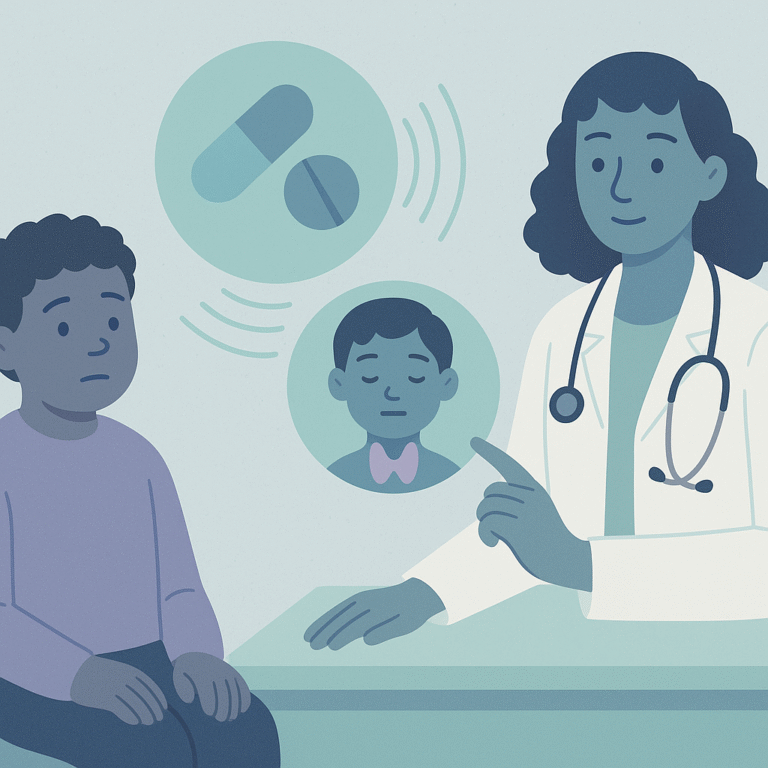
Researchers studied a young patient with epilepsy who was being treated with a medication called valproate.
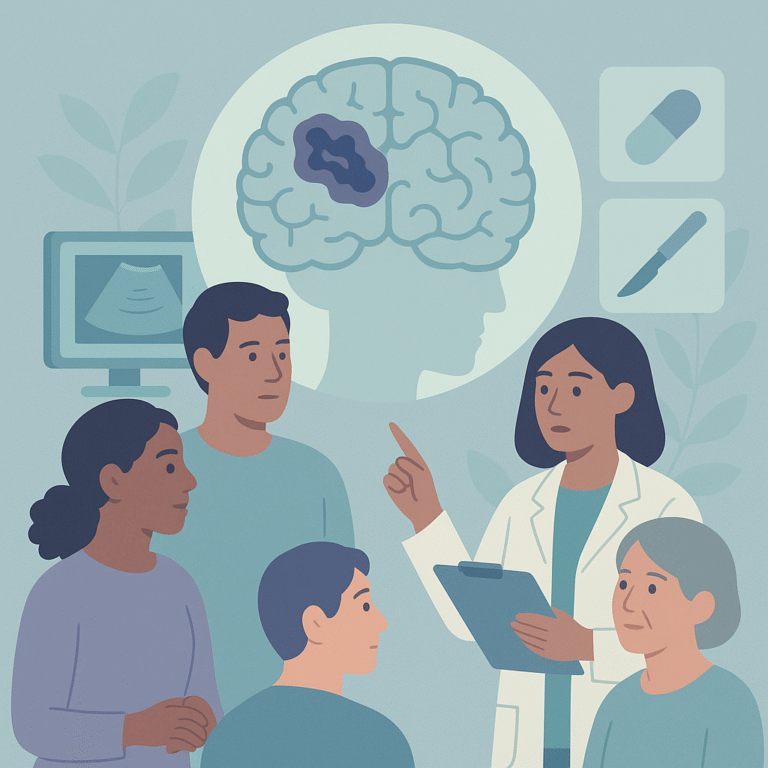
This study looked at how to best treat brain cavernomas, which are abnormal blood vessel clusters in the brain that can cause symptoms like seizures or bleeding.
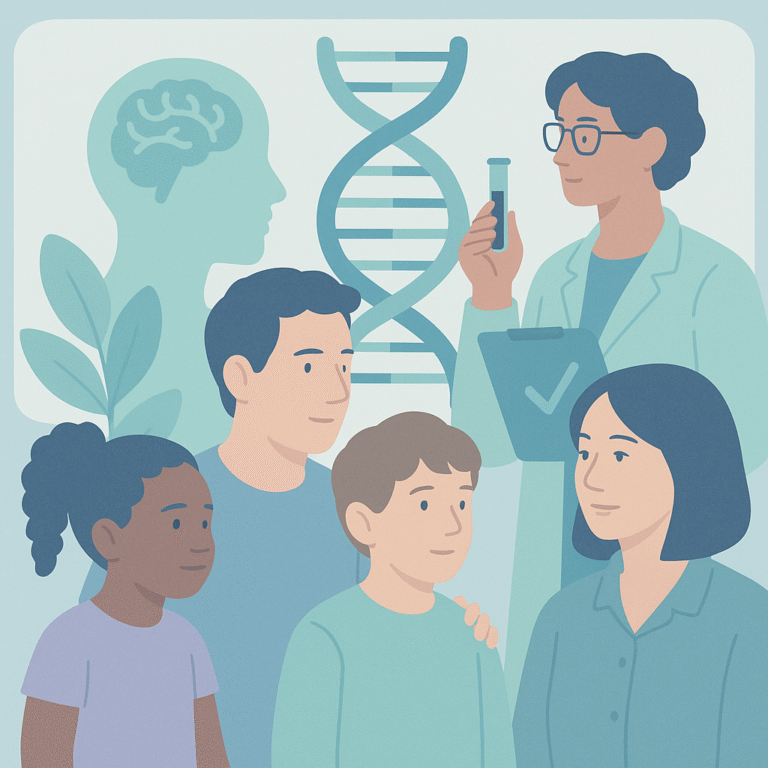
This study looked at how genetic testing is used to diagnose neurodevelopmental disorders (NDDs) in Israel, focusing on children born between 2000 and 2020.
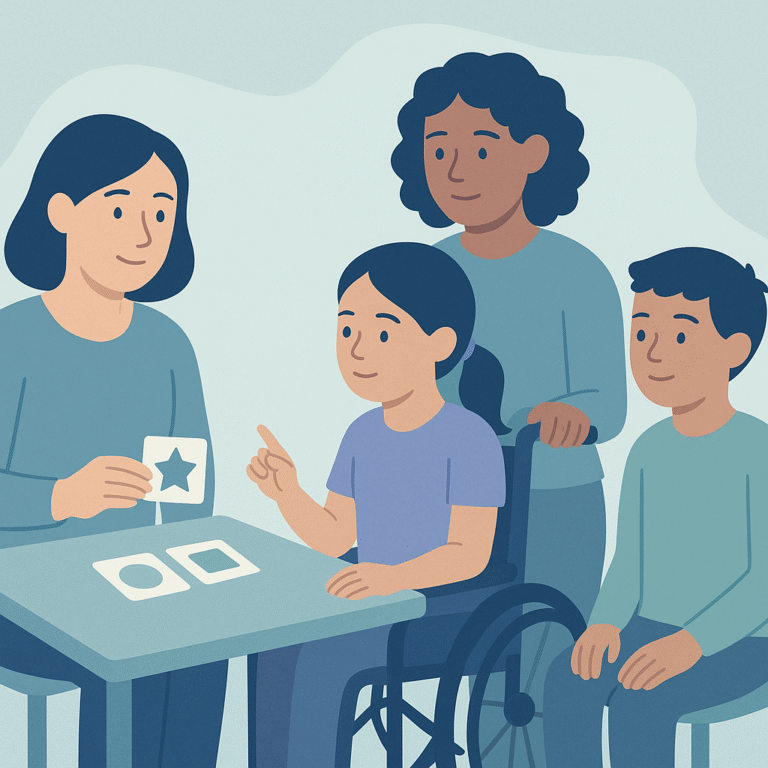
This study looked at how cognitive abilities are assessed in children with cerebral palsy (CP).