Lacosamide Linked To Higher Fracture Risk Than Levetiracetam
This study looked at whether fracture risk differed between two seizure medicines, lacosamide and levetiracetam, when each was used alone in adults with epilepsy.
This hub covers epilepsy genetics: how gene changes can contribute to seizures (often in children). We translate studies on testing, results like VUS, and what findings may change for care.
No. It’s common in pediatrics, but adults can benefit from genetic testing, too, especially with unclear diagnosis or family history.
Sometimes. For certain conditions, results can guide medication choice, diet therapies, or referral decisions.
It usually means “not enough evidence yet.” It shouldn’t be treated as a definite cause, but it can be reclassified over time.
Not necessarily. Testing can miss some variants, and new gene links are still being discovered.

This study looked at whether fracture risk differed between two seizure medicines, lacosamide and levetiracetam, when each was used alone in adults with epilepsy.

This report describes one infant with global developmental delay and refractory epilepsy associated with a TBC1D24 mutation.

This study looked at kidney stones and kidney calcium buildup in children with drug-resistant epilepsy who were treated with a ketogenic diet (KD) or a modified Atkins diet (MAD) at one hospital clinic.

This study looked at RHOBTB2-related disorders, which are rare genetic conditions linked to developmental problems, epilepsy, and movement symptoms.

This study looked at tubulinopathies, a group of neurodevelopmental disorders caused by changes in tubulin-related genes and microtubule-associated proteins.

This study looked at whether outside factors, not just the gene change itself, were linked with development in people with genetic neurodevelopmental disorders (NDDs).

This article is a conference summary, not a single clinical trial.

This study looked at everyday functioning in children and teens with drug-resistant epilepsy who had palliative epilepsy surgery.
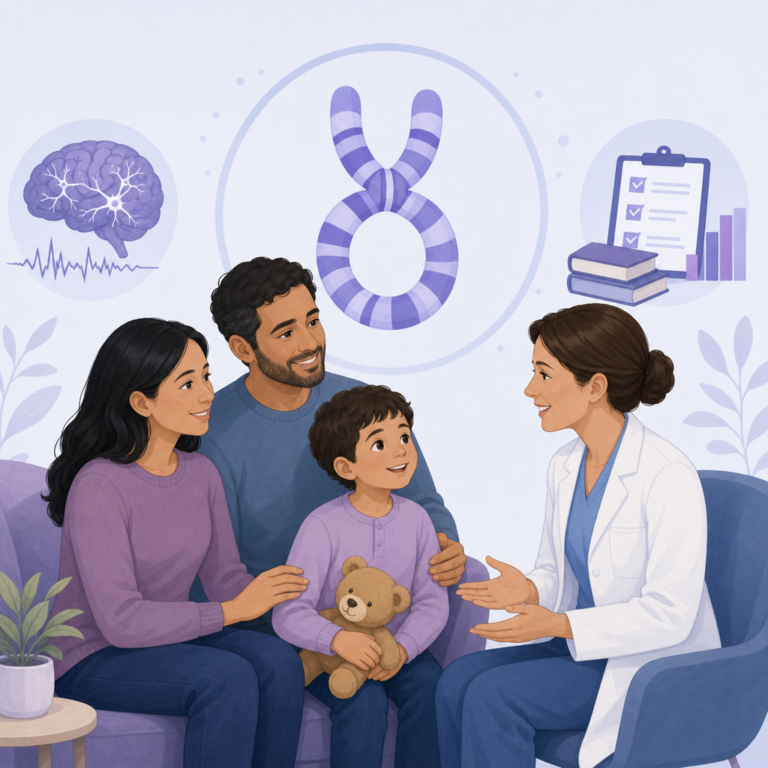
This paper was a systematic review, meaning the researchers gathered and summarized published reports about a rare genetic condition called ring chromosome 20 and the epilepsy linked to it.