Chinese Natural Remedies For Epilepsy Show Early Promise
This paper is a critical review, not a new experiment.
This hub covers epilepsy genetics: how gene changes can contribute to seizures (often in children). We translate studies on testing, results like VUS, and what findings may change for care.
No. It’s common in pediatrics, but adults can benefit from genetic testing, too, especially with unclear diagnosis or family history.
Sometimes. For certain conditions, results can guide medication choice, diet therapies, or referral decisions.
It usually means “not enough evidence yet.” It shouldn’t be treated as a definite cause, but it can be reclassified over time.
Not necessarily. Testing can miss some variants, and new gene links are still being discovered.

This paper is a critical review, not a new experiment.

This paper was a structured expert review, not a new clinical trial.

This study reviewed research on whether music interventions might help people with epilepsy with seizure outcomes or abnormal brain-wave events.
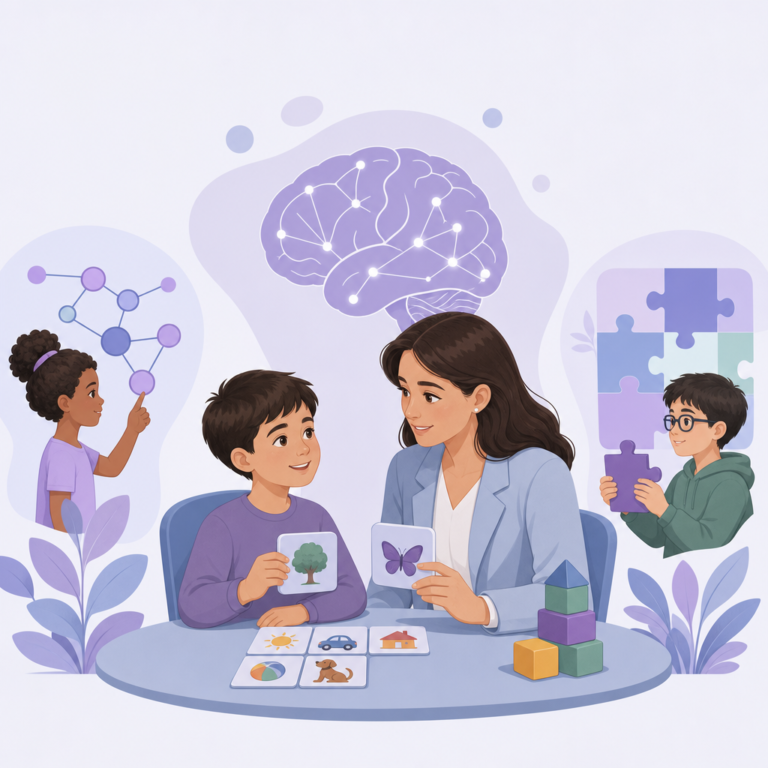
This paper was a systematic review, which means the authors gathered and summarized earlier studies rather than testing a new treatment.
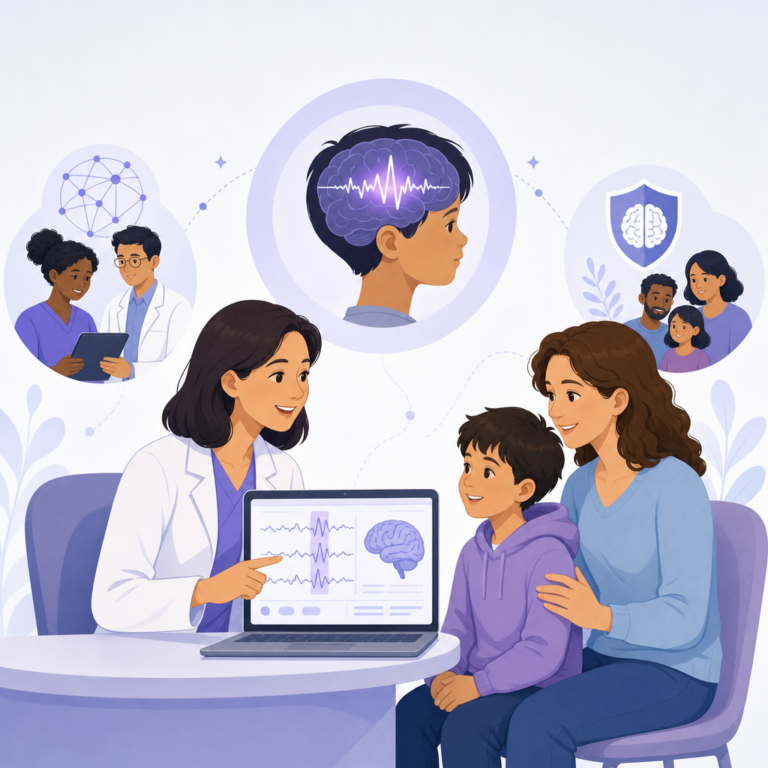
Researchers developed and tested a computer model to help identify self-limited epilepsy with centrotemporal spikes (SeLECTS), a common childhood epilepsy.

This study looked at copy number variants, also called CNVs, in 219 adults with developmental and epileptic encephalopathy (DEE) who still did not have a diagnosis.
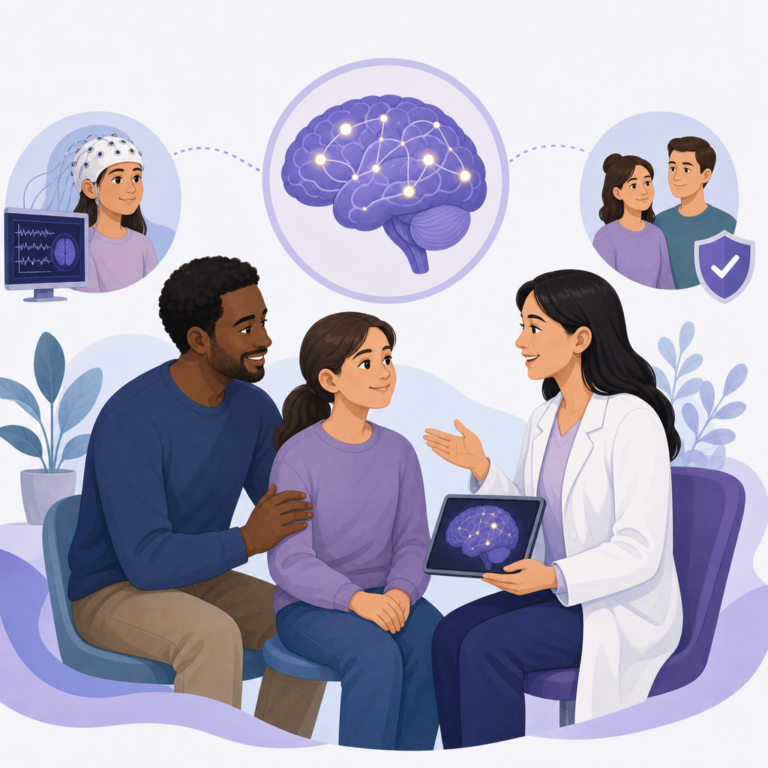
This study looked at children with tuberous sclerosis complex (TSC) who had drug-resistant epilepsy and underwent epilepsy surgery at one hospital.
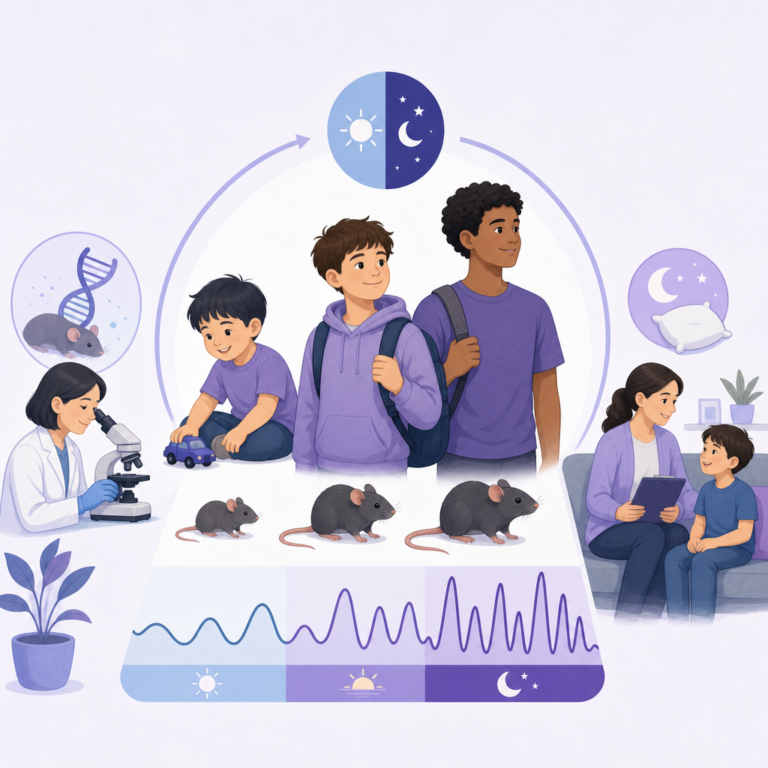
Researchers studied rest-activity patterns in two genetic mouse models relevant to autism spectrum disorder and epilepsy: Syn2 knockout mice and Cntnap2 knockout mice.

This study looked at cenobamate, a seizure medicine, used “off label” in children and teens with drug-resistant epilepsy.