Early Signs of Genetic Epilepsies Can Predict Outcomes
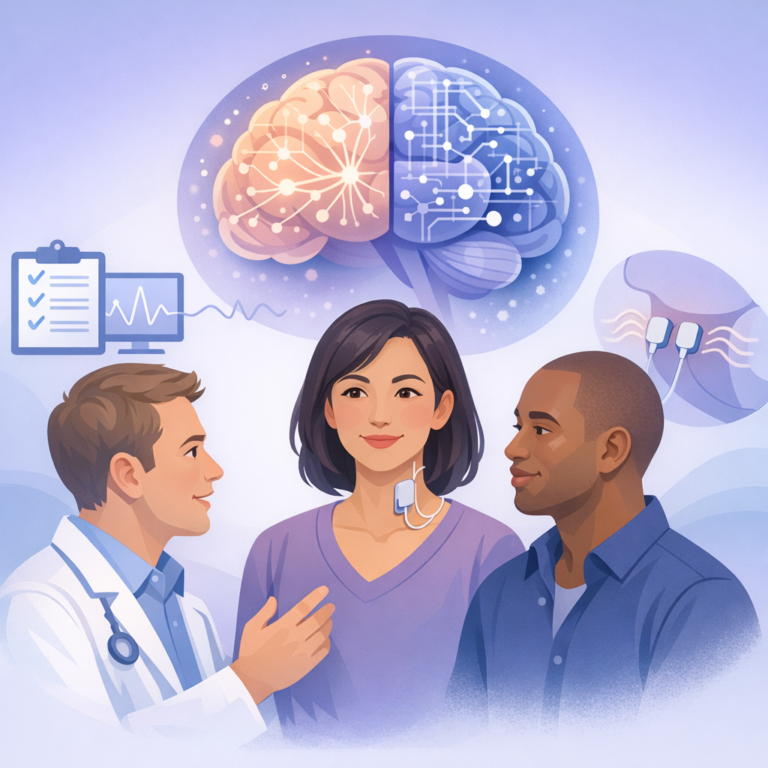
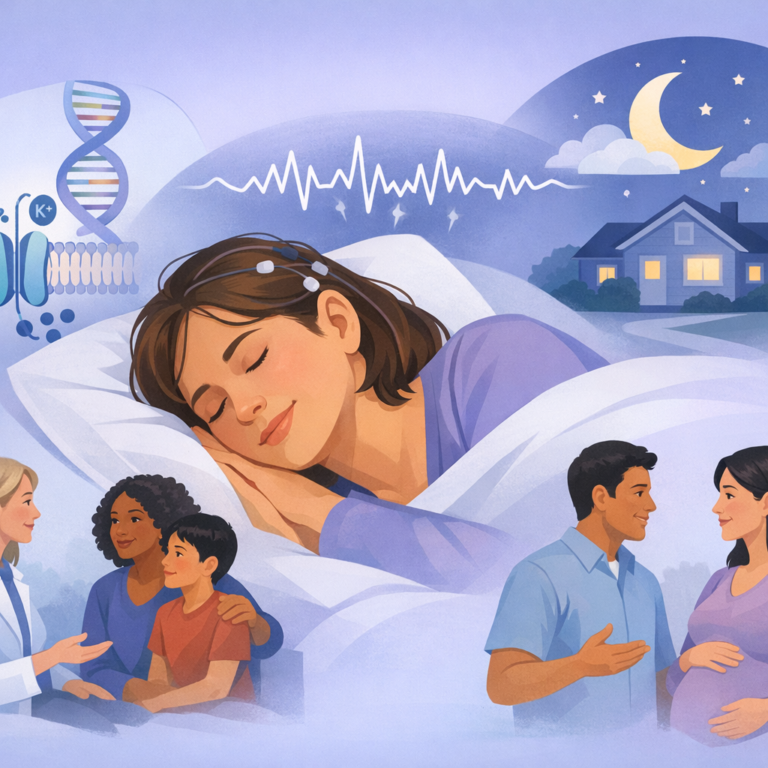
This study looked at how early clinical signs and EEG (brain wave) patterns relate to the outcomes of children with genetic epilepsies.
This hub covers epilepsy EEG and MRI: how EEGs and brain imaging help doctors understand seizure patterns and possible causes. Clear explanations of common findings and what research suggests.
Yes. EEGs are a snapshot. Some people need repeat EEGs, sleep-deprived EEGs, or long-term monitoring.
Not always. It raises suspicion and risk, but diagnosis still depends on the full story.
To look for structural causes like scars, malformations, tumors, and stroke-related changes, which can guide treatment.
An inpatient or extended study that records EEG and video together to match symptoms to brain activity.
This study looked at how early clinical signs and EEG (brain wave) patterns relate to the outcomes of children with genetic epilepsies.
Researchers studied how breathing patterns before seizures might relate to low oxygen levels after generalized convulsive seizures (GCS) in people with epilepsy.
Researchers studied how to detect and classify different types of seizures in children using advanced computer technology called deep learning.
This study looked at how certain brain activity signals, called biomarkers, can help predict how well invasive treatments for drug-resistant epilepsy (DRE) work.
Researchers studied neurocysticercosis (NCC), an infection caused by the larvae of the Taenia solium parasite, which affects the brain and is a major cause of epilepsy in certain regions.
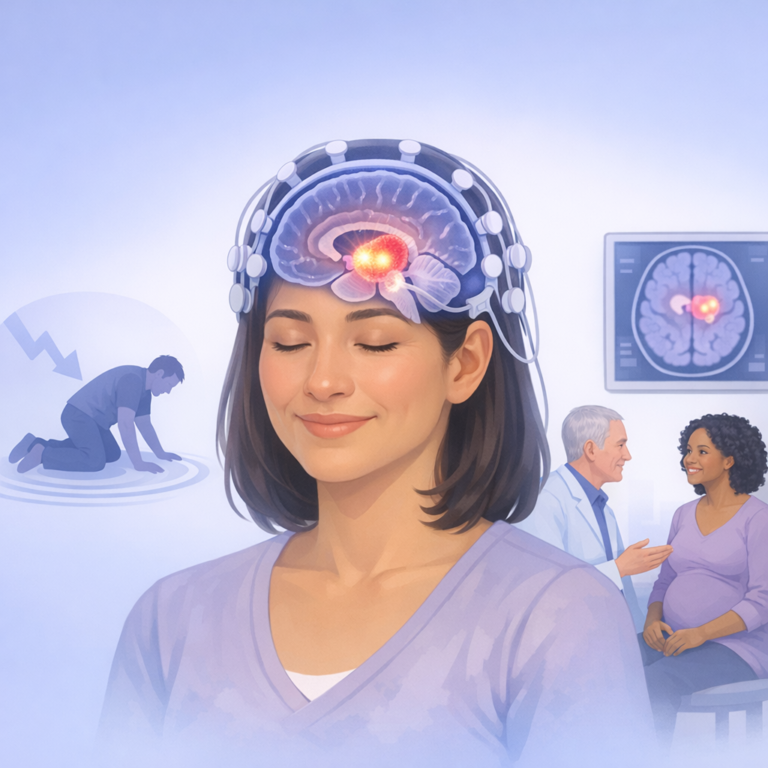
Researchers studied seizures that start in a part of the brain called the precuneus.
Researchers studied the effects of transcranial direct current stimulation (tDCS) on various psychiatric and neurological disorders, including epilepsy, major depressive disorder, schizophrenia, alcohol use disorder, stroke, and fibromyalgia.
Researchers studied the characteristics of epilepsy in patients with Muscle-Eye-Brain disease (MEB), a rare genetic condition that affects muscle and brain development.
Researchers studied genetic testing for epilepsy in families, focusing on patients who have epilepsy and at least one close relative with the condition.