Brain Wave Changes May Help Predict Epilepsy After Malaria
Researchers followed 186 children ages 6 months to 11 years in Chipata, Zambia who had confirmed central nervous system malaria.
This hub covers epilepsy EEG and MRI: how EEGs and brain imaging help doctors understand seizure patterns and possible causes. Clear explanations of common findings and what research suggests.
Yes. EEGs are a snapshot. Some people need repeat EEGs, sleep-deprived EEGs, or long-term monitoring.
Not always. It raises suspicion and risk, but diagnosis still depends on the full story.
To look for structural causes like scars, malformations, tumors, and stroke-related changes, which can guide treatment.
An inpatient or extended study that records EEG and video together to match symptoms to brain activity.
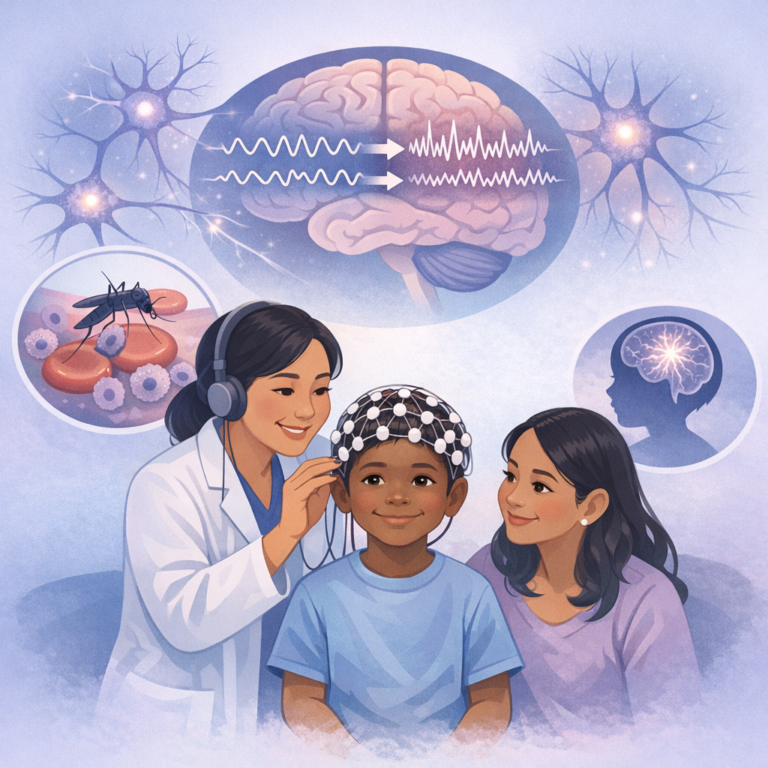
Researchers followed 186 children ages 6 months to 11 years in Chipata, Zambia who had confirmed central nervous system malaria.

This study looked at children and teens with variants in the COL4A1 or COL4A2 genes, which are associated with a disorder that can affect the brain and other organs.

This study investigated whether a daily probiotic might help children with medication-resistant epilepsy, meaning seizures were not effectively controlled by antiseizure medicines.
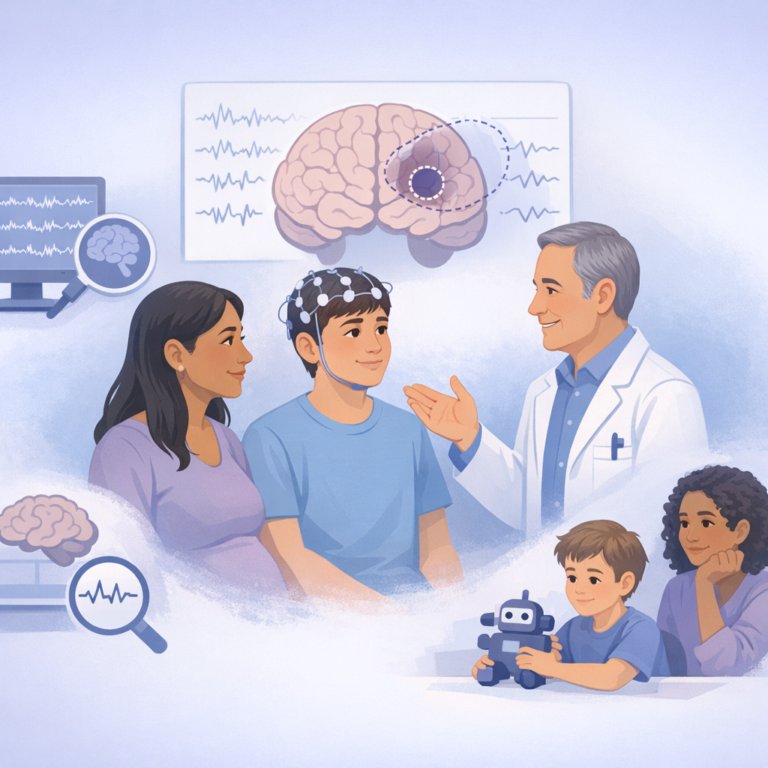
This study looked at how well scalp EEG findings matched the part of the brain that was later removed in epilepsy surgery.

This study looked at brivaracetam (BRV) used alone as the initial seizure medicine in patients with juvenile myoclonic epilepsy (JME).

This exploratory pilot study looked at whether certain MRI features of a brain malformation called focal cortical dysplasia type II (FCD II) were linked with neuropsychological functioning in children and teens with pharmacoresistant epilepsy.
Researchers looked at epilepsy, EEG results, and brain scan findings in 103 Norwegian children diagnosed with fetal alcohol spectrum disorder (FASD).
This article is a review of neonatal seizures, which are seizures that happen in newborn babies.

This study looked at lissencephaly, a group of brain development conditions where the brain surface is smoother than usual because nerve cells did not move to the right place during pregnancy.