Home Videos May Help Diagnose Seizures After Unclear EEG
This study looked at whether home or “stand-alone” videos could help after an inpatient EEG-video monitoring stay did not capture the event doctors were trying to diagnose.
This hub covers epilepsy EEG and MRI: how EEGs and brain imaging help doctors understand seizure patterns and possible causes. Clear explanations of common findings and what research suggests.
Yes. EEGs are a snapshot. Some people need repeat EEGs, sleep-deprived EEGs, or long-term monitoring.
Not always. It raises suspicion and risk, but diagnosis still depends on the full story.
To look for structural causes like scars, malformations, tumors, and stroke-related changes, which can guide treatment.
An inpatient or extended study that records EEG and video together to match symptoms to brain activity.
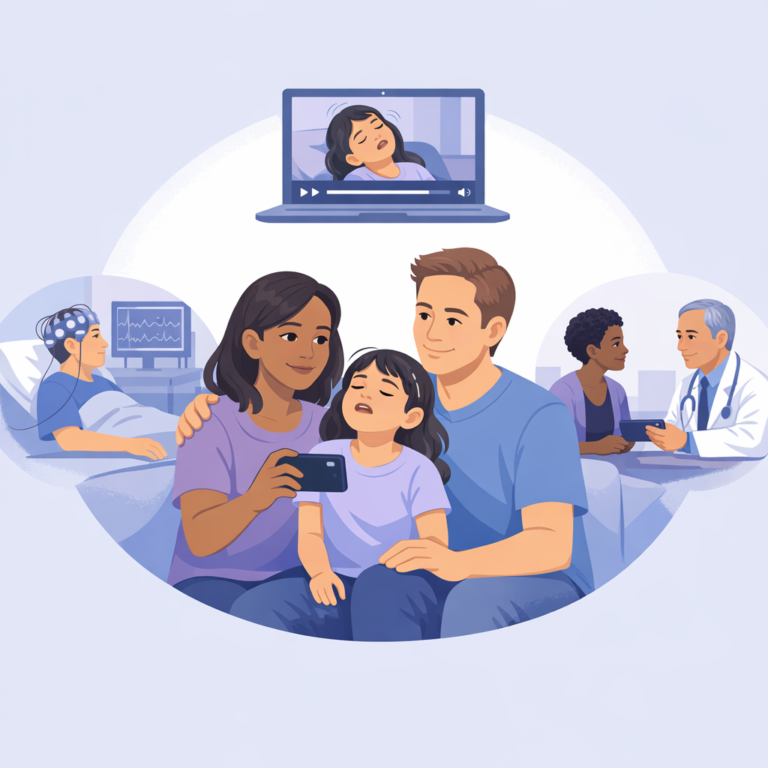
This study looked at whether home or “stand-alone” videos could help after an inpatient EEG-video monitoring stay did not capture the event doctors were trying to diagnose.
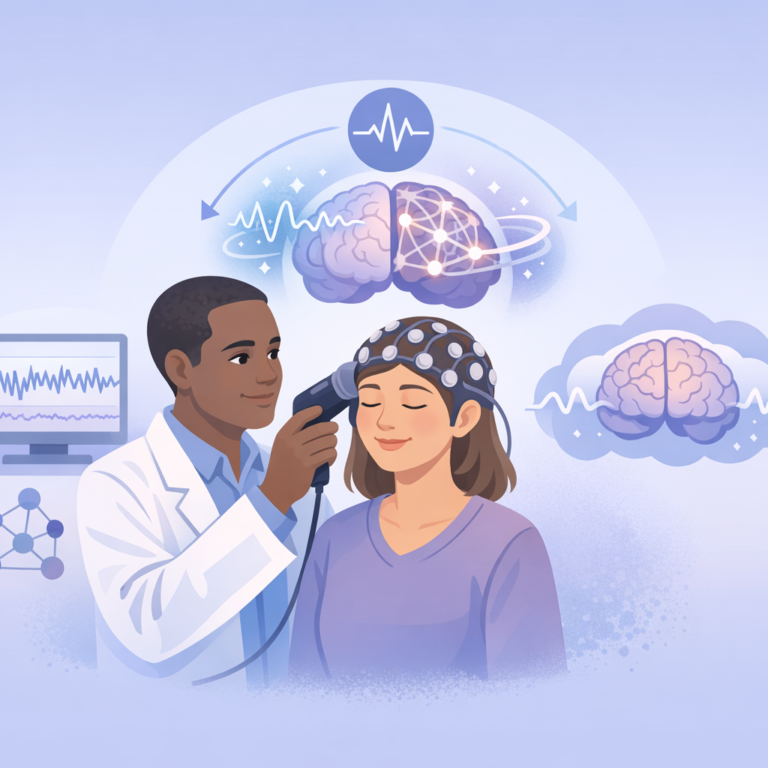
Researchers looked at whether the brain’s activity just before an electrical stimulation pulse can help explain why the response to that pulse changes from one trial to the next.
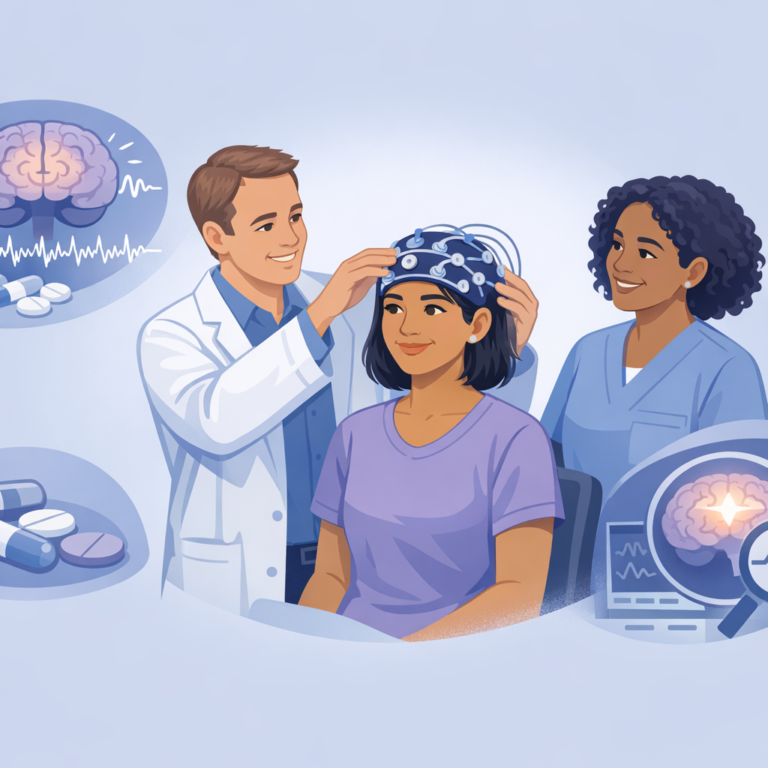
Researchers tested whether brain stimulation and brain-wave measures could detect the short-term effects of levetiracetam, an anti-seizure medicine, in people with generalized epilepsy.

This study looked at hemispheric surgery in infants with early drug-resistant epilepsy caused by hemimegalencephaly (HME) or hemispheric cortical dysplasia (HCD).
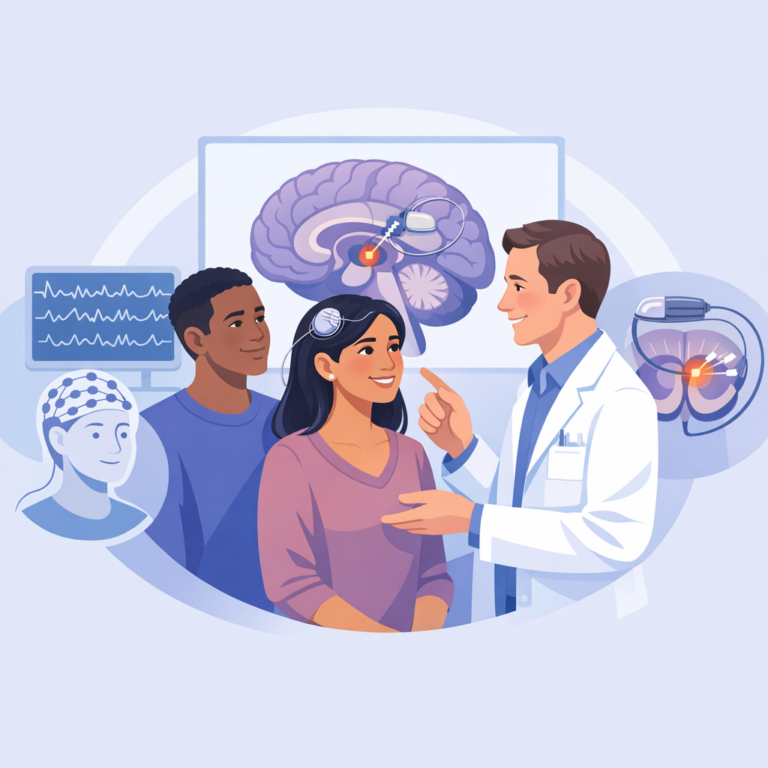
This paper is a review, not a report of new patient results.

This study looked at how quickly antiseizure medicines were reduced during hospital stays in an epilepsy monitoring unit (EMU), where video-EEG is used to record seizures for diagnosis and treatment planning.
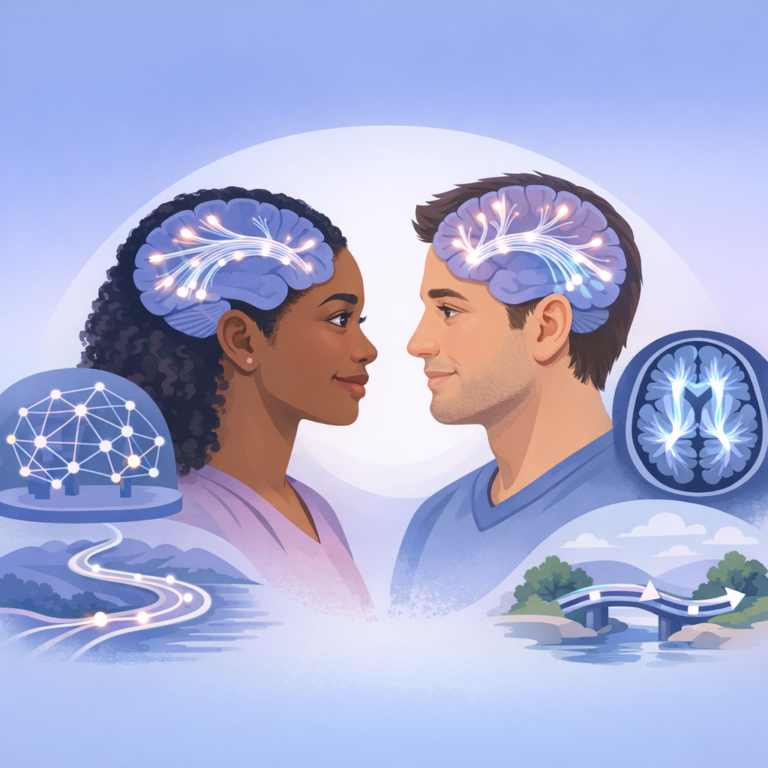
Researchers studied how brain activity spreads from one brain region to another, and whether similar patterns apply to both epilepsy-related activity and physiological spontaneous activity.
This paper was a systematic review, which means the researchers searched published medical reports rather than enrolling new patients.
This study looked at children with epilepsy related to focal cortical dysplasia (FCD).