Understanding Epilepsy Surgery Success Rates and Key Factors
Researchers studied the outcomes of epilepsy surgery by analyzing data from 5,588 patients across 385 studies.
This hub covers epilepsy EEG and MRI: how EEGs and brain imaging help doctors understand seizure patterns and possible causes. Clear explanations of common findings and what research suggests.
Yes. EEGs are a snapshot. Some people need repeat EEGs, sleep-deprived EEGs, or long-term monitoring.
Not always. It raises suspicion and risk, but diagnosis still depends on the full story.
To look for structural causes like scars, malformations, tumors, and stroke-related changes, which can guide treatment.
An inpatient or extended study that records EEG and video together to match symptoms to brain activity.
Researchers studied the outcomes of epilepsy surgery by analyzing data from 5,588 patients across 385 studies.
Researchers studied the outcomes of epilepsy surgery to understand what factors influence its success.
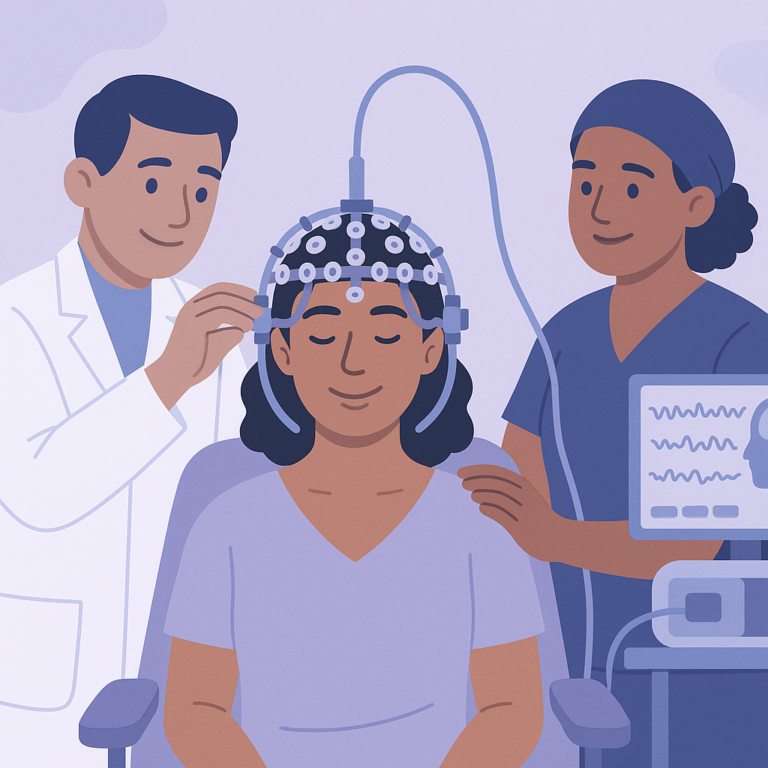
This study looked at how well a procedure called stereoelectroencephalography (sEEG) works for patients with epilepsy who do not respond to medication.
Researchers studied a rare condition called AFG2A-related encephalopathy (AFG2A-RE) by reviewing information from 51 individuals, including 45 from previous studies and 6 from their own recent observations.
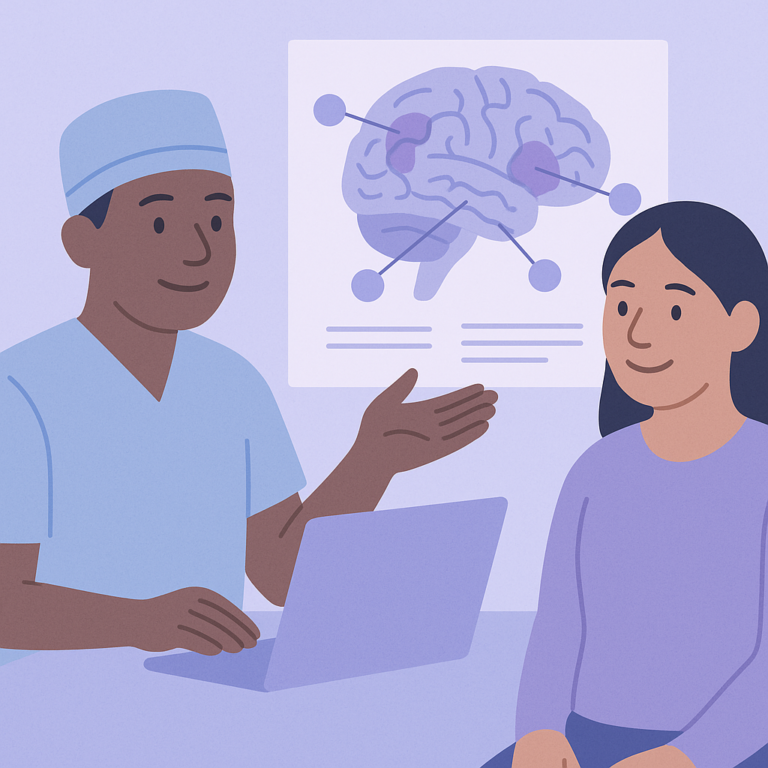
Researchers studied how language functions are mapped in the brains of patients with epilepsy who may need surgery.

Researchers studied two different treatments for people who have psychogenic nonepileptic seizures (PNES) and post-traumatic stress disorder (PTSD).
Researchers studied how caregivers manage epilepsy in children with juvenile-onset Huntington disease (JHD).
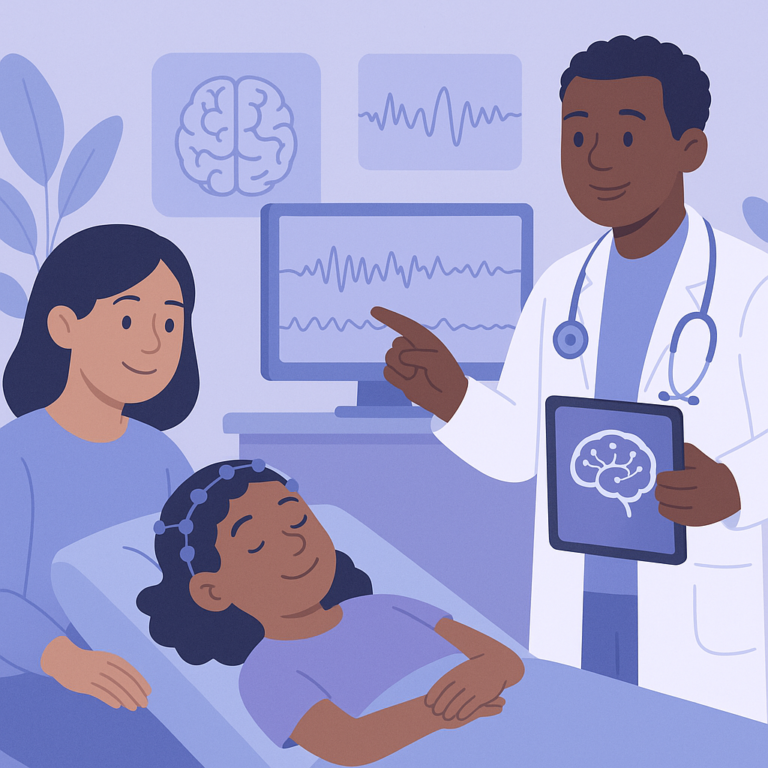
This study focused on developing an artificial intelligence (AI) tool to help detect epileptic spasms (ES) using a combination of video and brain wave data (EEG).
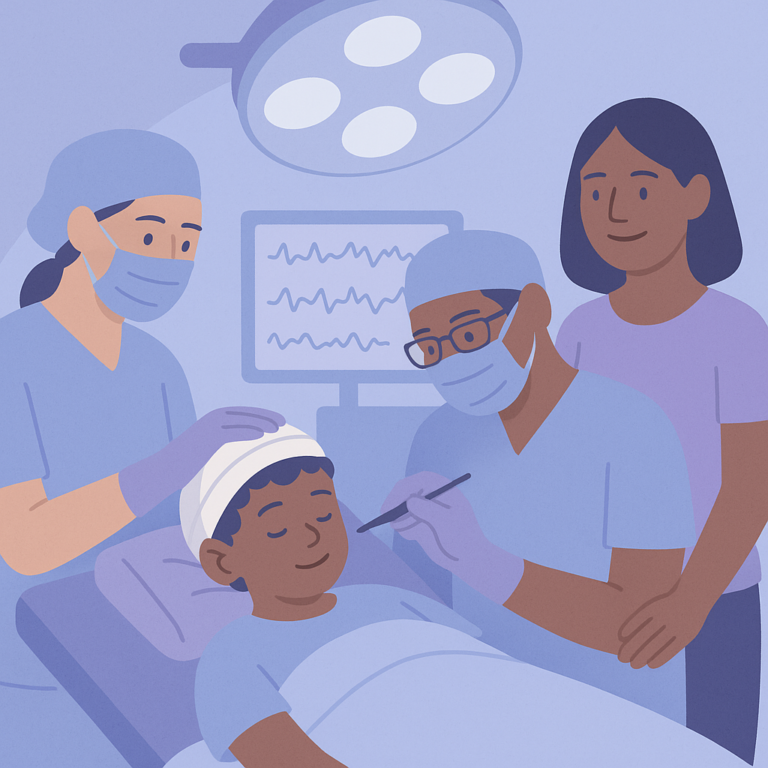
Researchers studied the outcomes of pediatric epilepsy surgery by examining data from 100 procedures performed on 62 children and young adults.