Blocking MiR-30a-5p May Help Slow Epilepsy Progression
This study looked at how a small genetic regulator called miR-30a-5p may be involved in epilepsy.
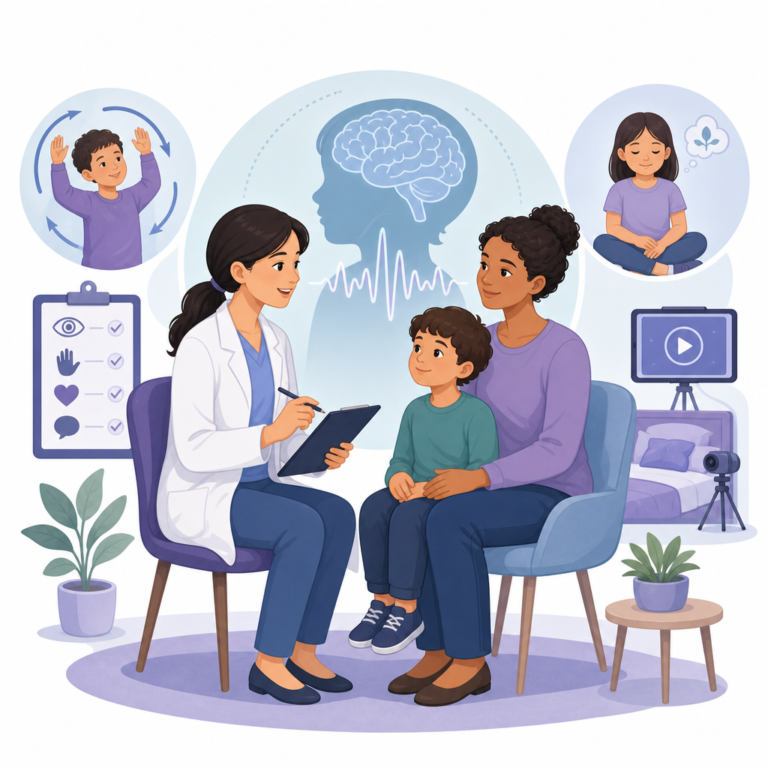
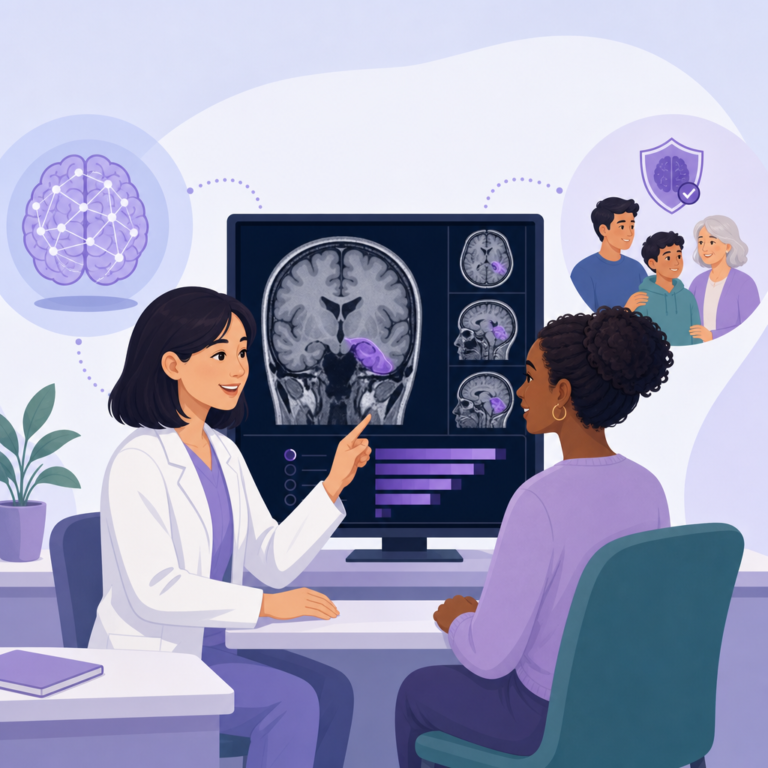
This hub covers epilepsy EEG and MRI: how EEGs and brain imaging help doctors understand seizure patterns and possible causes. Clear explanations of common findings and what research suggests.
Yes. EEGs are a snapshot. Some people need repeat EEGs, sleep-deprived EEGs, or long-term monitoring.
Not always. It raises suspicion and risk, but diagnosis still depends on the full story.
To look for structural causes like scars, malformations, tumors, and stroke-related changes, which can guide treatment.
An inpatient or extended study that records EEG and video together to match symptoms to brain activity.
This study looked at how a small genetic regulator called miR-30a-5p may be involved in epilepsy.
This study looked at whether people with epilepsy have higher levels of tau, a protein linked to brain disease, even when they do not have dementia.
This study looked at whether certain blood antibodies linked to the immune system could be found in children with focal epilepsy.
This study looked at whether personalized music played all night might help children with epilepsy.
This case report looked at brain blood flow during myoclonic-atonic seizures in one child.
This study looked at how a single session of exercise may change brain activity linked to memory.
This study looked at how sleep relates to thinking skills and later dementia risk in people with focal epilepsy.
This study was a systematic review, meaning the researchers combined results from many earlier studies.
This paper is a review article about abdominal epilepsy in children.