How Brain Network Tools Are Used In Epilepsy
This paper is a methodology review, not a study of patients testing one treatment or one test.
This hub covers epilepsy EEG and MRI: how EEGs and brain imaging help doctors understand seizure patterns and possible causes. Clear explanations of common findings and what research suggests.
Yes. EEGs are a snapshot. Some people need repeat EEGs, sleep-deprived EEGs, or long-term monitoring.
Not always. It raises suspicion and risk, but diagnosis still depends on the full story.
To look for structural causes like scars, malformations, tumors, and stroke-related changes, which can guide treatment.
An inpatient or extended study that records EEG and video together to match symptoms to brain activity.
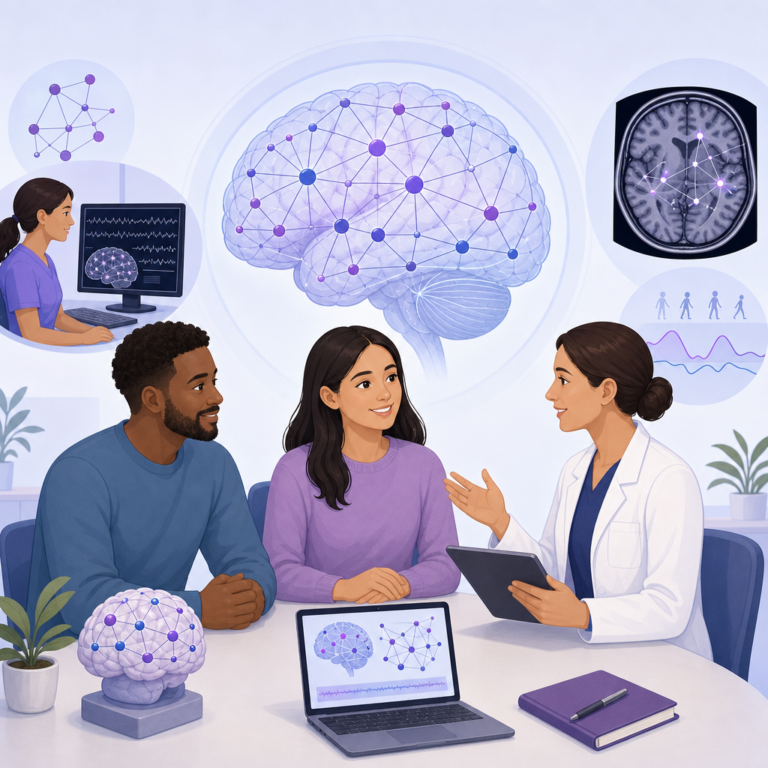
This paper is a methodology review, not a study of patients testing one treatment or one test.

This paper described one infant boy with Ververi-Brady syndrome who presented with infantile epileptic spasms syndrome.

This paper was a systematic review, which means the authors gathered and analyzed results from earlier studies rather than testing one new device in patients.

Researchers looked for extremely fast brain-wave events in people with drug-resistant epilepsy.

This study looked at whether resting-state functional MRI (rs-fMRI) could help identify language lateralization before epilepsy surgery.

This study looked at whether magnetoencephalographic source imaging (MSI) adds diagnostic value for finding the brain area where seizures start in people with drug-resistant focal epilepsy.
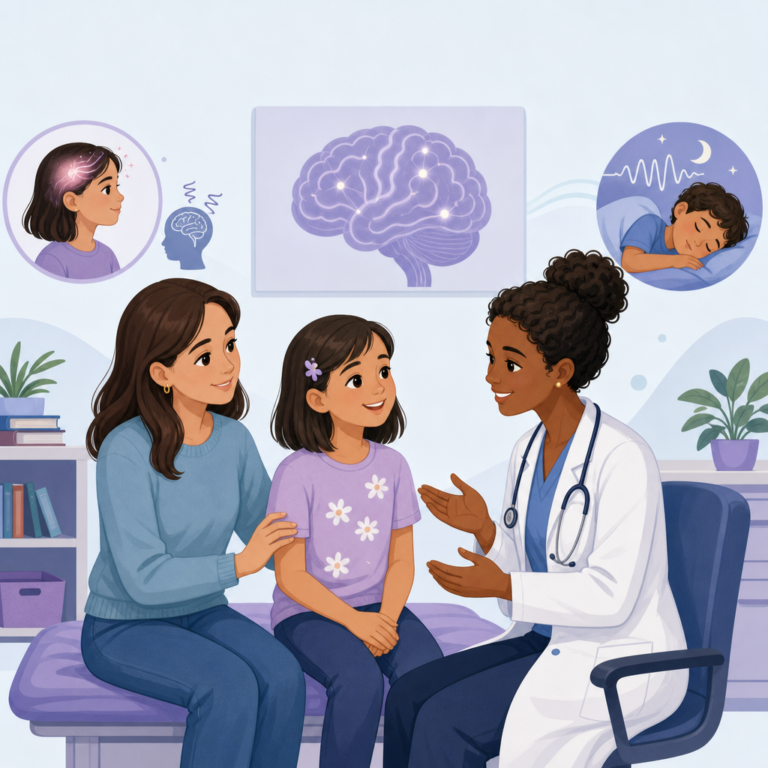
This study looked at whether some children sent to a pediatric neurology clinic for “migraine” or “headache” might actually have self-limited epilepsy with autonomic seizures (SeLEAS), also called Panayiotopoulos syndrome.

This study looked at how specialized Italian neuroscience and neuro-rehabilitation centers organize care for people with brain tumour-related epilepsy.
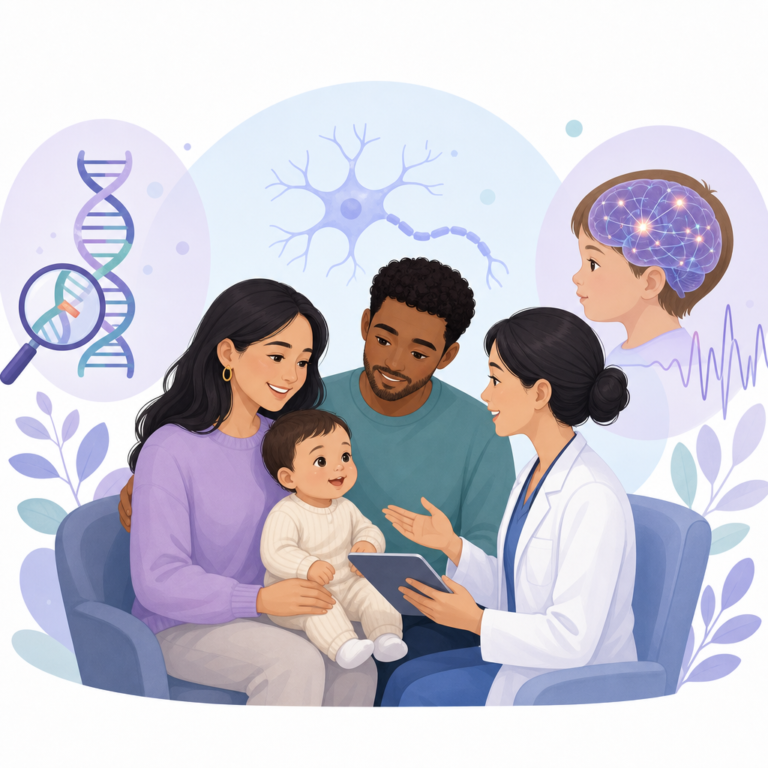
This study looked at KCNT1-related epilepsy in infancy.