New Brain Scans May Better Guide Epilepsy Surgery
This paper is a review, not a new experiment.
This hub covers epilepsy EEG and MRI: how EEGs and brain imaging help doctors understand seizure patterns and possible causes. Clear explanations of common findings and what research suggests.
Yes. EEGs are a snapshot. Some people need repeat EEGs, sleep-deprived EEGs, or long-term monitoring.
Not always. It raises suspicion and risk, but diagnosis still depends on the full story.
To look for structural causes like scars, malformations, tumors, and stroke-related changes, which can guide treatment.
An inpatient or extended study that records EEG and video together to match symptoms to brain activity.
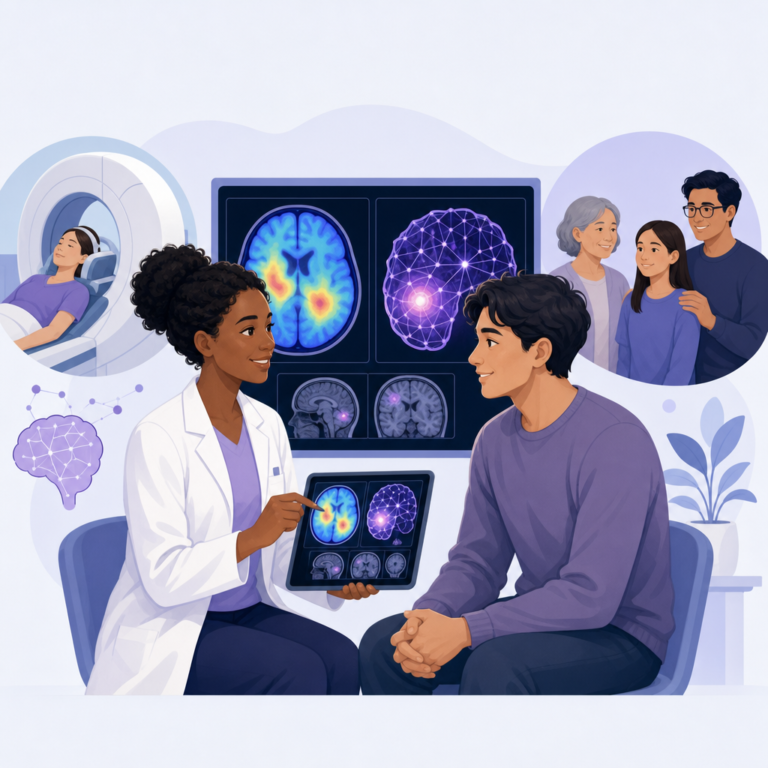
This paper is a review, not a new experiment.

This study looked at adding ethosuximide, a seizure medicine, to treatment for children with developmental and epileptic encephalopathy with spike-wave activation in sleep (D/EE-SWAS).
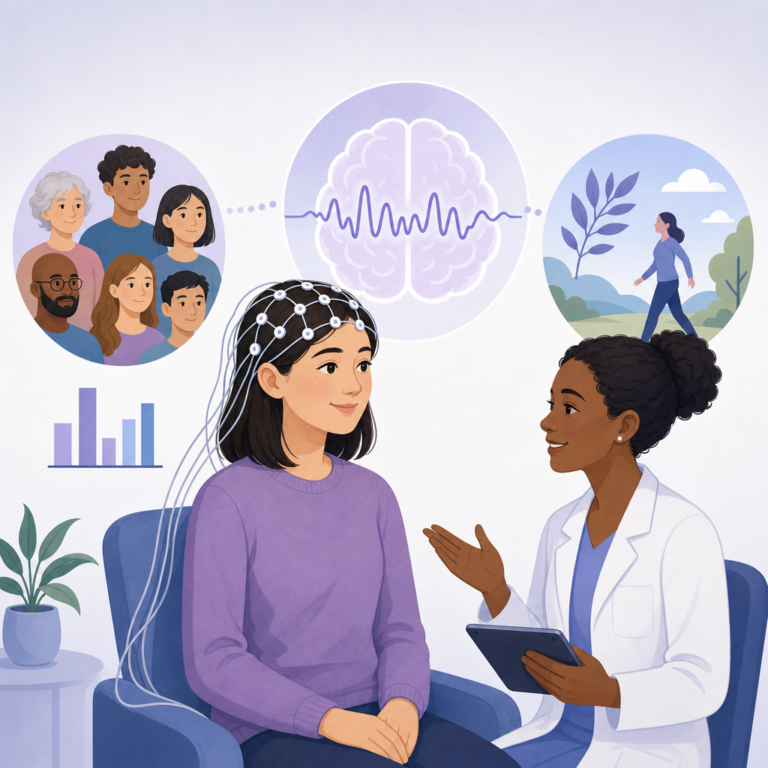
This study looked at whether putting in stereoelectroencephalography (SEEG) depth electrodes might temporarily change how often seizures happen, even though the electrodes are used for testing rather than treatment.
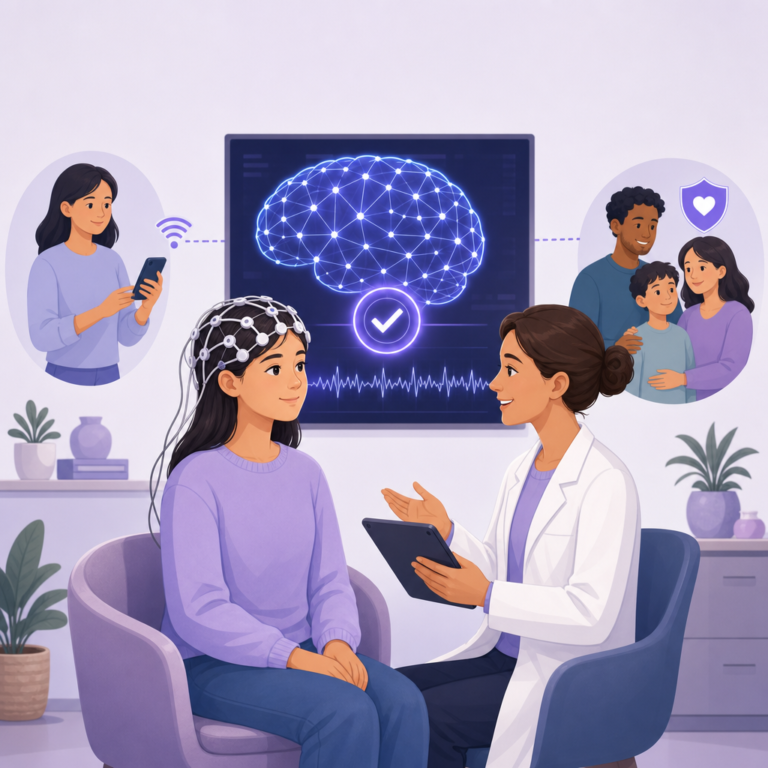
This study developed and tested a computer model called EffiFormer to detect epileptic seizures from EEG recordings.

Researchers looked at how long it took children with drug-resistant epilepsy to get a presurgical epilepsy evaluation after they were recognized as having drug-resistant epilepsy.
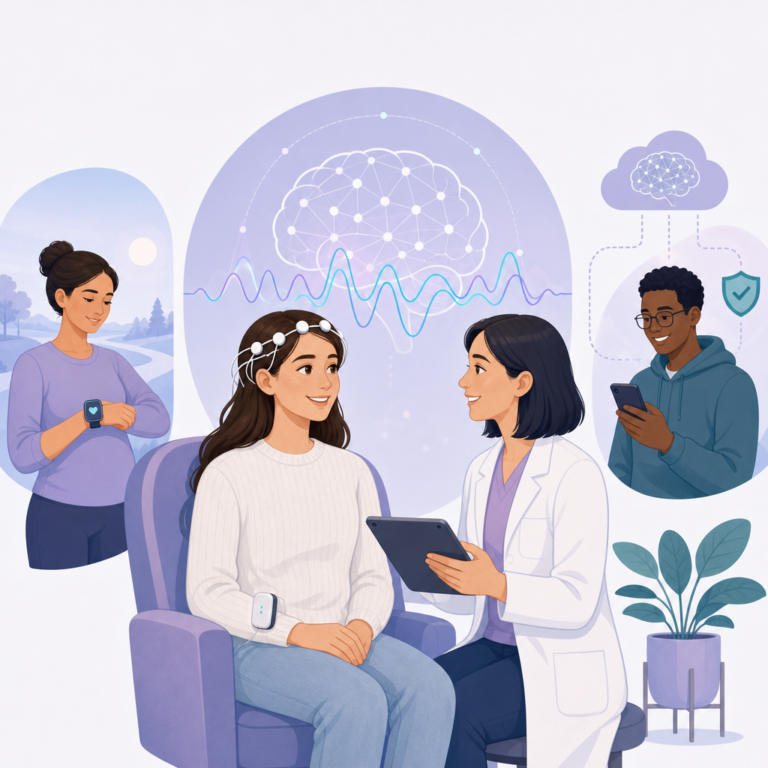
This paper is a review, not a new experiment.

This study did not follow real children in a trial.

This study followed children in Zambia who had severe malaria with neurologic symptoms.
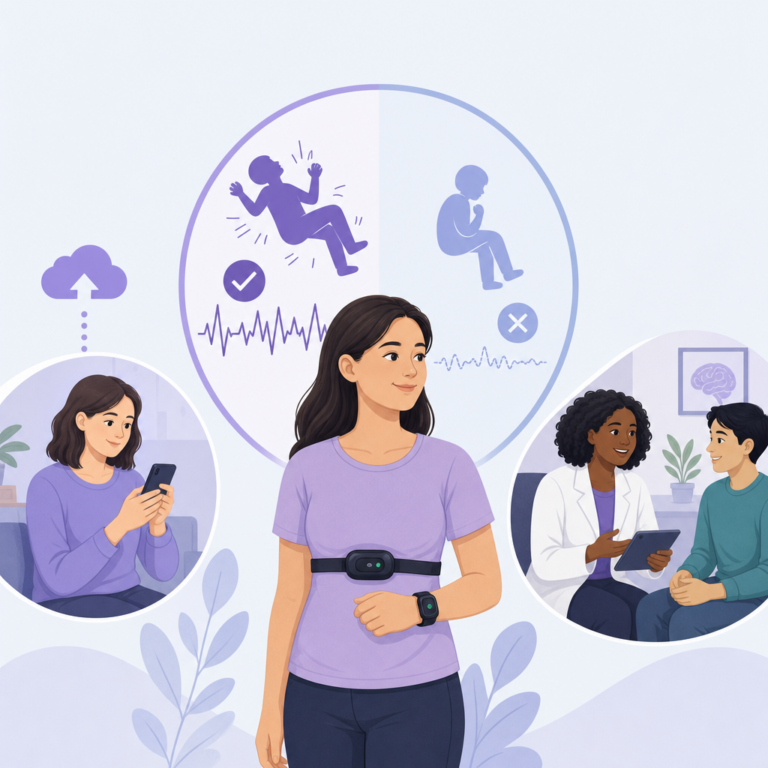
This paper reviewed and combined results from earlier studies on wearable devices that try to detect seizures.