Ictal déjà vu localization: what this review found
This systematic review examined whether déjà vu, déjà vécu, dreamy states, and reminiscence during focal seizures can help identify the epileptogenic zone.
This hub covers epilepsy EEG and MRI: how EEGs and brain imaging help doctors understand seizure patterns and possible causes. Clear explanations of common findings and what research suggests.
Yes. EEGs are a snapshot. Some people need repeat EEGs, sleep-deprived EEGs, or long-term monitoring.
Not always. It raises suspicion and risk, but diagnosis still depends on the full story.
To look for structural causes like scars, malformations, tumors, and stroke-related changes, which can guide treatment.
An inpatient or extended study that records EEG and video together to match symptoms to brain activity.

This systematic review examined whether déjà vu, déjà vécu, dreamy states, and reminiscence during focal seizures can help identify the epileptogenic zone.

Researchers reviewed records from 163 adults treated at one Danish hospital from 2008 to 2017.

This prospective observational study followed 365 critically ill children with acute encephalopathy who underwent clinically indicated continuous EEG monitoring in a pediatric intensive care unit.

This narrative review brought together published research on early infantile developmental and epileptic encephalopathy (EIDEE), a severe epilepsy syndrome beginning before 3 months of age.

Researchers combined 50 observational studies involving 10,743 people who presented with seizures in South-East Asia.

Researchers combined results from 19 studies involving 3,226 children with epilepsy.
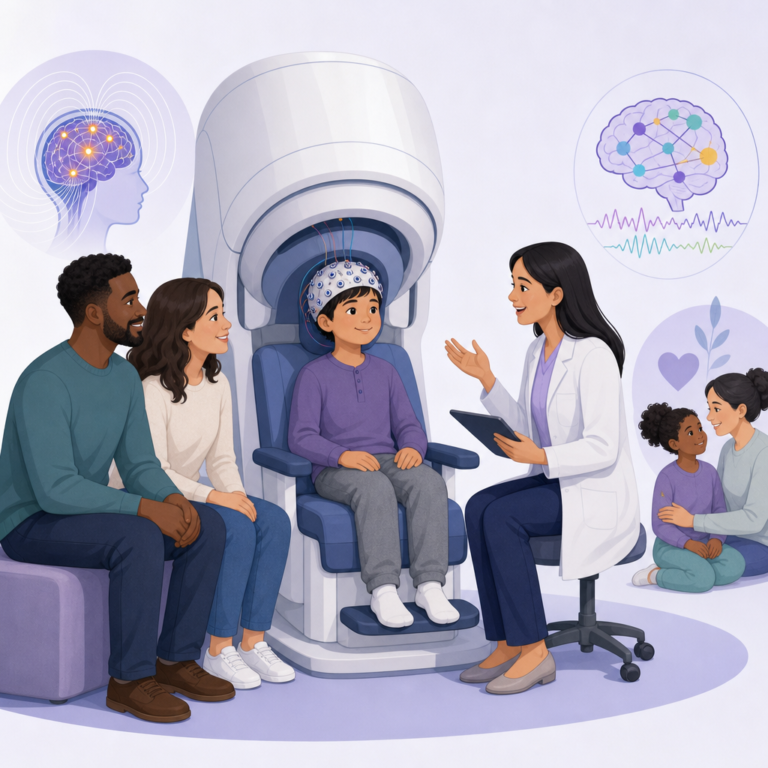
This article reviewed magnetoencephalography (MEG) in pediatric and adult epilepsy and provided illustrative cases showing its use.

This study looked at whether computer models built from seizure-free brain recordings could help identify vulnerable parts of the brain network involved in seizure onset during presurgical evaluation for drug-resistant epilepsy.
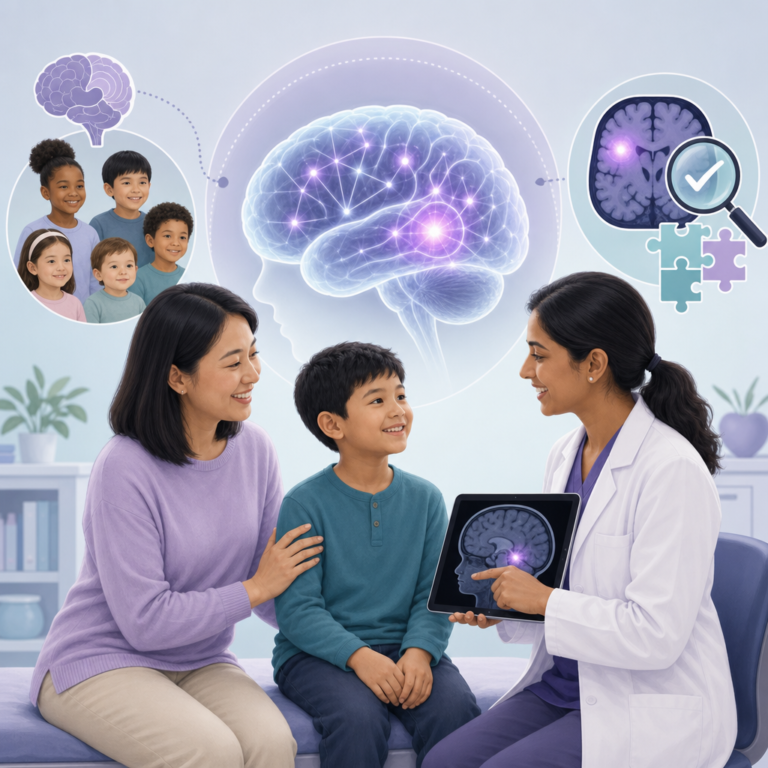
This study looked at whether brain PET scan templates made for children, and matched to different ages, can help improve localization of the epileptogenic zone, the brain area where seizures start, in children with drug-resistant epilepsy.