Imaging & EEG

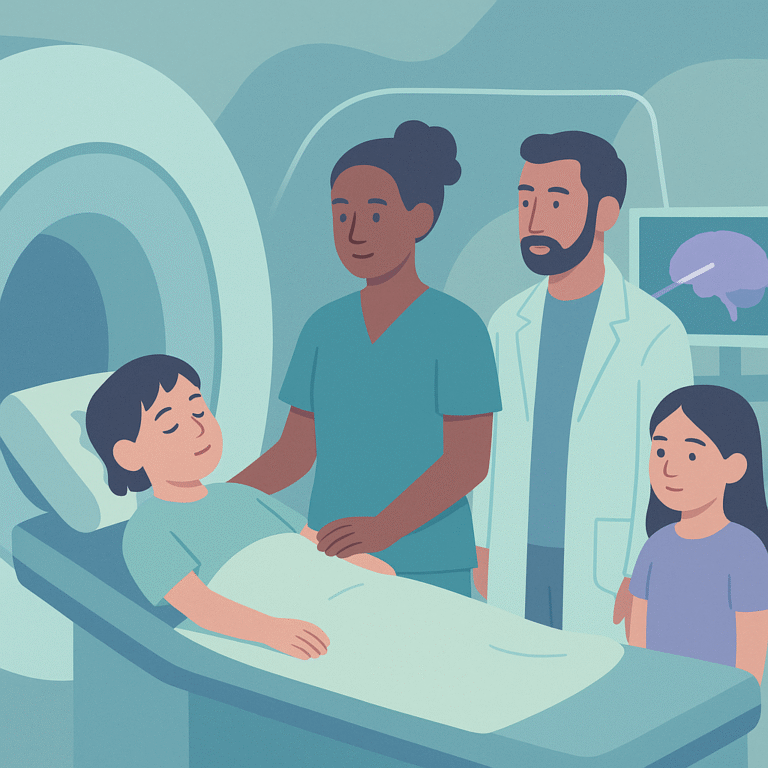
This hub covers epilepsy EEG and MRI: how EEGs and brain imaging help doctors understand seizure patterns and possible causes. Clear explanations of common findings and what research suggests.

What you’ll find in this topic:

  • Plain-language summaries of new epilepsy studies
  • What the research means for real life
  • Practical questions to ask your neurologist
  • Related topics you can explore next

Imaging & EEG: What Families Usually Want to Know

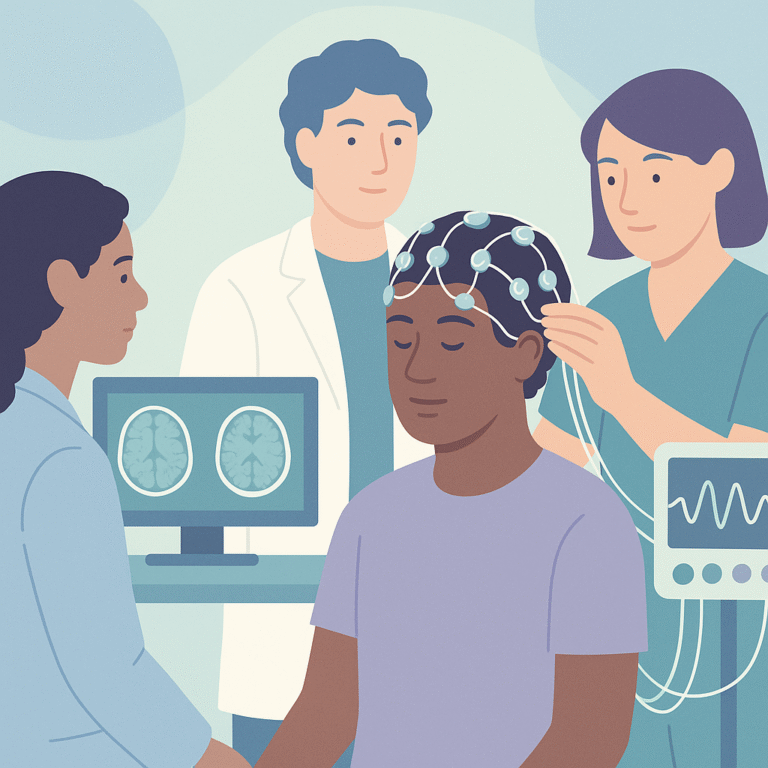
  • What an EEG can (and can’t) tell you
  • Why EEGs can be “normal” even when seizures are real
  • When MRI/other imaging matters (and what doctors look for)
  • What “spikes,” “slowing,” and “epileptiform activity” mean

Common EEG & Imaging Terms in Plain English

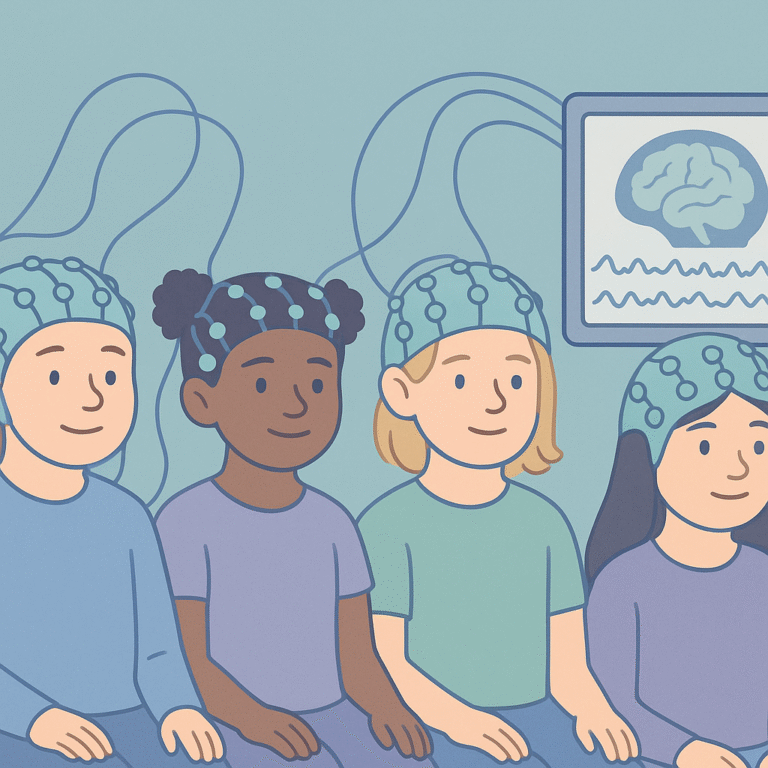
  • EEG: Measures electrical activity from the scalp (not a brain “scan”)
  • Epileptiform discharges: Patterns that suggest seizure risk
  • Ictal: Refers to during a seizure
  • Interictal: Refers to between seizures
  • Focal vs. Generalized: Pertaining to one specific spot on or network on one side of the brain vs. both sides/networks
  • MRI Lesion: A structural change that might be related (not always)

Imaging & EEG FAQ

Can you have epilepsy with a normal EEG?

Yes. EEGs are a snapshot. Some people need repeat EEGs, sleep-deprived EEGs, or long-term monitoring.

Does an abnormal EEG mean someone will definitely have seizures?

Not always. It raises suspicion and risk, but diagnosis still depends on the full story.

Why do doctors order an MRI?

To look for structural causes like scars, malformations, tumors, and stroke-related changes, which can guide treatment.

What is video EEG monitoring?

An inpatient or extended study that records EEG and video together to match symptoms to brain activity.