EEG Results Can Predict Seizure Recurrence After First Seizure
A recent study looked at the role of EEG (electroencephalogram) tests in patients who had their first unprovoked seizure.
This hub covers epilepsy EEG and MRI: how EEGs and brain imaging help doctors understand seizure patterns and possible causes. Clear explanations of common findings and what research suggests.
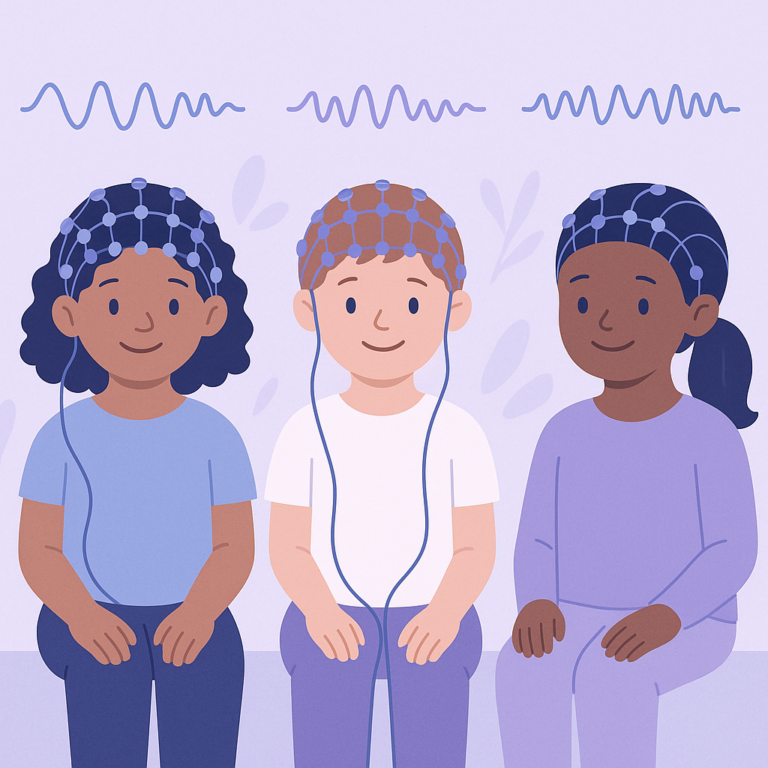
Yes. EEGs are a snapshot. Some people need repeat EEGs, sleep-deprived EEGs, or long-term monitoring.
Not always. It raises suspicion and risk, but diagnosis still depends on the full story.
To look for structural causes like scars, malformations, tumors, and stroke-related changes, which can guide treatment.
An inpatient or extended study that records EEG and video together to match symptoms to brain activity.
A recent study looked at the role of EEG (electroencephalogram) tests in patients who had their first unprovoked seizure.
Researchers studied the patterns of brain activity in people with focal epilepsy, focusing on a specific type of brain wave called “focal delta slowing.” This type of slowing appears on electroencephalograms (EEGs), which are tests that measure electrical activity inβ¦
Researchers studied the effects of different blood pressure medications on the risk of developing epilepsy in patients who had an ischemic stroke and also had high blood pressure.
This study focused on families from the Pashtun population in Pakistan who have cases of epilepsy that had not been thoroughly examined at the genetic level.
Researchers studied how to find and confirm specific microRNA markers in blood plasma that could help predict post-traumatic epilepsy (PTE) after brain injuries.
This study looked at how EEG (electroencephalography) readings can help identify different types of genetic epilepsy in children and how these readings relate to their neurological outcomes.
Researchers studied the use of two types of brain monitoringβscalp EEG (scEEG) and stereo EEG (SEEG)βin patients with drug-resistant epilepsy.
Researchers studied six Chinese children diagnosed with pyridoxine-dependent epilepsy (PDE) to understand the clinical features and genetic changes related to this condition.
This study looked at sudden unexpected death in epilepsy (SUDEP), which is a major cause of death related to epilepsy.