New Insights on SEEG Patterns for Temporal Lobe Epilepsy
Researchers studied how to improve surgical strategies for patients with drug-resistant temporal lobe epilepsy (TLE) using a method called stereo-electroencephalography (SEEG).
This hub covers epilepsy EEG and MRI: how EEGs and brain imaging help doctors understand seizure patterns and possible causes. Clear explanations of common findings and what research suggests.
Yes. EEGs are a snapshot. Some people need repeat EEGs, sleep-deprived EEGs, or long-term monitoring.
Not always. It raises suspicion and risk, but diagnosis still depends on the full story.
To look for structural causes like scars, malformations, tumors, and stroke-related changes, which can guide treatment.
An inpatient or extended study that records EEG and video together to match symptoms to brain activity.
Researchers studied how to improve surgical strategies for patients with drug-resistant temporal lobe epilepsy (TLE) using a method called stereo-electroencephalography (SEEG).
Researchers studied the effectiveness of a new device called point-of-care electroencephalogram (POC-EEG) in emergency departments and hospitals.
Researchers studied CDKL5 deficiency disorder (CDD), a rare condition that causes severe developmental and epileptic challenges in individuals.
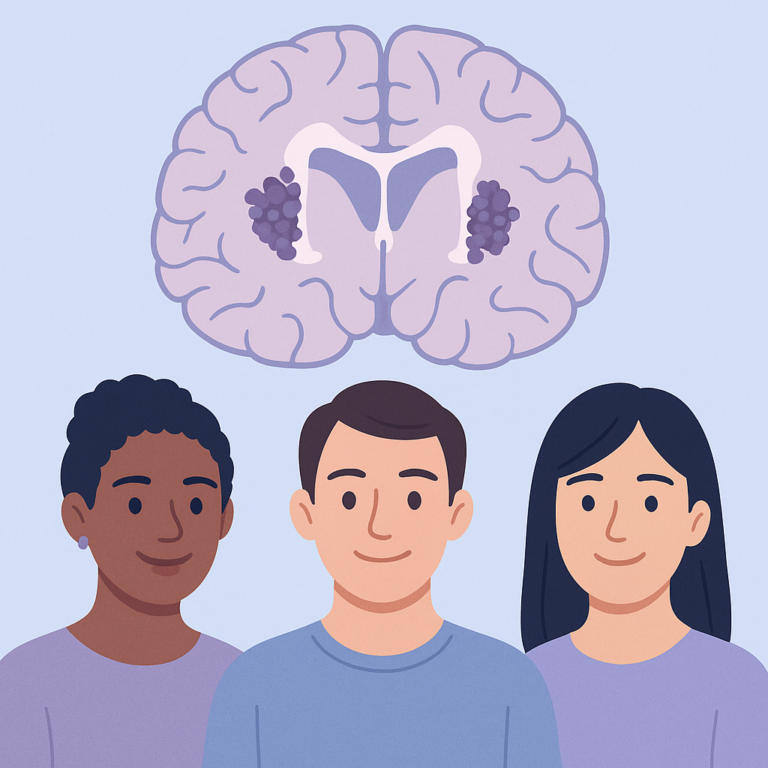
Researchers studied a specific type of brain injury called cytotoxic lesions of the corpus callosum (CLOCCs) in people with epilepsy.
Researchers studied common mistakes in a specific type of analysis called psychophysiological interaction (PPI) analysis, which is used in brain imaging to understand how different parts of the brain communicate during tasks.
This study looked at different models that predict epilepsy in children and adolescents.
Researchers studied different brain imaging techniques to find out which ones are best at locating the exact spot in the brain where seizures start in people with epilepsy who do not respond to medication.
This study looked at how antiseizure medications (ASMs) affect cognitive abilities in children and teenagers who have recently been diagnosed with Juvenile Myoclonic Epilepsy (JME).
This study looked at how well melatonin works compared to sleep deprivation for helping children with epilepsy fall asleep during EEG tests.