Ambulatory EEGs May Help Diagnose Seizures in Dementia Patients
Researchers studied the use of a specific type of brain test called ambulatory EEG in older adults diagnosed with mild cognitive impairment (MCI) or dementia.
This hub covers epilepsy EEG and MRI: how EEGs and brain imaging help doctors understand seizure patterns and possible causes. Clear explanations of common findings and what research suggests.
Yes. EEGs are a snapshot. Some people need repeat EEGs, sleep-deprived EEGs, or long-term monitoring.
Not always. It raises suspicion and risk, but diagnosis still depends on the full story.
To look for structural causes like scars, malformations, tumors, and stroke-related changes, which can guide treatment.
An inpatient or extended study that records EEG and video together to match symptoms to brain activity.
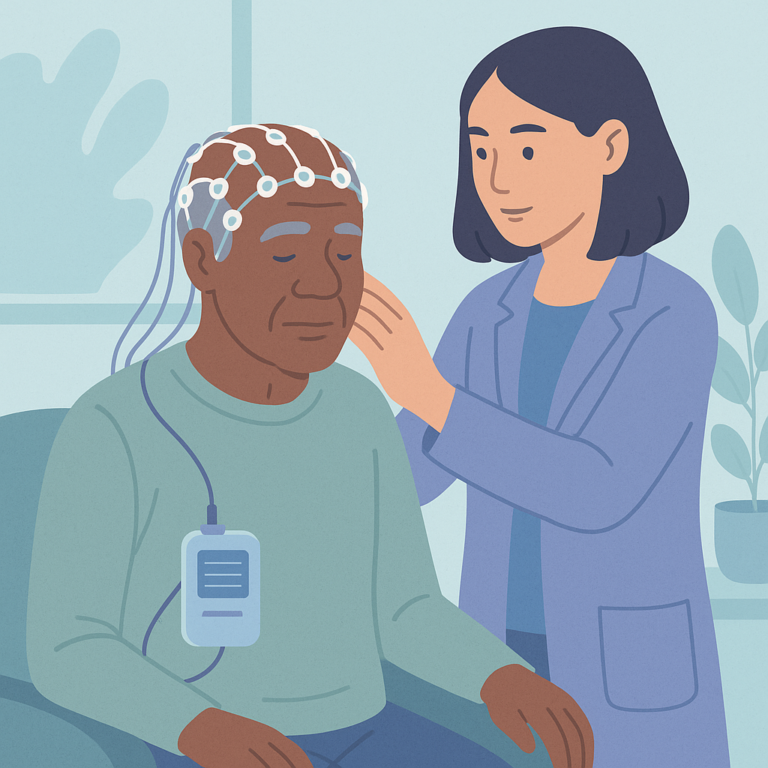
Researchers studied the use of a specific type of brain test called ambulatory EEG in older adults diagnosed with mild cognitive impairment (MCI) or dementia.
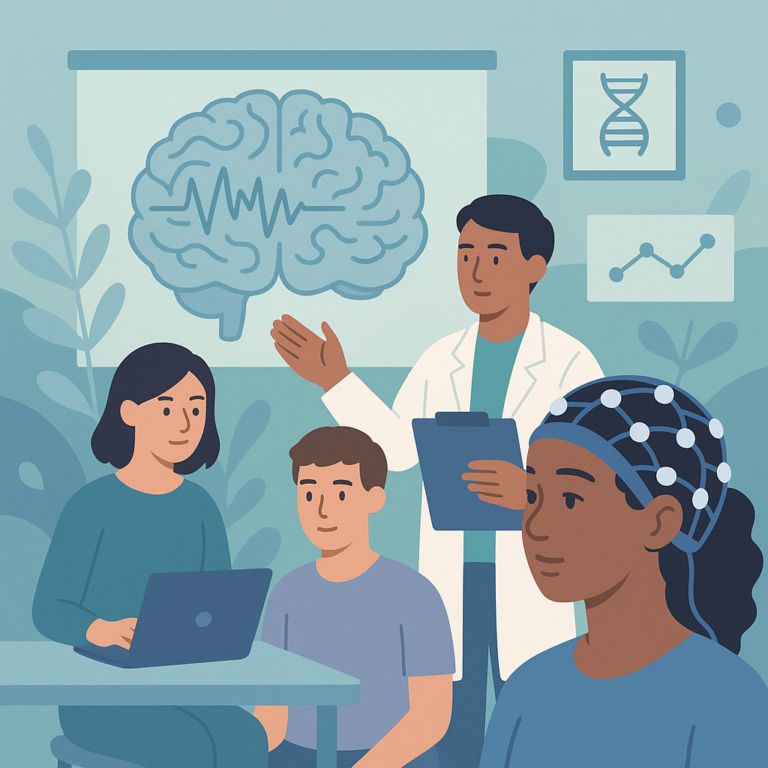
This study looked at how researchers have been studying endophenotypes in epilepsy over time.
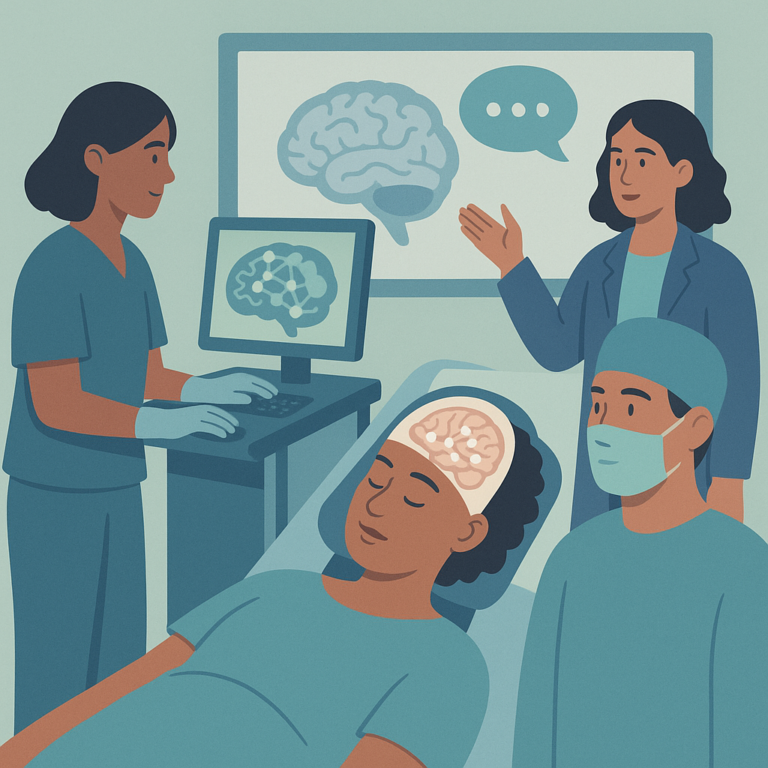
Researchers studied how electrical stimulation of the brain can help map language areas during epilepsy surgery.
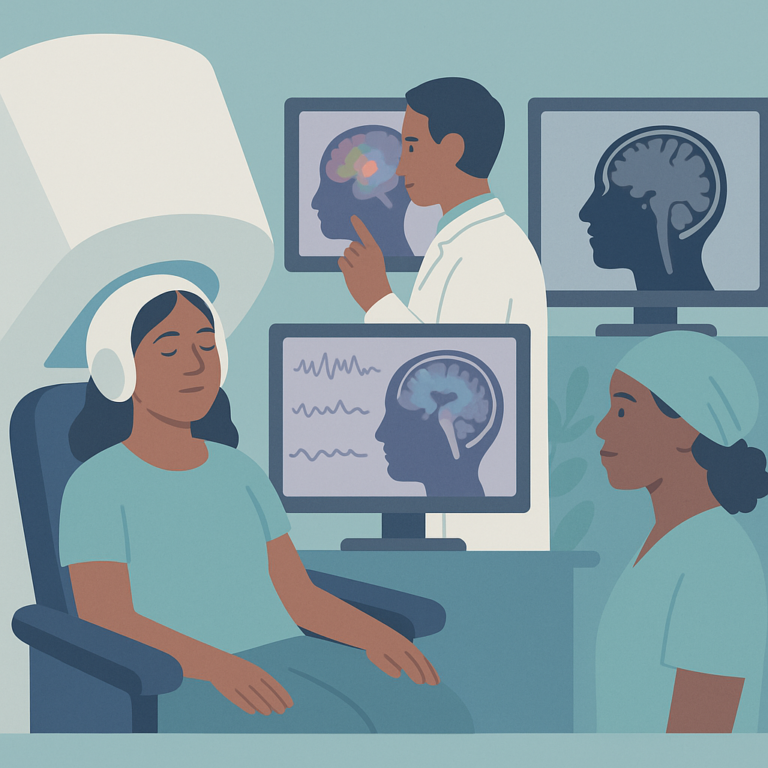
Researchers studied the use of magnetoencephalography (MEG) in evaluating epilepsy, focusing on its effectiveness in helping doctors locate the areas of the brain causing seizures.

This study looked at a specific brain imaging sign called the symmetrical claustrum sign (SCS) in children diagnosed with febrile infection-related epilepsy syndrome (FIRES).

In a study involving 249 children who experienced new-onset bilateral tonic-clonic seizures, researchers aimed to understand how different diagnostic methods could help classify the type of seizures.

This study focused on children with drug-resistant epilepsy, which means their seizures do not respond well to standard medications.

Researchers studied deep brain stimulation (DBS) as a treatment for people with epilepsy who do not respond to medications and cannot have surgery to remove the affected brain tissue.

Researchers studied how to detect unusual patterns in heart and brain activity data, specifically using ECG (heart) and EEG (brain) readings.