IEDs in EEG: What They Mean for Seizure Recurrence
A recent study looked at how EEG (electroencephalogram) results can help predict the chances of having more seizures after someone experiences their first unprovoked seizure.
This hub covers epilepsy EEG and MRI: how EEGs and brain imaging help doctors understand seizure patterns and possible causes. Clear explanations of common findings and what research suggests.
Yes. EEGs are a snapshot. Some people need repeat EEGs, sleep-deprived EEGs, or long-term monitoring.
Not always. It raises suspicion and risk, but diagnosis still depends on the full story.
To look for structural causes like scars, malformations, tumors, and stroke-related changes, which can guide treatment.
An inpatient or extended study that records EEG and video together to match symptoms to brain activity.

A recent study looked at how EEG (electroencephalogram) results can help predict the chances of having more seizures after someone experiences their first unprovoked seizure.

This study looked at a specific gene called ADAM23 and its potential role in causing focal epilepsy, which is a type of seizure disorder.
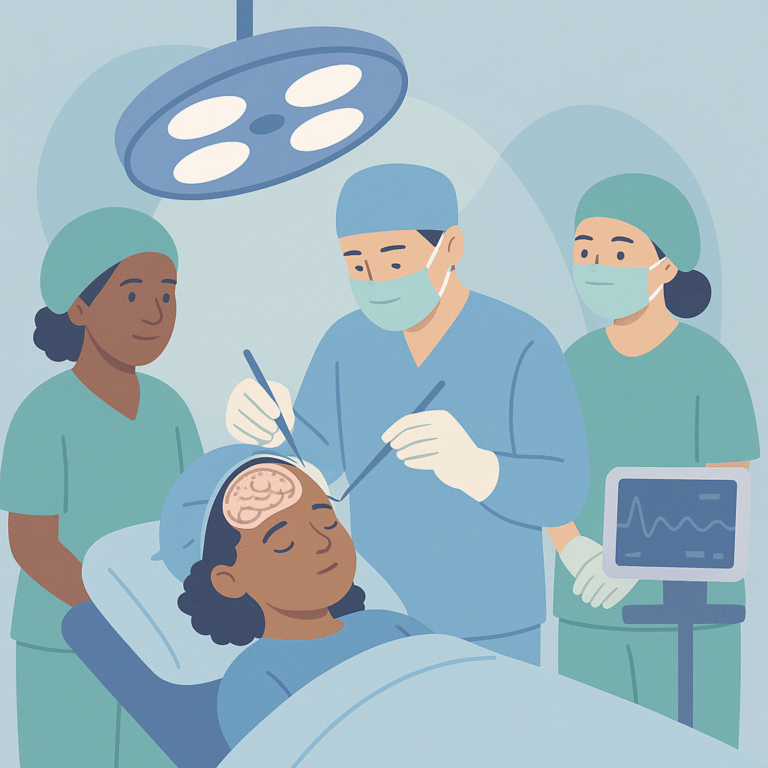
This study looked at children with a specific genetic condition called SYNGAP1-related developmental and epileptic encephalopathy (DEE), which causes severe developmental issues and epilepsy.

Researchers studied the connection between enlarged perivascular spaces (ePVS) in the brain and certain markers of epilepsy in patients undergoing a specific type of brain monitoring called stereo-electroencephalography (SEEG).

This study looked at 37 children who had changes in a specific part of their DNA called the 15q11.2 region.

This study looked at four children who had mutations in a specific gene called BCKDK.
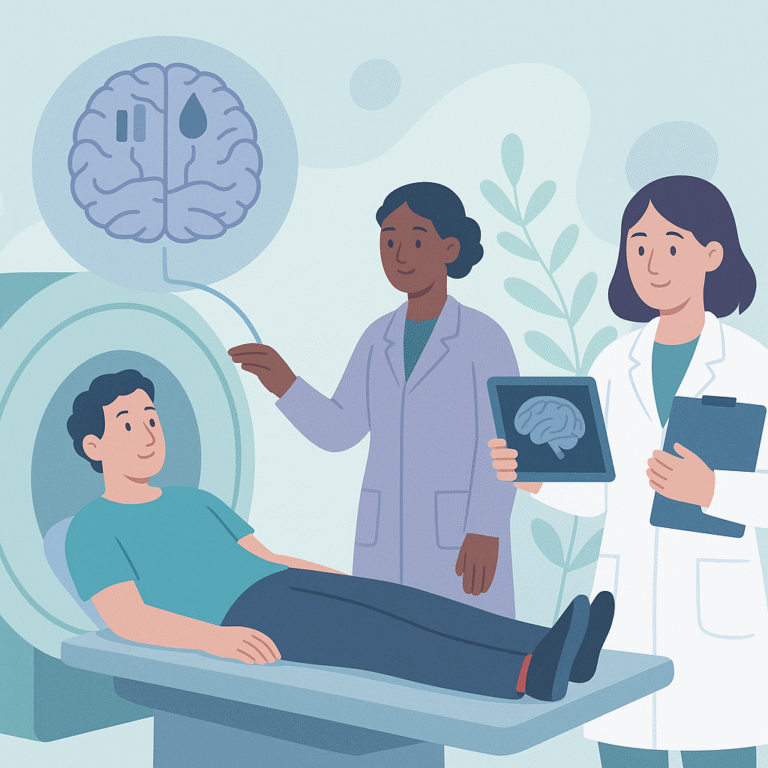
Researchers conducted a systematic review to explore how advanced imaging techniques can identify neuro-inflammatory biomarkers in people with epilepsy who do not respond to medication.
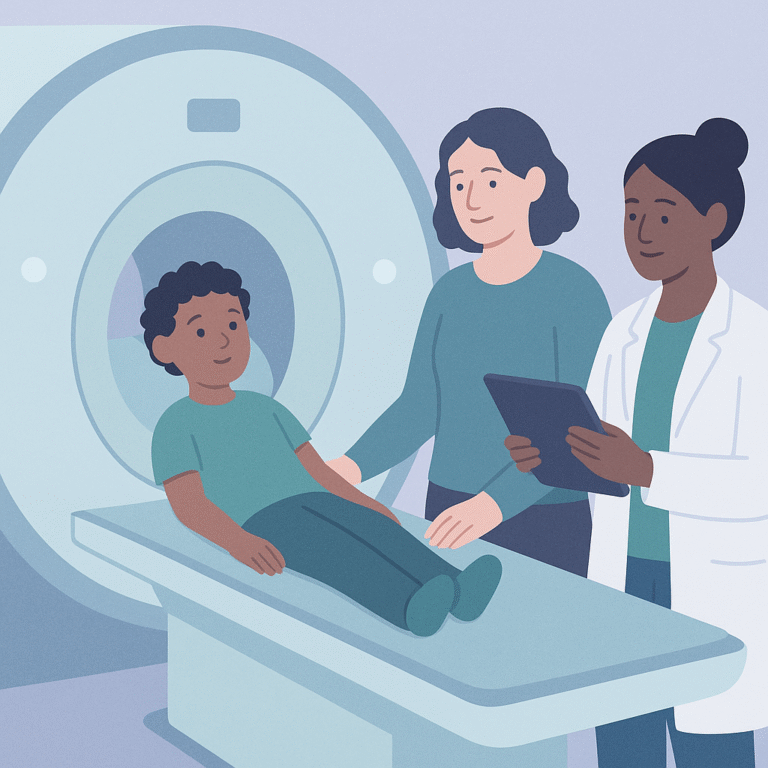
This study looked at how well ultra-high field 7T MRI works for children with drug-resistant focal epilepsy.
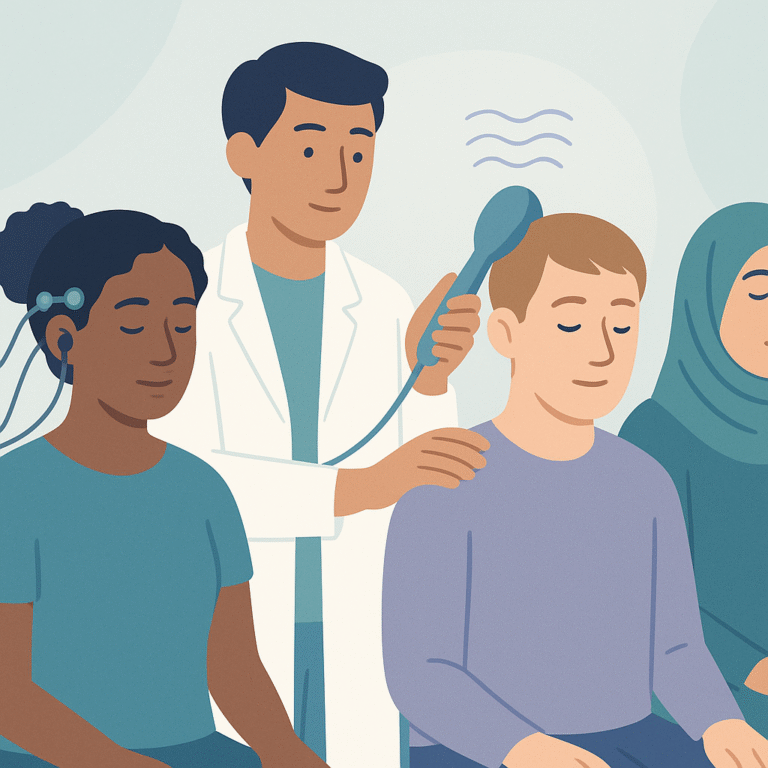
Researchers studied a method called transcranial temporal interference stimulation (tTIS) to see how it could help people with neurological and psychiatric disorders.