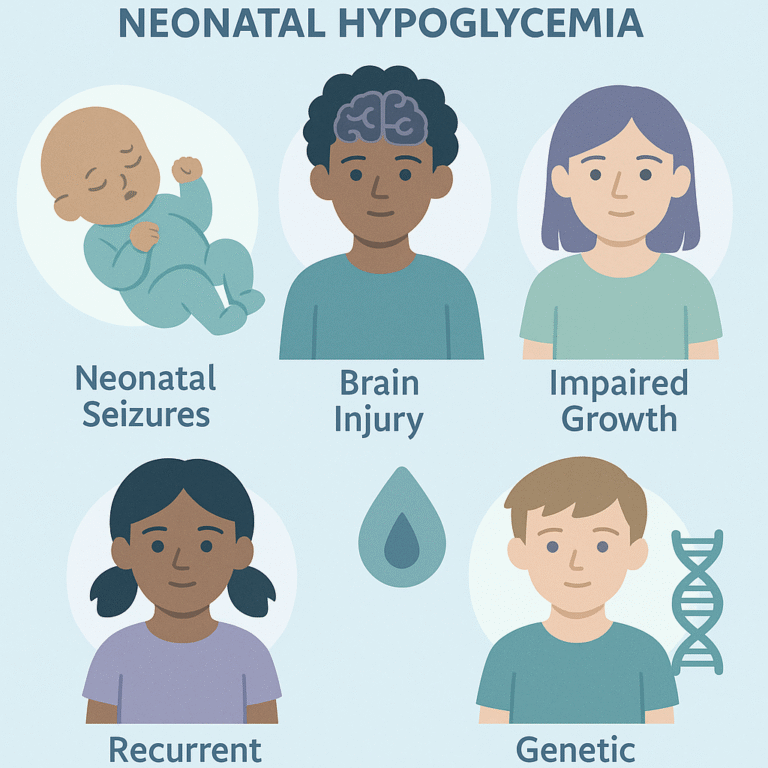
Risk Factors for Epilepsy in Children with Neonatal Hypoglycemia
Researchers studied the potential risk factors for epilepsy in children who experienced neonatal hypoglycemia, which is low blood sugar shortly after birth.
This hub covers pediatric epilepsy in infants, kids, and teens, including diagnosis, syndromes, development, school plans, and safety. New studies translated into clear takeaways for parents.
Usually when two appropriate medications haven’t controlled seizures.
Many families benefit and it depends on seizure frequency, medications, and learning needs.
Often yes, with smart precautions. Ask your neurologist or epileptologist about your child’s specific risks.
Clusters, prolonged seizures, breathing trouble, new weakness, or major regression.
Researchers studied the potential risk factors for epilepsy in children who experienced neonatal hypoglycemia, which is low blood sugar shortly after birth.
Researchers conducted a study to understand the causes and outcomes of hypoglycemic seizures in children.
Researchers conducted a study to compare two common medications used to treat epilepsy in children: levetiracetam and sodium valproate.
Researchers investigated the effects of gastrodin (GAS), a natural compound from the plant Gastrodia elata Blume, on epilepsy using a rat model.
Researchers studied the role of the PHF21A gene in brain development and epilepsy.
Researchers examined how to improve large language models (LLMs) used in medical tasks, focusing on the integration of human medical expertise.
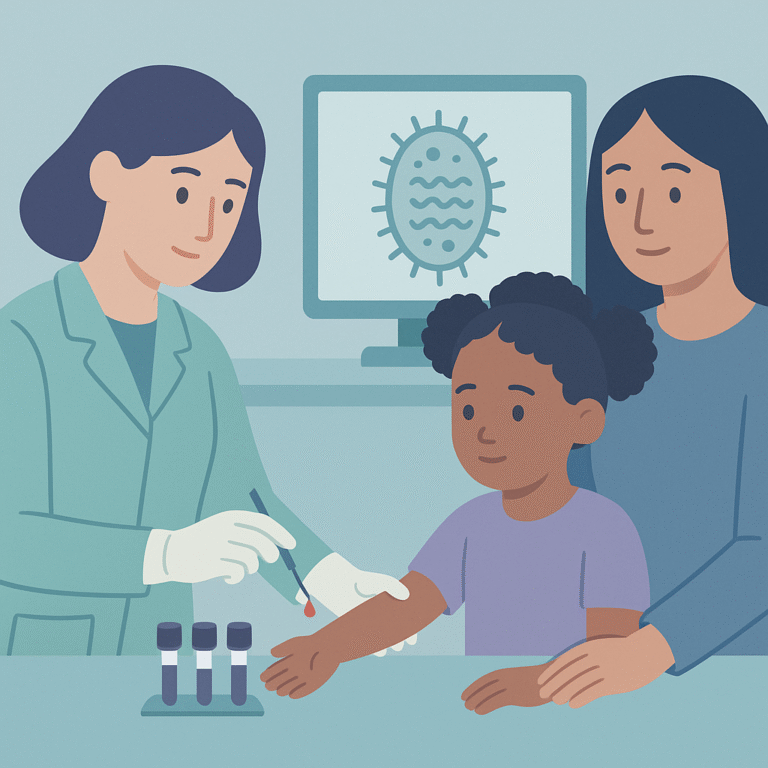
Researchers studied the presence of specific proteins from the Toxocara canis parasite in the blood of 14 children who have epilepsy.
Researchers studied the effects of musical neurostimulation on cognitive function in children with epilepsy.
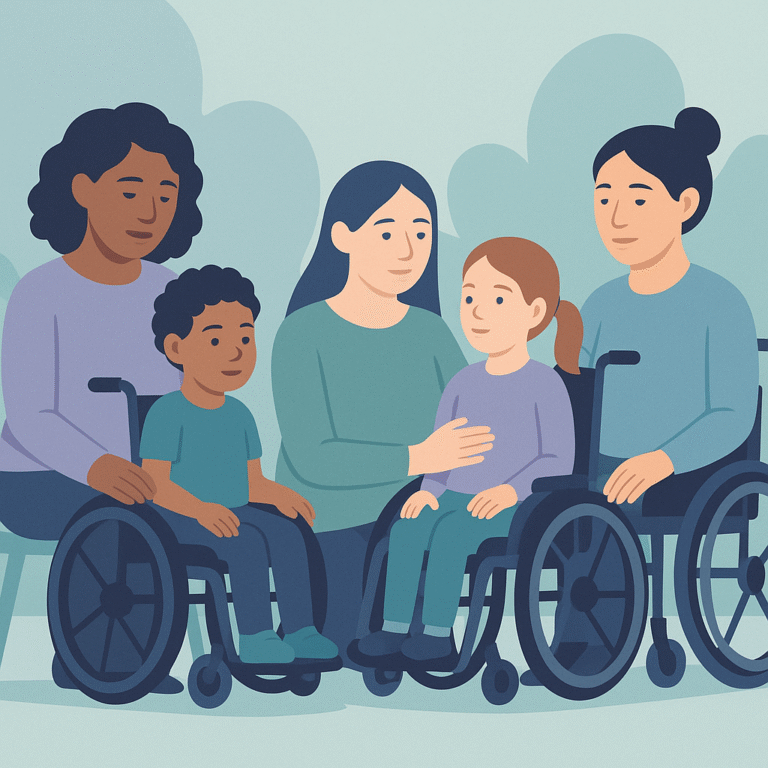
Researchers in Tunisia studied the well-being of mothers who care for children with cerebral palsy (CP), a common childhood disability.