IVIG May Reduce Seizures In Some Children
This study looked at whether intravenous immunoglobulin, called IVIG, might help children with drug-resistant epilepsy.
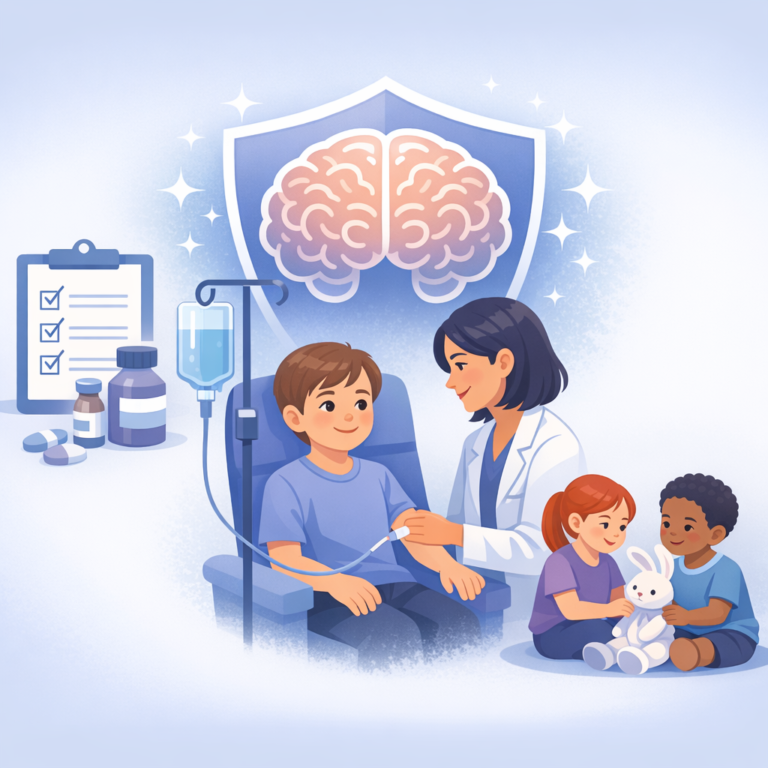
This study looked at whether intravenous immunoglobulin, called IVIG, might help children with drug-resistant epilepsy.
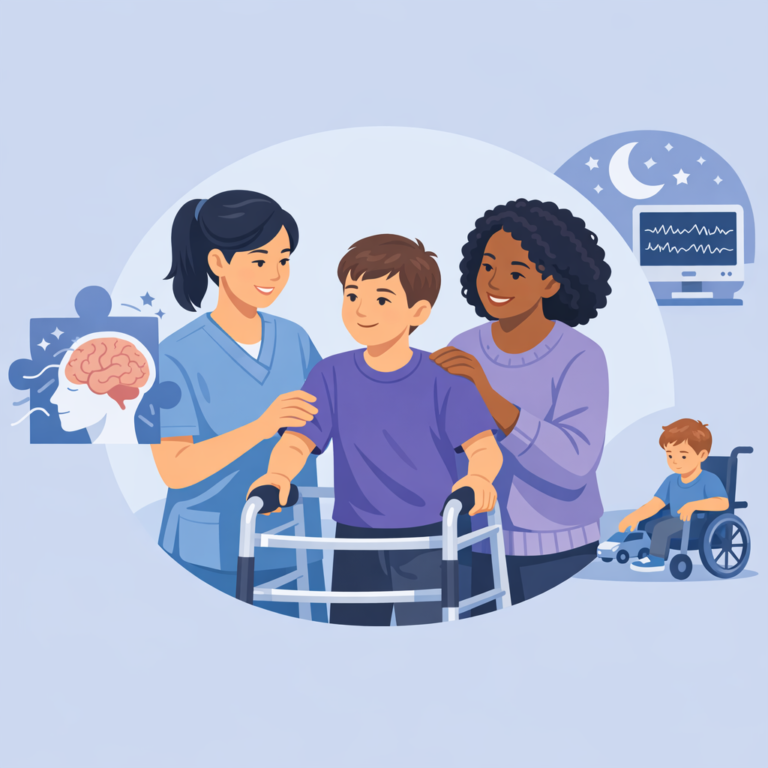
This paper reviewed published research on monogenic developmental and epileptic encephalopathies (DEE), with a focus on movement disorders that occur along with epilepsy.

This paper combined results from 10 randomized controlled trials that tested educational programs for children with epilepsy and/or their parents or caregivers.

This study looked at which first antiseizure medicine was prescribed to children with epilepsy in the United States from 2015 to 2024.

This study looked at brivaracetam (BRV) used alone as the initial seizure medicine in patients with juvenile myoclonic epilepsy (JME).

This preliminary study looked at gut bacteria in children with infantile epileptic spasms syndrome (IESS), a severe epilepsy syndrome in infancy.

This exploratory pilot study looked at whether certain MRI features of a brain malformation called focal cortical dysplasia type II (FCD II) were linked with neuropsychological functioning in children and teens with pharmacoresistant epilepsy.

This brief report did not test a new epilepsy treatment in a new group of patients.

This study combined results from 35 studies in a network meta-analysis.