Reviewing Safety of Anticoagulants with Seizure Medications
This study focuses on the safety and effectiveness of using direct oral anticoagulants (DOACs) alongside antiseizure medications (ASMs) in patients aged 8 years and older.
This hub covers seizure first aid: what to do during a seizure, when to use rescue meds, and when to call 911. Clear, research-informed guidance for home, school, sports, and sleep.
Yes, you can get it here! Stick it on the fridge, give it to the grandparents, and share it with teachers.
If a convulsive seizure lasts ~5 minutes, breathing is abnormal, injury occurs, it’s a first seizure, or recovery is not typical.
A written plan for caregivers/schools that includes seizure types, what to do, and when to use rescue meds.
Often yes with 1:1 close supervision, a plan, and risk discussion with your neurologist.
Showers are usually safer than baths. If using a bath, supervision matters.

This study focuses on the safety and effectiveness of using direct oral anticoagulants (DOACs) alongside antiseizure medications (ASMs) in patients aged 8 years and older.

This study looked at how different antiseizure medications (ASMs) affect cholesterol levels and weight in people with epilepsy.
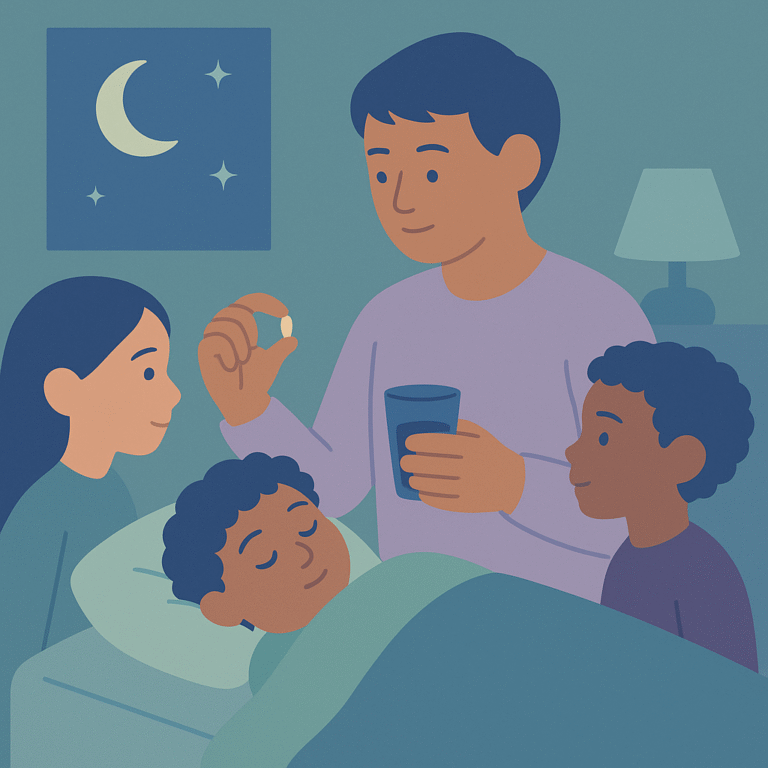
Researchers studied a type of epilepsy called self-limited epilepsy with centrotemporal spikes (SeLECTS) in 192 children.

Researchers studied the effectiveness and safety of two medications, levetiracetam (LEV) and phenobarbital (PB), for treating seizures in newborns.
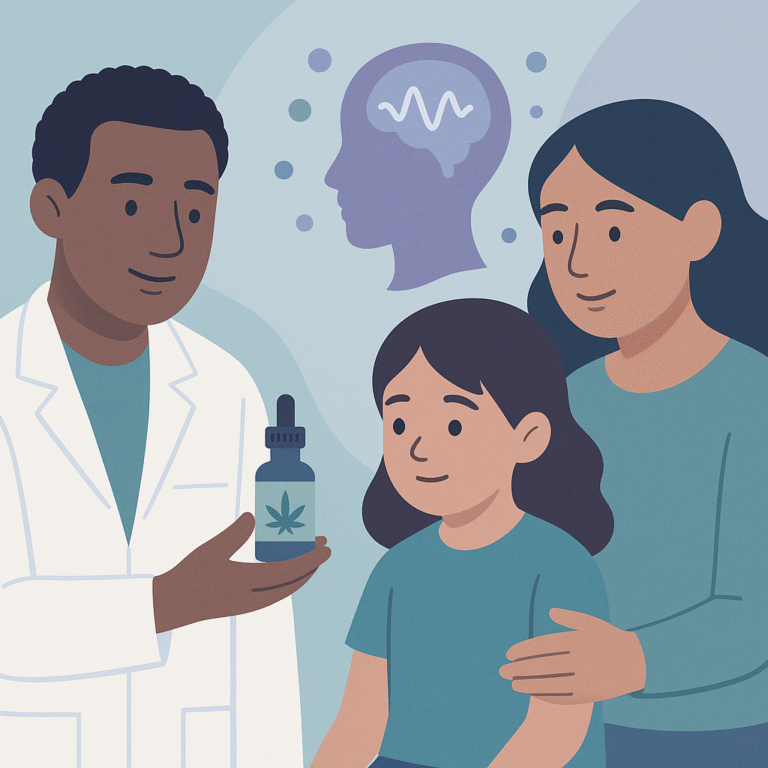
This study looked at how effective and safe cannabidiol (CBD) is for children with drug-resistant epilepsy.
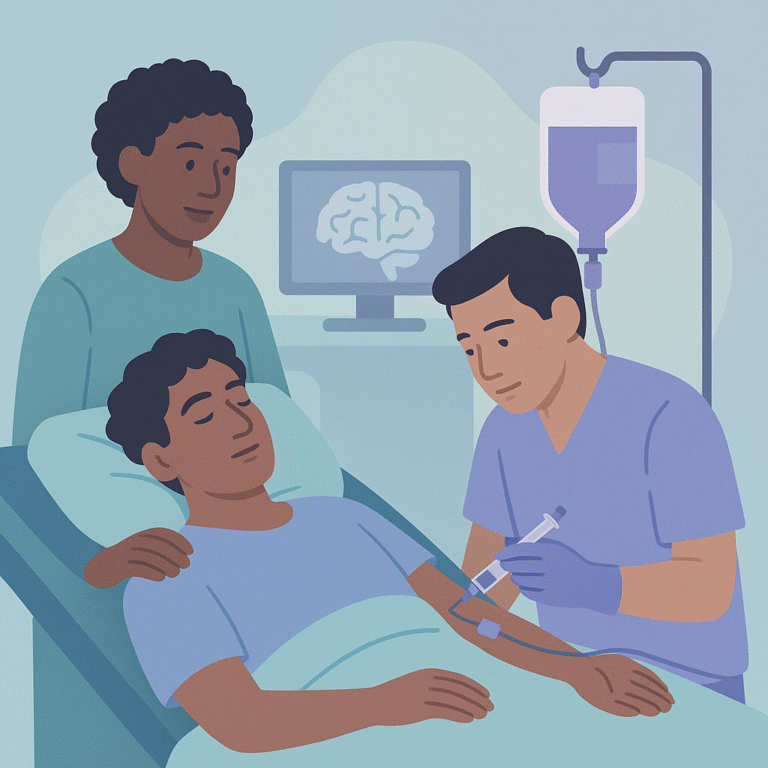
Researchers studied new ways to treat status epilepticus (SE), a serious condition where seizures last too long and can cause severe harm.

This study looked at how well a combination of traditional Chinese medicine (TCM) and Western medicine works for people with refractory epilepsy (RE), which is a type of epilepsy that doesn’t respond well to standard treatments.

A study called the MonoPER study looked at how effective and tolerable the medication Perampanel (PER) is when used alone to treat adults with focal or idiopathic generalized epilepsy.
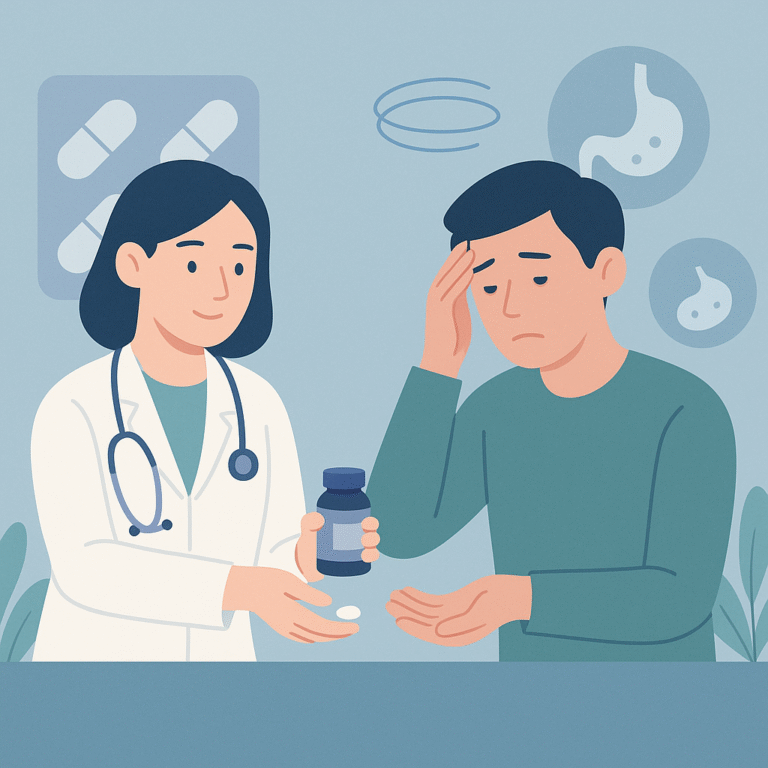
This study looked at how often and when side effects occurred in adult Asian patients with focal-onset seizures while they were treated with brivaracetam (BRV).