Wide Range Of Symptoms Seen In Tubulin Disorders
⚠️ SUDEP: If you have concerns, speak with your clinician about risk and safety planning.
Source: Neurological sciences : official journal of the Italian Neurological Society and of the Italian Society of Clinical Neurophysiology
Summary
What was studied
This study looked at tubulinopathies, a group of neurodevelopmental disorders caused by changes in tubulin-related genes and microtubule-associated proteins. The researchers reviewed records from 15 children from 12 unrelated families who were seen at five tertiary centers in Turkey. All of the children had a genetic diagnosis of a tubulinopathy.
The team looked at clinical features, seizure profiles, and brain imaging findings. They found 12 pathogenic variants across 7 genes: TUBA1A, TUBB2A, TUBB2B, TUBB3, TUBB4A, TUBG1, and TUBGCP2. Four of the variants were novel.
What they found
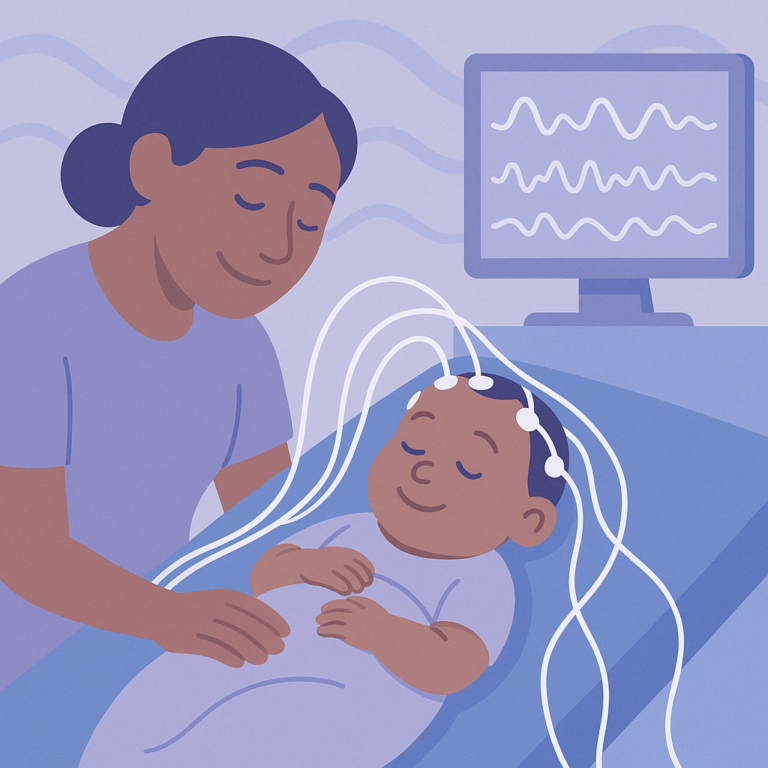
The children showed a wide range of genetic changes and clinical features. The most common features were microcephaly in 93.3%, global developmental delay in 86.7%, and epilepsy in 73.3%. Movement disorders were seen in 33.3%, including dystonia and mirror movements.
On neuroradiological assessment, the most common findings were corpus callosum anomalies and cortical malformations, each seen in 76.9% of the cohort. The study also reported a rare TUBGCP2-related case with cystic leukomalacia, expanding the known radiological spectrum. One child with a TUBB2A-related tubulinopathy had a probable sudden unexpected death in epilepsy (SUDEP).
Limits of the evidence
This was a small, retrospective study, so it can describe patterns in this cohort but cannot show how common these findings are in all children with tubulinopathies. The patients were from tertiary centers in one country, which may limit how broadly the findings apply.
Because the study only included 15 children, rare findings such as probable SUDEP or unusual imaging changes are important to note but cannot be used to estimate risk. The abstract also does not give detailed information about treatment, seizure control, or long-term outcomes.
For families and caregivers
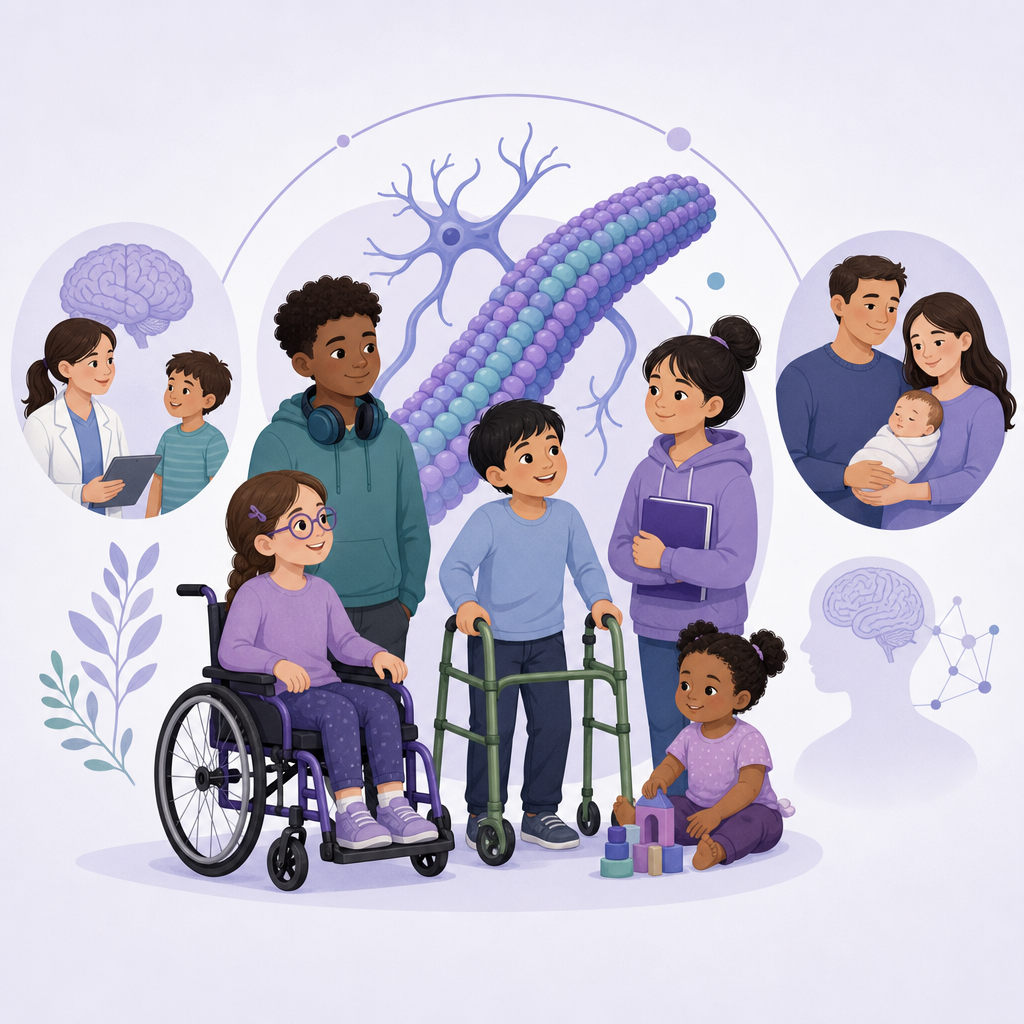
For families, this study suggests that tubulinopathies can affect children in many different ways, even within the same broad group of conditions. Developmental delay, epilepsy, microcephaly, movement problems, and brain imaging changes were all common in this cohort.
The report highlights the value of careful clinical monitoring in children with these genetic diagnoses. It also shows that new gene variants and less common features are still being recognized, so understanding of these conditions is still evolving.
What to watch next
Larger studies with longer follow-up could help clarify developmental outcomes, seizure features, and how findings may differ across tubulinopathy genes.
Terms in this summary
- tubulinopathy
- A disorder caused by changes in genes involved in tubulins or related proteins that help the brain develop.
- genetic variant
- A change in DNA; some variants can cause disease.
- microcephaly
- A head size that is smaller than expected for age and sex.
- global developmental delay
- Slower-than-expected progress in several areas, such as movement, speech, and learning.
- corpus callosum
- The band of nerve fibers that connects the two halves of the brain.
- cortical malformation
- A problem in how the outer layer of the brain formed before birth.
- dystonia
- A movement problem that causes twisting movements or unusual postures.
- SUDEP
- Sudden unexpected death in epilepsy, a rare but serious event in a person with epilepsy.
Free: Seizure First Aid Quick Guide (PDF)
Plus one plain-language weekly digest of new epilepsy research.
Unsubscribe anytime. No medical advice.