Understanding Jordan Syndrome and Its Genetic Causes
This study focused on Jordan syndrome, a rare condition caused by changes in the PPP2R5D gene.
This hub covers epilepsy comorbidities, which are the other conditions that often show up alongside seizures (like ADHD, anxiety, depression, autism, and sleep issues). Plain-language research takeaways for families.
Often both. Shared brain networks, stress, sleep disruption, and medication effects can all contribute.
Track timing: New symptoms after med changes or dose increases may point to side effects.
If school is hard, attention/memory changes, or there’s concern about learning, yes, it can guide supports.
Sometimes. Improving sleep and stress can reduce seizure susceptibility in some people.
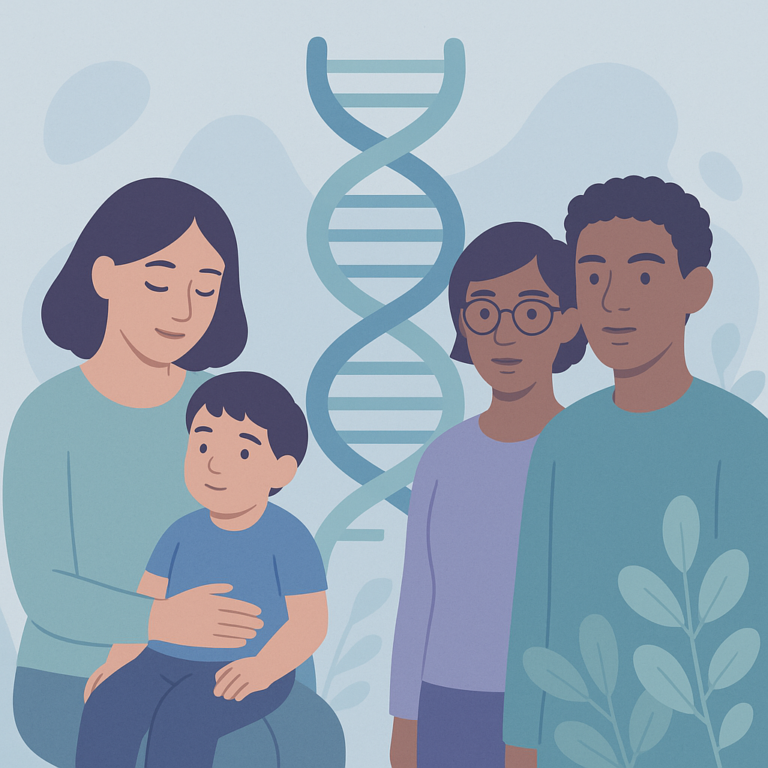
This study focused on Jordan syndrome, a rare condition caused by changes in the PPP2R5D gene.
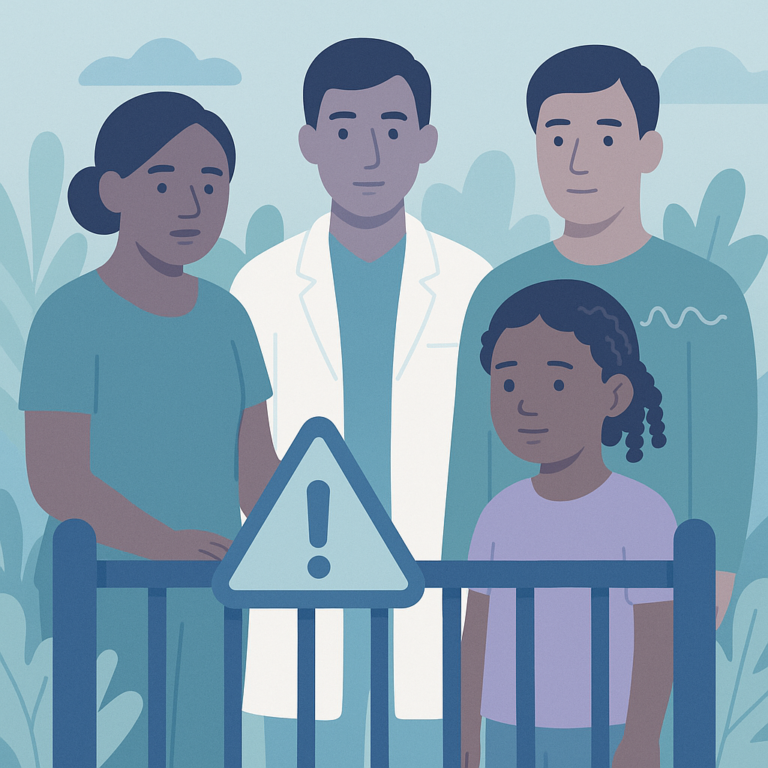
Researchers studied the challenges and effectiveness of epilepsy surgery in children with drug-resistant epilepsy (DRE), which affects about 30% of young patients.
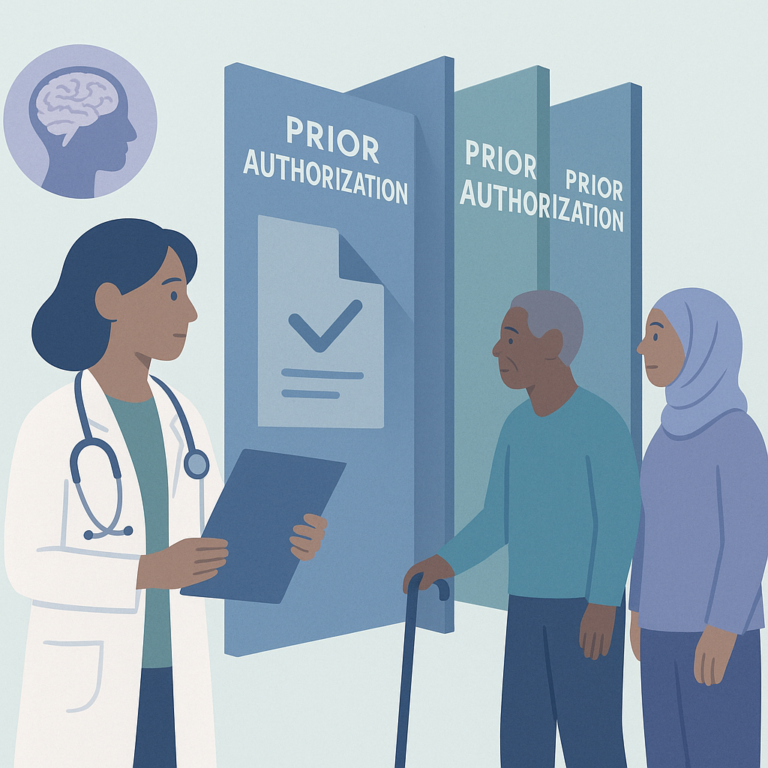
This study looked at how prior authorization (PA) policies affect access to medications for people with six common neurological conditions, including epilepsy.
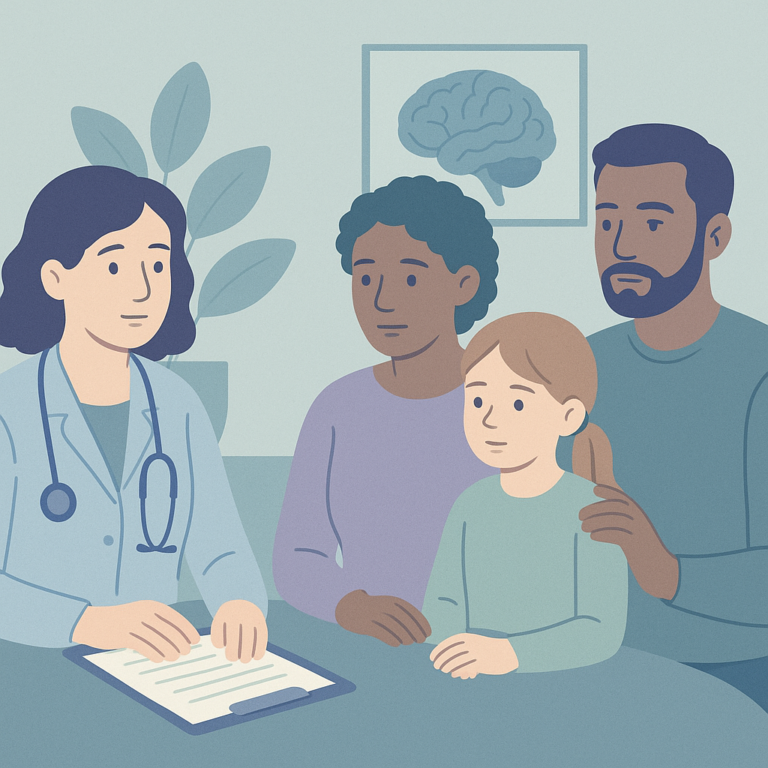
This study looked at a rare genetic disorder called neuronal ceroid lipofuscinosis type 2 (CLN2 disease) in children in France.
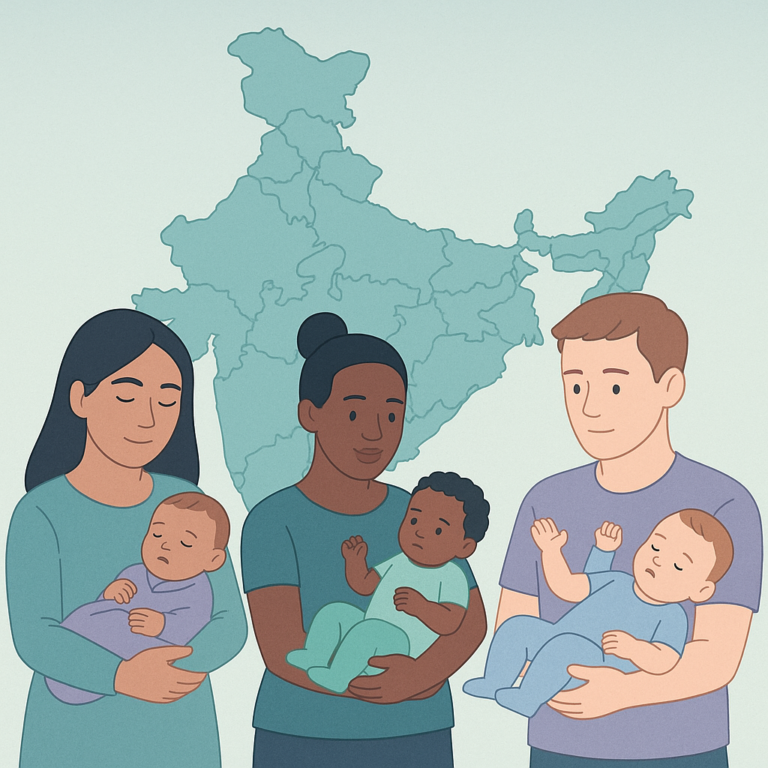
This study focused on understanding how common infantile epileptic spasms syndrome (IESS) is in India.

Researchers studied how juvenile myoclonic epilepsy (JME) affects a person’s ability to understand others’ thoughts and feelings, known as theory of mind (ToM).
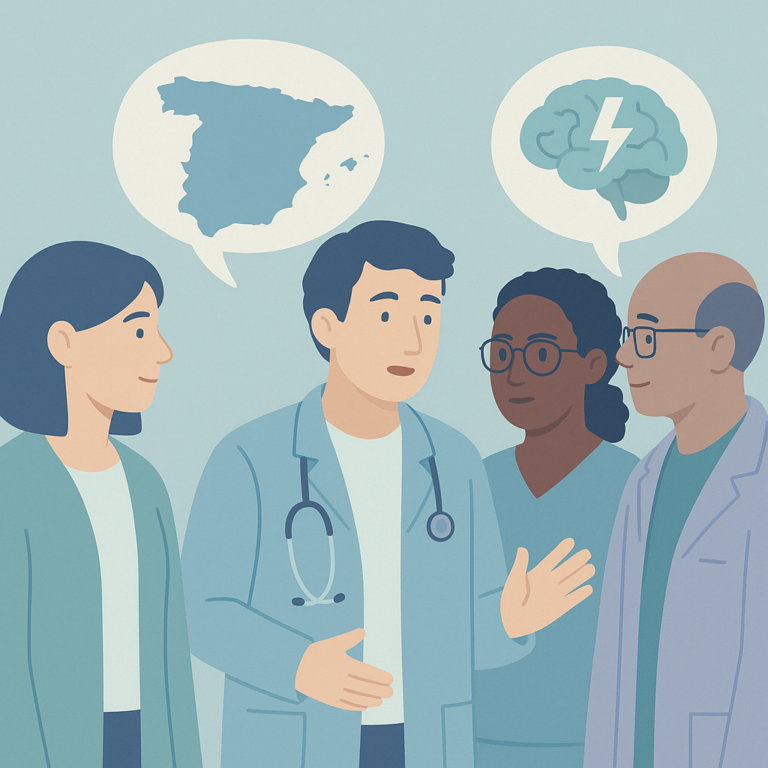
This study looked at how epilepsy professionals in Spain talk about Sudden Unexpected Death in Epilepsy (SUDEP), which is a serious risk for people with epilepsy.
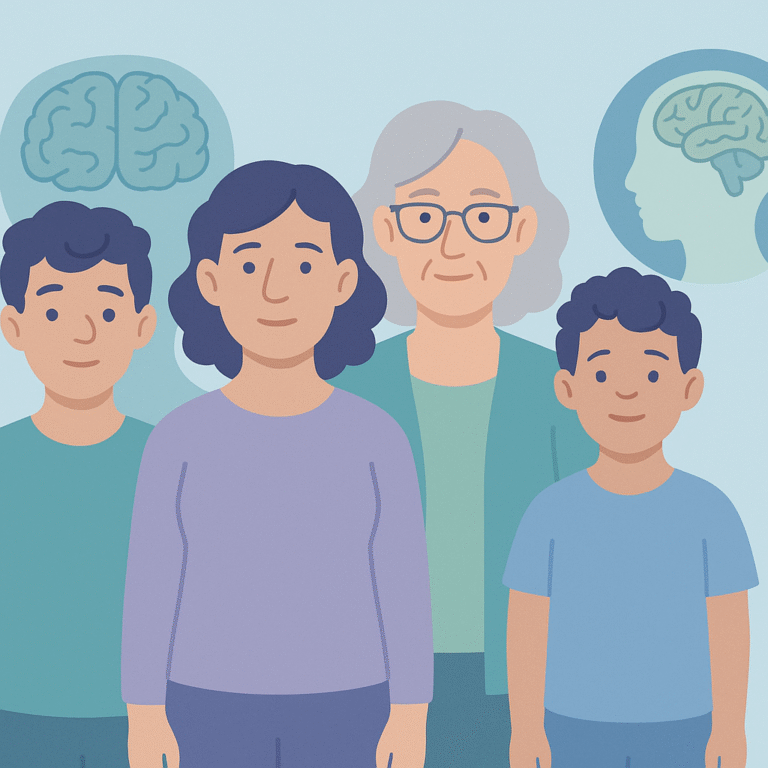
Researchers studied the prevalence of brain-related disorders in people with Noonan syndrome (NS), a genetic condition that can affect growth, heart health, and brain development.
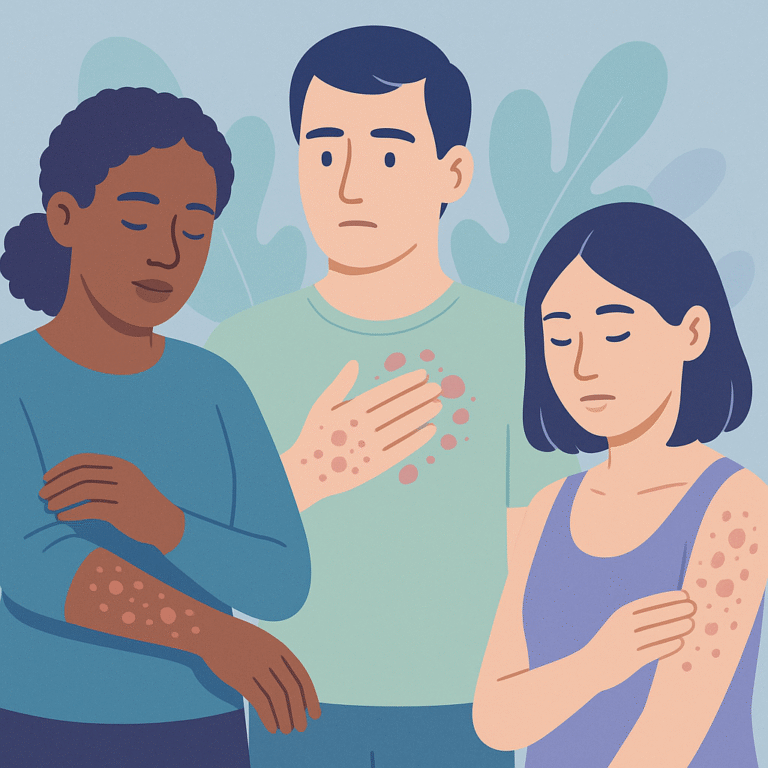
This study focused on a specific skin reaction caused by a medication called zonisamide (ZNS), which is used to treat epilepsy.