Antiseizure Medications Affect Children’s Autonomic Nervous System
Researchers studied how antiseizure medications (ASMs) affect the autonomic nervous system (ANS) in children with epilepsy.
This hub covers epilepsy devices and neuromodulation like VNS, RNS, and DBS, which are treatments that can reduce seizures when meds aren’t enough. Plain-language research summaries plus real-life pros/cons.
Some are used more often in adults, but pediatric use depends on the device, the case, and specialist guidance.
Often gradually. Improvement can build over months as settings are optimized.
Sometimes medication can be reduced, but many people still use meds alongside a device.
Sometimes yes, with device-specific rules. Always check the exact device guidelines first.
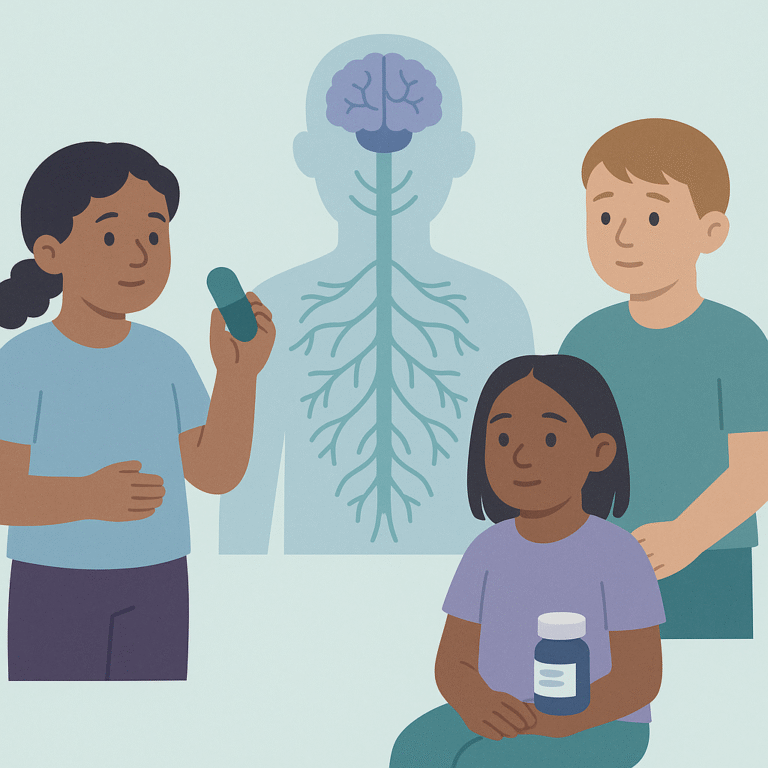
Researchers studied how antiseizure medications (ASMs) affect the autonomic nervous system (ANS) in children with epilepsy.

This study looked at how well different people agree on measuring seizure frequency in children with epilepsy who are treated with vagus nerve stimulation (VNS).
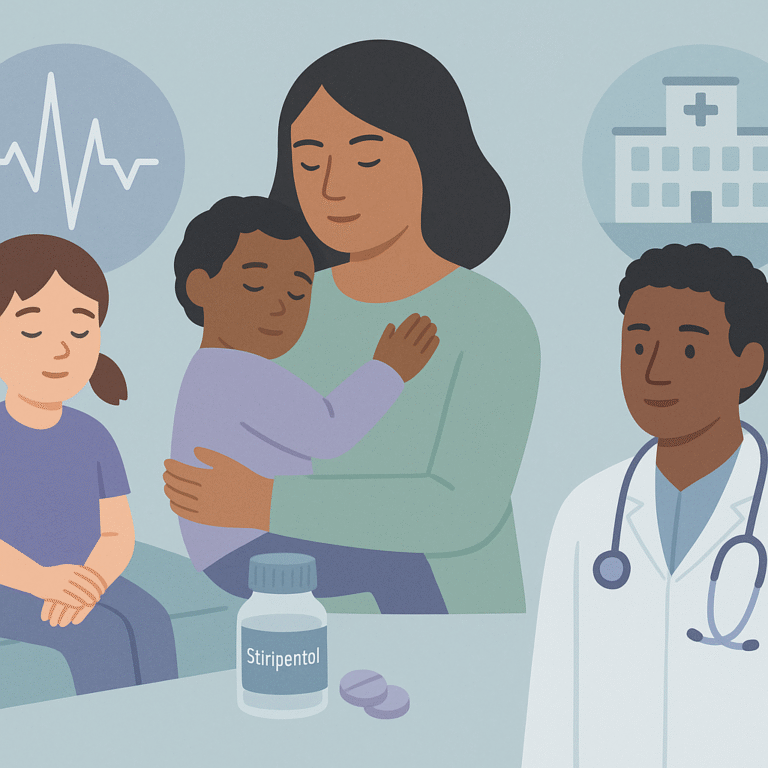
The STIRUS study looked at how effective stiripentol, a medication approved for Dravet syndrome (DS), is for patients in the United States.
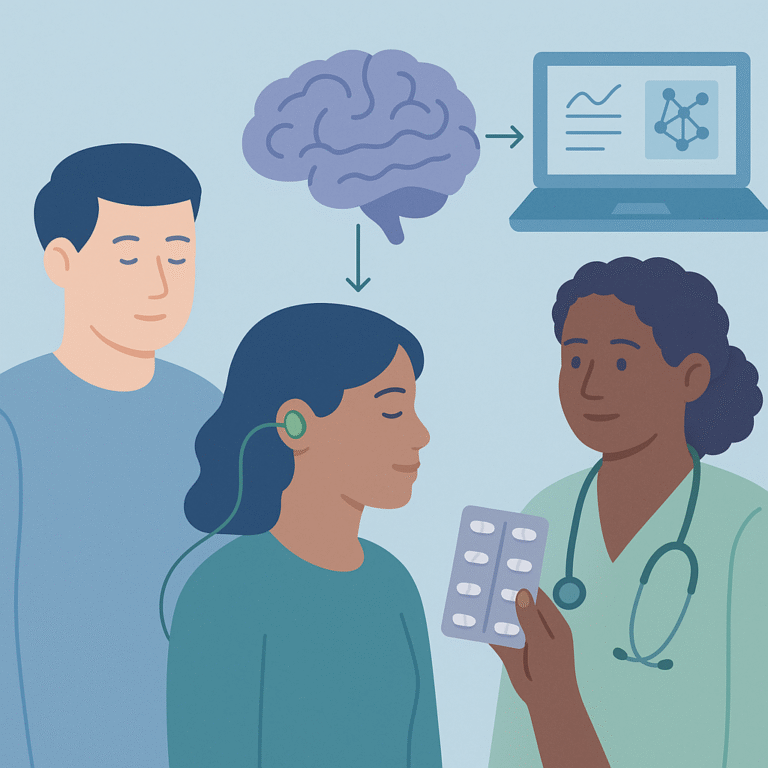
This study looked at how machine learning can help predict which patients with drug-resistant epilepsy might respond well to neuromodulation therapies, like vagus nerve stimulation (VNS).
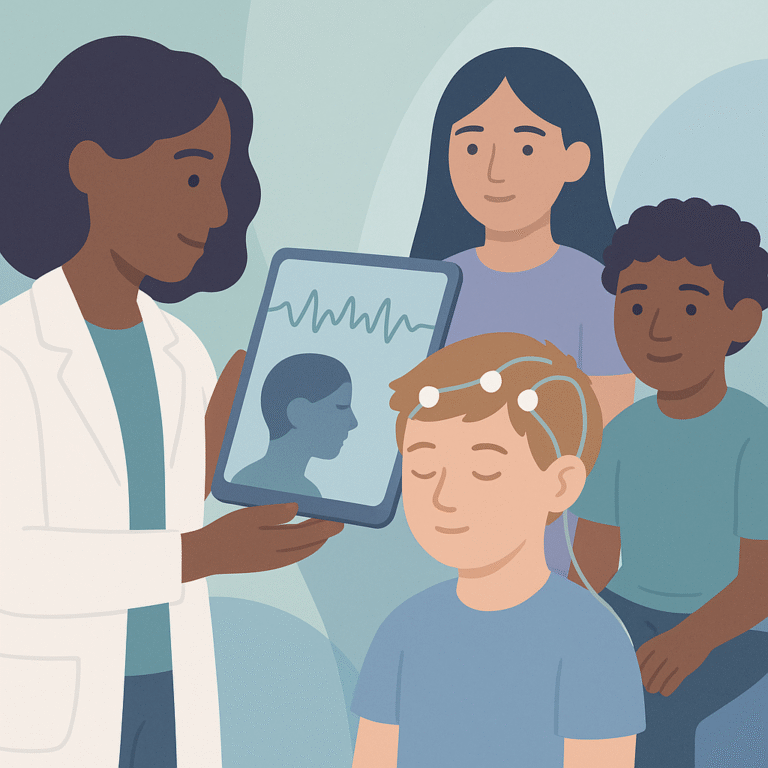
This study looked at how well a new questionnaire-based tool can help classify seizure types in children with epilepsy.
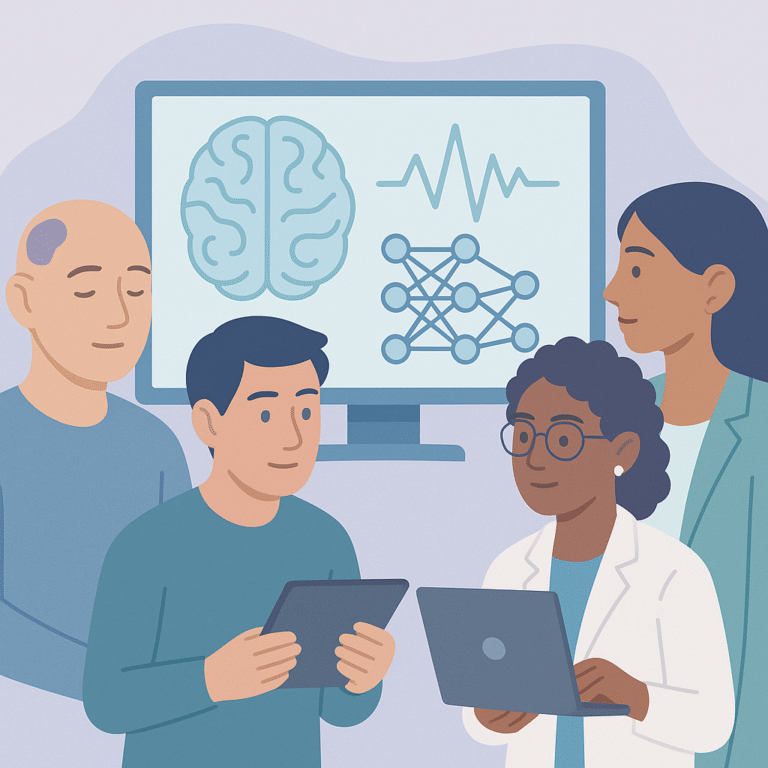
Researchers studied how well machine learning (ML) models can predict seizures in patients with glioma-associated epilepsy (GAE), a common issue for people with gliomas, which are a type of brain tumor.

Researchers studied the use of continuous EEG (cEEG) in intensive care units (ICUs) to see how it helps with diagnosing and treating patients, especially those with epilepsy or brain injuries.
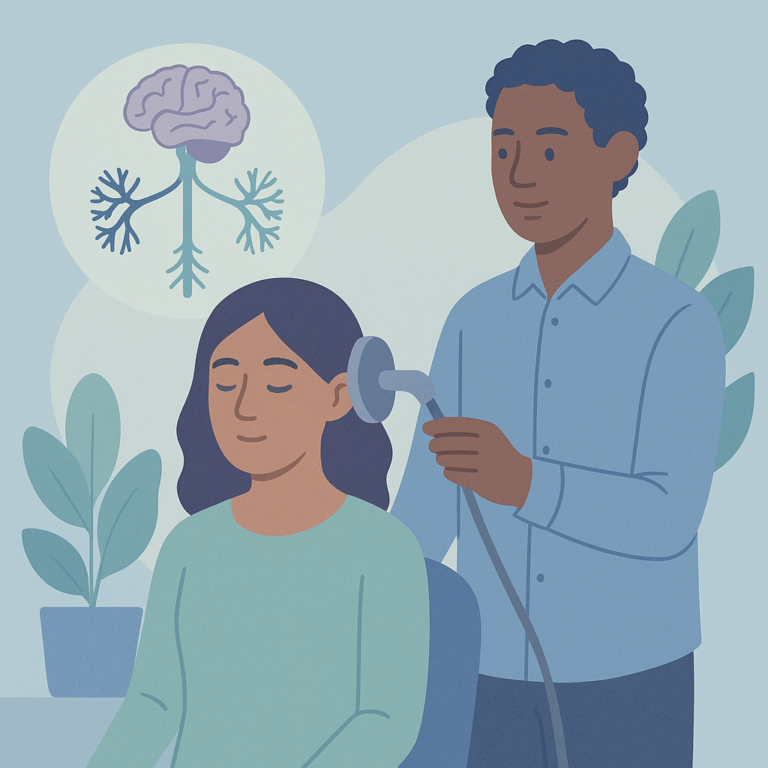
This study looked at a new way to stimulate nerves without touching the skin, using sound waves.

Researchers studied how to improve healthcare practices in India by implementing Standard Treatment Guidelines (STGs) through a series of webinars.